The 2026 Guide to Vintage Kimono Auctions & Appraisal
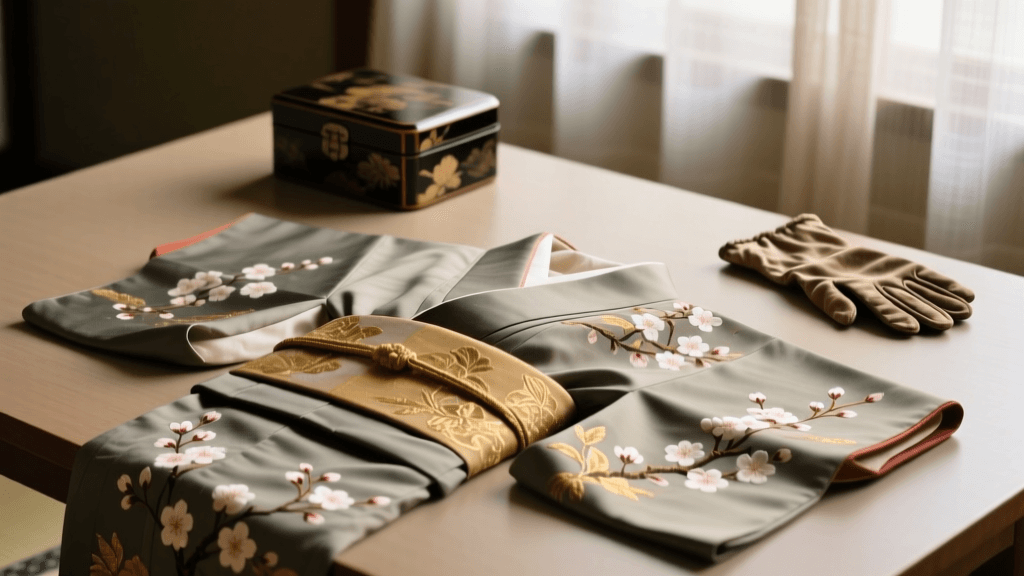
The Resurgence of the Vintage Kimono Market in 2026
The global appetite for sustainable, historically rich fashion has propelled the vintage kimono market into an unprecedented golden era in 2026. As collectors, fashion archivists, and interior designers increasingly seek out authentic Japanese textiles, the secondary market has evolved from niche domestic trading into a highly competitive international arena. Navigating this landscape requires more than just a discerning eye; it demands a rigorous understanding of textile appraisal, historical context, and the mechanics of modern Japanese auction houses.
For international buyers, the economic climate of early 2026 continues to present a unique window of opportunity. Favorable exchange rates and the modernization of Japanese proxy bidding platforms have democratized access to garments that were once locked away in Kyoto storehouses or restricted to elite domestic dealers. However, as demand surges, so does the proliferation of mislabeled garments and synthetic replicas. Mastering the art of kimono value appraisal is no longer optional for serious collectors—it is essential.
Navigating the 2026 Auction Landscape
The ecosystem of kimono auctions in 2026 is broadly divided into two tiers: mass-market online platforms and elite specialized auction houses. Understanding where to look depends entirely on your budget and your appraisal expertise.
Online Marketplaces and Proxy Services
Yahoo! Auctions Japan remains the undisputed titan of the mid-tier and entry-level vintage market. In 2026, international buyers rely heavily on advanced proxy services like Buyee and ZenMarket, which have integrated AI-powered translation tools and automated condition-report summaries. While these platforms offer access to millions of listings, they operate on a caveat emptor (buyer beware) basis. Sellers on these platforms are often non-experts clearing out estate inheritances, meaning hidden flaws or misidentified silk types are common.
Elite Auction Houses
For museum-quality antiques, Meiji-era masterpieces, and verified Nishijin-ori textiles, elite auction houses such as Tokyo Chuo Auction and Mainichi Auctions are the gold standard. These houses employ in-house textile historians who authenticate garments, provide detailed condition reports, and verify provenance. Bidding in these 2026 catalogs requires pre-registration and often a substantial deposit, but the guarantee of authenticity justifies the premium.
Core Pillars of Kimono Value Appraisal
Appraising a vintage kimono is a multifaceted process that evaluates material, technique, formality, and historical era. According to the Association for the Promotion of Traditional Craft Industries, Japan recognizes dozens of designated traditional textile crafts, each with distinct valuation metrics.
1. Material and Weaving Techniques
The foundation of any kimono appraisal is the fabric. Genuine silk (hon-shoken) is a baseline requirement for high-value antiques. Within the realm of silk, specific regional techniques command massive premiums:
- Nishijin-ori: Originating from Kyoto, this intricate brocade weaving technique uses pre-dyed threads to create complex, tapestry-like patterns. Heavy, luxurious, and highly durable, authentic Nishijin-ori obi and kimono are highly prized.
- Yuzen Dyeing: Hand-painted or stencil-dyed silk featuring pictorial motifs. Kyo-Yuzen (Kyoto) and Kaga-Yuzen (Kanazawa) are the most valuable, characterized by their rich color palettes and meticulous detailing.
- Tsumugi: A slubbed, rustic silk woven from pre-dyed yarns. While historically considered informal wear, antique Oshima Tsumugi and Yuki Tsumugi are highly sought after in 2026 for their understated elegance and exceptional durability.
2. Formality and the Kamon (Family Crests)
The formality of a kimono directly impacts its auction value, particularly for ceremonial garments. Formality is often indicated by the presence and number of kamon (family crests) dyed into the fabric:
- Itsutsu-mon (5 Crests): The highest level of formality. Found on kurotomesode (black formal wear for married women) and montsuki hakama. These are highly valued if the crests are meticulously hand-dyed rather than stamped.
- Mittsu-mon (3 Crests) & Hitotsu-mon (1 Crest): Semi-formal garments like houmongi (visiting wear) or tsukesage. These are incredibly popular in the 2026 export market due to their versatility in modern styling.
- No Crests: Typically informal wear (komon or tsumugi). While generally less expensive, rare Taisho-era meisen komon with avant-garde geometric patterns can fetch astronomical prices from vintage fashion collectors.
3. Provenance and Era
The historical era of a garment dictates its aesthetic and its market desirability. The Taisho era (1912–1926) is currently the most fiercely contested period in 2026 auctions. Taisho-era garments, often referred to as Taisho Roman, feature bold, art-nouveau-inspired motifs, vibrant chemical dyes, and a romantic, modernist sensibility that resonates deeply with contemporary global fashion trends.
2026 Kimono Auction Valuation Matrix
The following table provides an estimated valuation guide for the 2026 auction season. Prices are in USD and reflect garments in 'Excellent to Mint' condition, sold through reputable international proxy or specialized auction houses.
| Kimono Type | Era / Style | Material & Technique | Condition | Est. 2026 Auction Value (USD) |
|---|---|---|---|---|
| Kurotomesode | Show (Mid-20th C) | Heavy Silk, Yuzen, 5 Crests | Mint | $800 - $1,500 |
| Furisode | Taisho Roman | Silk, Hand-Painted Yuzen | Excellent | $2,500 - $5,000+ |
| Houmongi | Heisei (Late 20th C) | Chirimen Silk, Gold Leaf | Mint | $400 - $900 |
| Meisen Komon | Taisho / Early Showa | Ikat-dyed Silk, Geometric | Good (Minor flaws) | $600 - $1,200 |
| Maru Obi | Meiji / Taisho | Nishijin-ori, Gold Thread | Excellent | $1,000 - $3,000 |
| Oshima Tsumugi | Mid-Showa | Slubbed Silk, Mud-Dyed | Mint | $1,200 - $2,500 |
Assessing Condition: The Devil is in the Details
In the secondary market, condition is the ultimate arbiter of value. A masterwork of Yuzen dyeing can be rendered nearly worthless if it suffers from severe structural degradation. When reviewing auction photos or requesting condition reports in 2026, focus on these critical areas:
- The Hakkake (Lower Lining): The silk lining at the hem and sleeve interiors is highly susceptible to wear and tear. Yellowing, fraying, or water stains on the hakkake are common and will lower the value by 30% to 50%.
- Odors: Vintage kimonos are often stored in traditional paulownia wood chests with camphor or mothballs. While the scent of camphor (shounou) is expected and can be aired out, the smell of active mold or deep-set mildew is a red flag indicating irreversible fiber damage.
- Color Fading and Oxidation: Black silk dyes from the mid-Showa era are notorious for oxidizing and turning a rusty brown. Always request high-resolution photos of the black fabric under natural daylight.
- Seam Integrity: Check the shoulder seams and the back center seam. Because kimonos are constructed from straight bolts of fabric (tanmono), they can be entirely deconstructed and re-sewn. However, if the fabric itself is shattering along the fold lines, the garment is beyond repair.
Strategic Bidding for International Collectors
Winning a vintage kimono auction in 2026 requires tactical precision. Japanese online auctions operate on a strict proxy-bidding system, but the culture of 'sniping' (bidding in the final seconds) is prevalent. To secure highly coveted Taisho-era pieces or rare Nishijin obi, utilize automated sniping tools provided by your proxy service to place your maximum bid exactly three seconds before the auction closes. This prevents emotional bidding wars and keeps the final hammer price closer to the market baseline.
Furthermore, understanding Japanese auction terminology is vital to avoiding costly mistakes. Familiarize yourself with these common listing terms:
- Junk (Janru): Literally translates to 'junk.' In the kimono market, this does not always mean the item is destroyed; it simply means the seller is a non-expert and refuses to guarantee the condition, authenticity, or material. These listings are goldmines for expert appraisers but dangerous traps for novices.
- Shibori: Tie-dye. Genuine hand-tied kanoko shibori is incredibly labor-intensive and valuable. Look for the three-dimensional texture of the tiny tied knots; if the pattern is perfectly flat, it is likely a modern printed imitation.
- Kinsai / Ginsai: Gold and silver leaf application. Over time, silver leaf (ginsai) oxidizes and turns black. While some collectors appreciate this patina as a mark of age, it generally reduces the auction value compared to pristine gold leaf (kinsai).
Conclusion: The Future of Kimono Collecting
As we move through 2026, the vintage kimono market represents a fascinating intersection of cultural preservation and global sustainable fashion. Whether you are sourcing a museum-quality Meiji-era uchikake or hunting for a wearable Taisho-era meisen on Yahoo! Auctions, the key to success lies in meticulous appraisal and strategic bidding. For those inspired to trace the origins of these magnificent garments, planning a sourcing trip to the textile districts of Kyoto or Kanazawa remains an unparalleled experience. The Japan National Tourism Organization offers excellent resources for travelers looking to explore the living heritage of Japanese craftsmanship firsthand. By respecting the history woven into every thread, collectors ensure that the legacy of the kimono continues to thrive on the global stage.