The Ultimate Hanfu Fabric Guide: Linen, Brocade & Gauze
Introduction to Hanfu Textiles and Material Culture
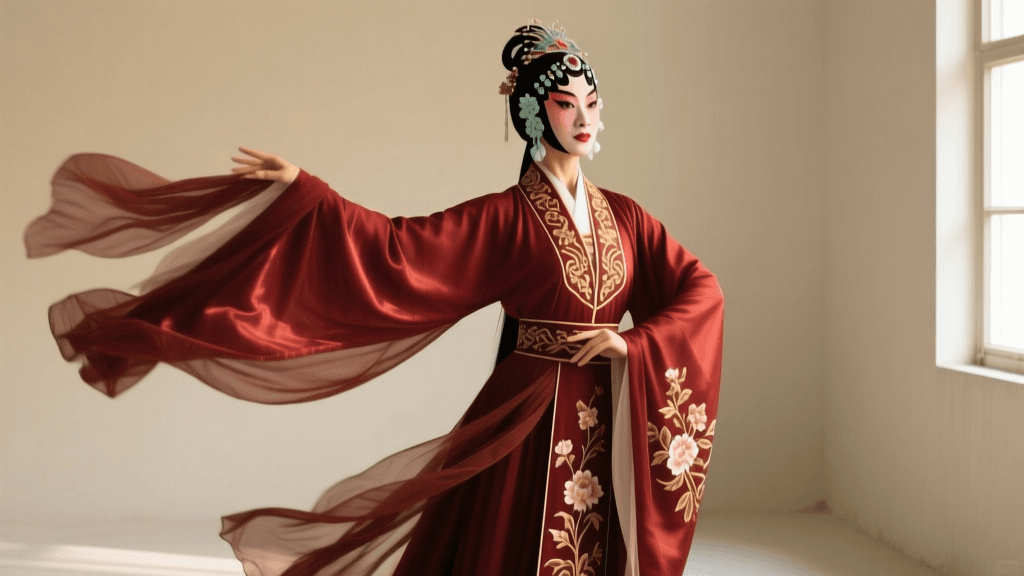
The revival of traditional Chinese clothing, known as the Hanfu movement, has sparked a global renaissance in historical fashion. However, achieving an authentic silhouette requires more than just the correct pattern cutting; it demands a deep understanding of traditional textiles. The drape, weight, and movement of a garment are entirely dictated by its fabric. From the breathable foundations of ancient scholars to the opulent outerwear of imperial courts, the material choices in Hanfu are steeped in thousands of years of sericulture and weaving innovation. According to the Metropolitan Museum of Art, Chinese silk and textile production not only defined domestic fashion but also shaped global trade routes and cross-cultural exchanges for millennia.
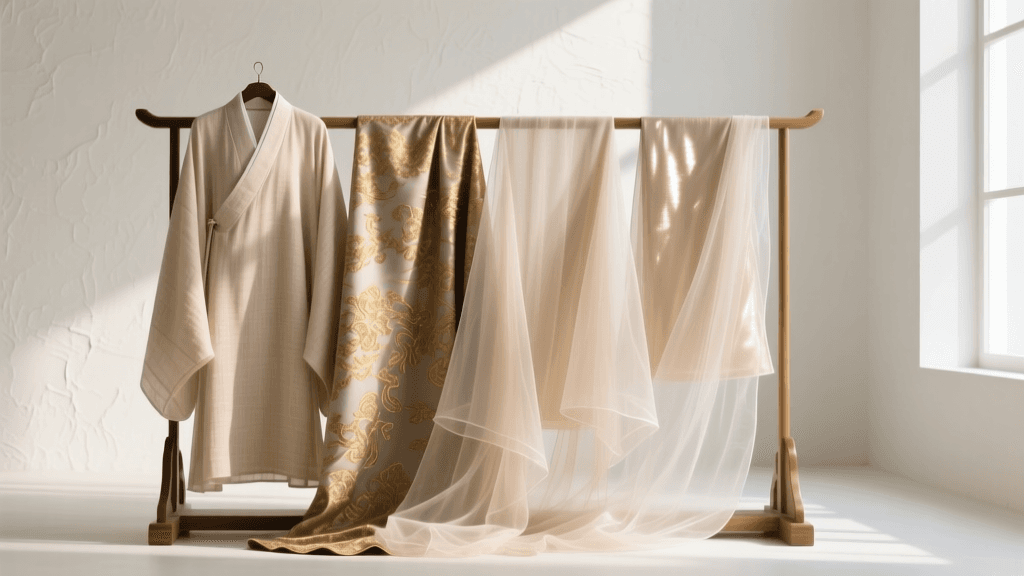
For modern Hanfu enthusiasts, navigating the myriad of fabric options can be overwhelming. This comprehensive guide breaks down four foundational materials used in Hanfu construction—linen, brocade, gauze, and organza—providing actionable advice on historical accuracy, seasonal wearability, and modern purchasing.
Linen and Ramie: The Breathable Foundations
Before silk became widely accessible, plant-based fibers were the cornerstone of Chinese clothing. When discussing 'linen' in the context of historical Chinese garments, we are most often referring to Ramie (Boehmeria nivea), known historically as zhu, or hemp. True European flax linen was not native to ancient China, but modern Hanfu makers frequently use high-quality flax linen as an accessible, comfortable substitute for historical ramie and hemp textiles.
Historical Context and Usage
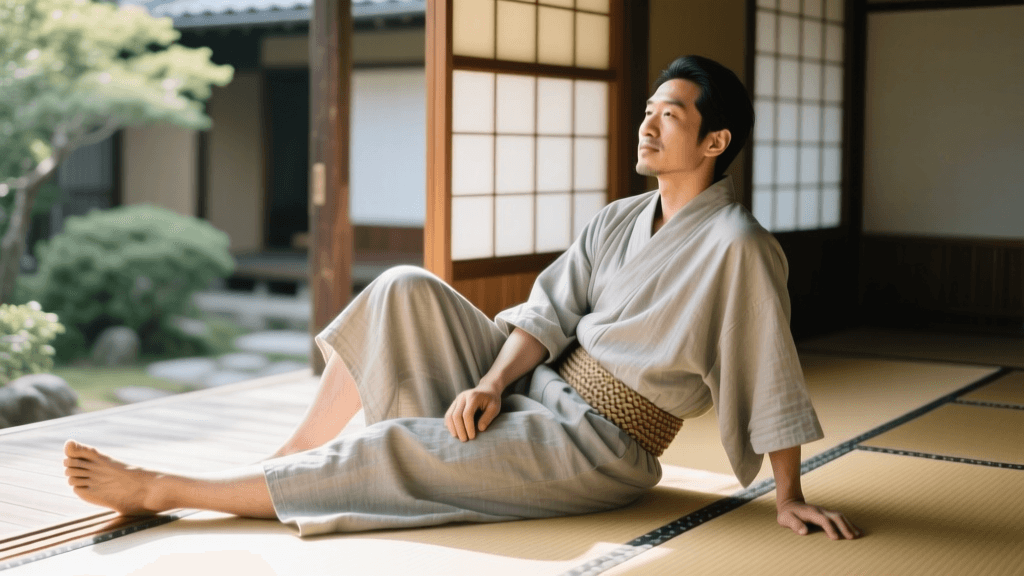
Ramie and hemp were the primary fabrics for the working class, scholars in mourning, and Daoist ascetics. The fabric is characterized by its crisp texture, natural slubs, and exceptional breathability. In the Song Dynasty, scholars prized finely woven, unbleached ramie for its understated elegance and cooling properties during humid summers.
Practical Buying and Styling Advice
- Best Garments: Inner garments (Zhongyi), summer Ruqun (blouse and skirt sets), and scholar-style Beizi (open-front jackets).
- What to Look For: Seek out linen-cotton or ramie-cotton blends (typically 55% linen, 45% cotton). Pure linen wrinkles aggressively and can be stiff, whereas a blend offers a softer drape while maintaining the historical matte texture.
- Cost Estimate: $12 to $25 per yard for quality apparel-grade linen.
- Styling Tip: Because linen lacks the fluid drape of silk, it is best used for structured, A-line skirts or wide-sleeved scholarly robes where a crisp, architectural silhouette is desired.
Brocade (Zhijin): The Fabric of Royalty and Ceremony
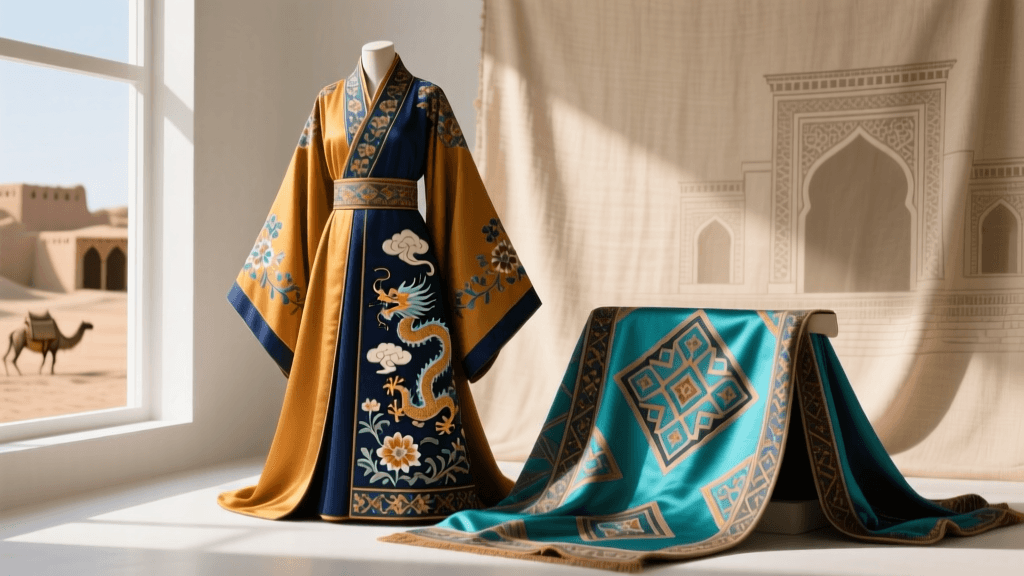
Brocade, or Zhijin, represents the pinnacle of traditional Chinese weaving technology. It is a richly decorative shuttle-woven fabric, often made with colored silks and sometimes supplemented with metallic threads (gold or silver). The UNESCO Intangible Cultural Heritage list recognizes Chinese sericulture and silk craftsmanship, highlighting the complex jacquard techniques required to produce these magnificent textiles.
Weaving Techniques and Historical Eras
Song Dynasty brocades (Song Jin) are renowned for their subdued, elegant color palettes and intricate geometric or floral motifs, making them highly prized in the modern Hanfu community. Ming Dynasty brocades, conversely, often feature larger, bolder motifs and heavier gold-wrapped threads, reflecting the opulent aesthetic of the era.
Practical Buying and Styling Advice
- Best Garments: Mamianqun (horse-face skirts), formal winter Ao (jackets), and ceremonial Piling (cloud shoulders).
- What to Look For: Authentic silk brocade is heavy and has a distinct 'wrong' side that is matte and slightly rough. Beware of cheap polyester 'brocades' that are overly shiny and lack the dense, structural weight of true Zhijin. If on a budget, look for high-density jacquard cotton-blends which mimic the weight and drape of silk brocade without the exorbitant price tag.
- Cost Estimate: $45 to $150+ per yard for genuine silk Zhijin.
- Styling Tip: Because brocade is visually loud and physically heavy, balance it with solid-colored, matte silk tops. A heavily patterned Ming-style Mamianqun pairs perfectly with a plain, pastel silk Ao.
Gauze (Luo and Sha): The Ethereal Summer Layers
When one envisions the flowing, translucent layers of Tang and Song Dynasty paintings, they are looking at silk gauze. Known as Luo (complex leno weave) or Sha (plain gauze weave), these fabrics are characterized by their open, mesh-like structures that allow air to circulate while maintaining a veil-like modesty.
The Marvel of Ancient Gauze
The most famous example of ancient gauze is the plain gauze gown unearthed from the Mawangdui Tomb No. 1 (Han Dynasty), which measures over 1.2 meters in length but weighs a mere 49 grams. According to Encyclopaedia Britannica, the mastery of silk thread reeling allowed Chinese artisans to create these impossibly light textiles, which were used for summer layering and ceremonial overlays.
Practical Buying and Styling Advice
- Best Garments: Outer layer Daxiushan (large-sleeved robes), summer Beizi, and translucent Pibo (stoles).
- What to Look For: True silk Luo is expensive and fragile. For daily wear, modern Hanfu makers often use 'organza-silk blends' or high-grade synthetic chiffon that mimics the matte, slightly textured feel of Sha. Avoid shiny, slippery chiffons; authentic gauze has a slight 'tooth' or crispness to it.
- Cost Estimate: $20 to $60 per yard depending on the complexity of the leno weave.
- Styling Tip: Gauze is designed for layering. Wear a solid-colored, long-sleeved inner garment and layer a wide-sleeved, floor-length gauze robe over it. The contrast between the opaque base and the translucent overlay creates the iconic 'fairy-like' aesthetic of Tang Dynasty fashion.
Organza: Modern Structure and Affordability
While not a historical fabric in its modern synthetic form, organza has become an indispensable material in the contemporary Hanfu wardrobe. Historically, stiff, sheer silks like Juan were used to create structure. Today, silk or polyester organza serves as an affordable, durable substitute for these historical stiff silks.
Practical Buying and Styling Advice
- Best Garments: Standing collars (Liling), structural sleeve cuffs, and stiff summer skirts.
- What to Look For: Opt for matte-finish organza. Standard craft organza is highly reflective and will immediately make a Hanfu outfit look like a costume. 'Silk organza' or 'matte polyester organza' drapes beautifully and holds pleats exceptionally well.
- Cost Estimate: $8 to $25 per yard.
- Styling Tip: Use organza for garments that require sharp, enduring pleats, such as the side pleats of a Ming Dynasty skirt, or for creating the stiff, elegant standing collars seen in late Ming and early Qing transitional fashion.
Hanfu Fabric Comparison Chart
| Fabric Type | Best Season | Historical Era Prominence | Drape Quality | Avg. Cost (Per Yard) |
|---|---|---|---|---|
| Ramie / Linen | Summer / Spring | Pre-Qin to Ming | Crisp, Structured | $12 - $25 |
| Silk Brocade | Winter / Autumn | Song, Ming | Heavy, Stiff | $45 - $150+ |
| Silk Gauze (Luo/Sha) | Summer | Han, Tang, Song | Fluid, Ethereal | $20 - $60 |
| Matte Organza | Summer / All-Season | Modern Substitute | Stiff, Voluminous | $8 - $25 |
Fabric Care and Maintenance Guide
Investing in high-quality Hanfu fabrics requires proper maintenance to preserve the fibers and natural dyes.
- Washing: Never machine wash silk brocade or genuine gauze. Hand wash in cold water using a pH-neutral detergent specifically formulated for delicates or silk. Linen can be gently machine washed on a delicate cycle, but expect some shrinkage.
- Drying: Never wring out silk. Roll the garment in a clean, dry towel to press out excess water, then lay it flat on a drying rack away from direct sunlight, which can fade natural dyes and weaken silk proteins.
- Ironing: Use a low-heat steam iron. Always place a cotton pressing cloth between the iron and the fabric, especially when dealing with metallic threads in brocade or the delicate weave of gauze.
- Storage: Store heavy brocade skirts flat or rolled to prevent permanent creasing at the pleat lines. Hang lightweight gauze and linen robes on padded wooden hangers to maintain the shoulder structure.
Conclusion
Understanding the nuances of Hanfu fabrics elevates the experience from mere costuming to a genuine appreciation of traditional Chinese material culture. Whether you are selecting the crisp breathability of linen for a summer scholarly look, the opulent weight of Song brocade for a winter festival, or the ethereal drape of silk gauze for a Tang Dynasty photoshoot, your fabric choice is the foundation of your historical silhouette. By investing in the right materials and caring for them properly, you ensure that your Hanfu wardrobe remains a beautiful, lasting tribute to Asian textile heritage.