Hanfu For Extreme Climates: Tropical, Desert & Cold Tips 2026
The Global Expansion of Hanfu in 2026
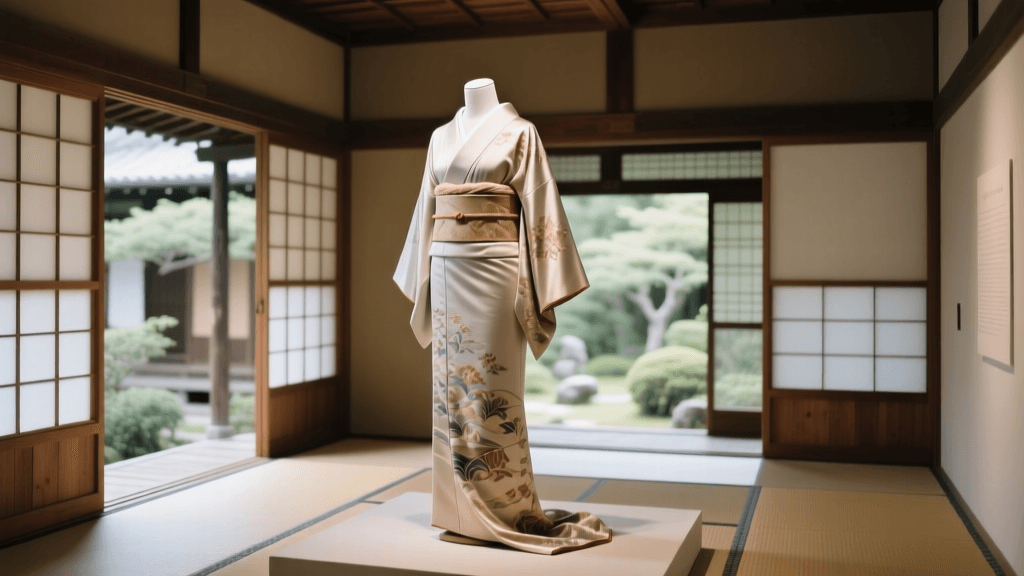
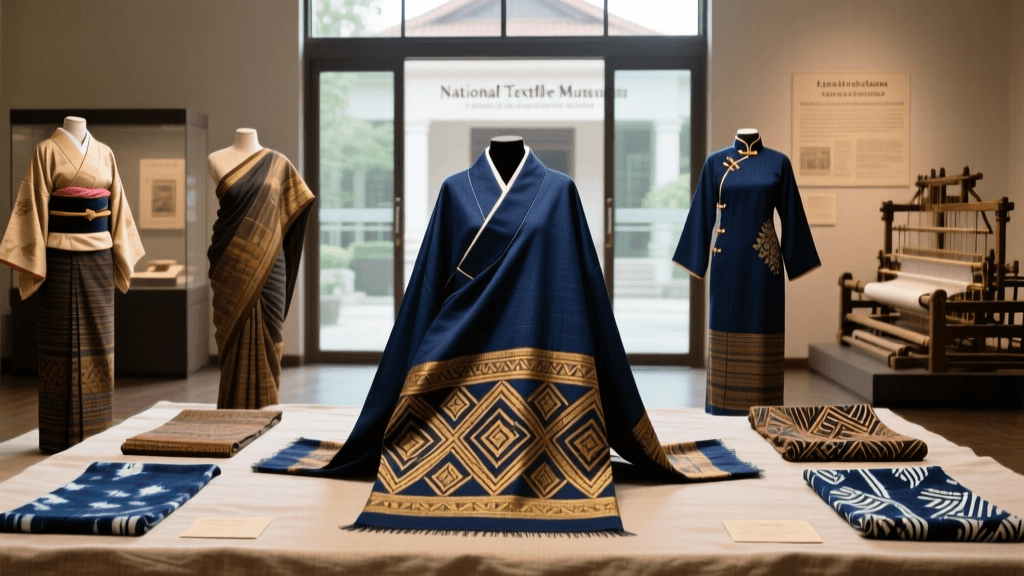
The Hanfu movement has transcended its East Asian origins, becoming a global sartorial phenomenon by 2026. Enthusiasts from the humid coasts of Southeast Asia to the arid deserts of the Middle East, and from the freezing alpine regions of Northern Europe to the American Southwest, are embracing traditional Chinese garments. However, wearing historical silhouettes in extreme climates requires a deep understanding of textile science, historical layering techniques, and modern 2026 fabric innovations. Traditional Chinese clothing was originally designed for the temperate, four-season climate of the Yellow and Yangtze River basins. To wear these garments comfortably and safely in extreme environments today, one must look to both ancient regional adaptations and cutting-edge 2026 textile technology.
According to the Metropolitan Museum of Art, the evolution of Chinese dress has always been deeply intertwined with geography, trade, and the availability of regional fibers. Today, the global Hanfu community leverages this historical flexibility, combining authentic silhouettes with climate-responsive materials. This comprehensive guide explores how to adapt, source, and style Hanfu for tropical, desert, and extreme cold environments in 2026.
Tropical and Humid Climates: Breathability and Flow
In high-heat, high-humidity zones like Singapore, Florida, or coastal Brazil, the primary enemy of traditional clothing is trapped moisture. Heavy brocades and synthetic linings can quickly lead to heat exhaustion. Historically, ancient Chinese elites residing in the southern Lingnan region relied on specialized, ultra-breathable textiles to survive the sweltering monsoon seasons.
The Magic of Xiangyunsha (Gambiered Canton Gauze)
The undisputed champion of tropical Hanfu is Xiangyunsha, or Gambiered Canton Gauze. This legendary fabric is created by dyeing silk with the tannin-rich juice of the Shuliang yam and then coating it with iron-rich mud from the Pearl River delta. The result is a lightweight, water-resistant, and incredibly breathable fabric that feels cool to the touch and dries almost instantly. In 2026, sustainable dyeing cooperatives in Guangdong have scaled production, making authentic Xiangyunsha more accessible globally, with premium garments ranging from $150 to $350 USD. The traditional techniques of silk production and dyeing, recognized by UNESCO for their cultural significance, ensure that this fabric remains a pinnacle of eco-friendly, climate-adaptive fashion.
Tropical Silhouettes: Qixiong Ruqun and Sheer Beizi
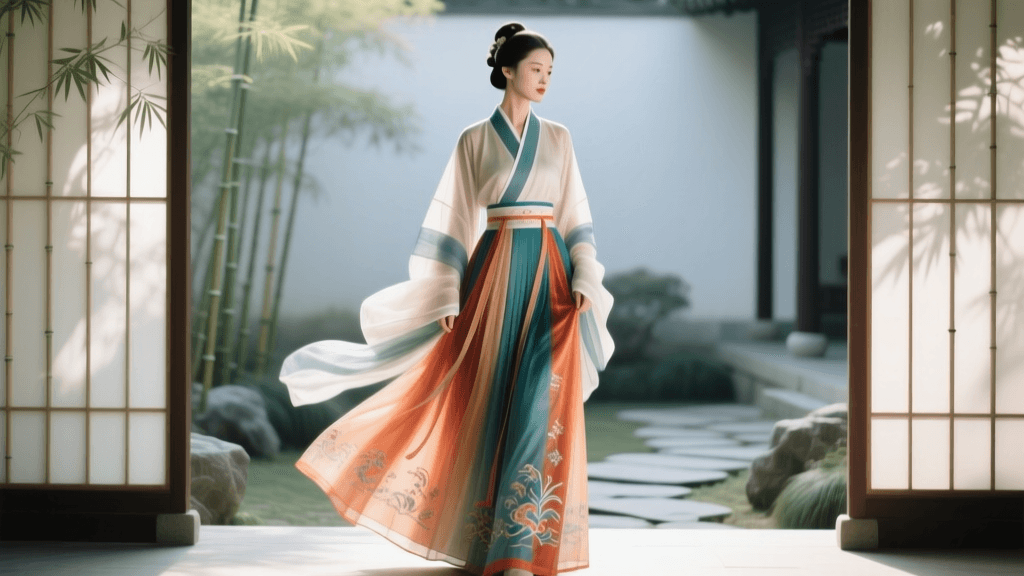
For women, the Qixiong Ruqun (chest-high skirt) paired with a short, open-front Beizi (jacket) is ideal. The chest-high tie allows for maximum airflow around the legs, while a sheer, raw-silk Beizi provides UV protection for the shoulders without trapping heat. For men, the Yese (cross-collar) short tunic paired with lightweight, wide-legged Ku (trousers) made from 2026 bamboo-silk blends offers exceptional ventilation. Modern brands have introduced moisture-wicking bamboo-silk weaves that mimic the drape of historical hemp but perform like modern athletic wear.
Desert and Arid Climates: UV Protection and Diurnal Shifts
Desert environments present a dual challenge: scorching daytime UV radiation and plunging nighttime temperatures, alongside abrasive, wind-blown sand. Wearing Hanfu in places like Dubai, the American Southwest, or the Australian Outback requires a strategic approach to coverage, layering, and fabric density.
Daytime Defense: Tussah Silk and the Weimao
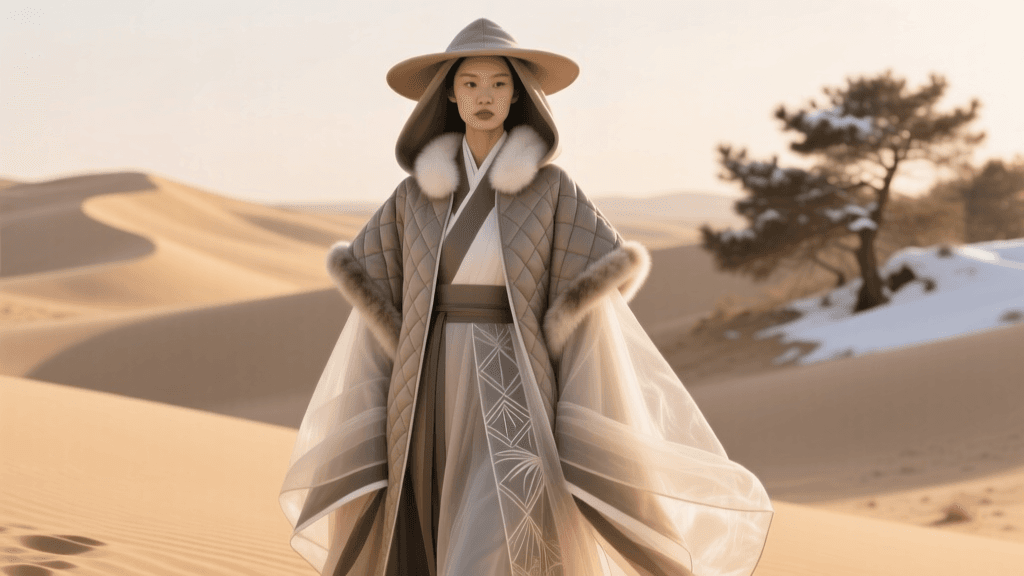
During the day, the goal is to block UV rays while allowing sweat to evaporate. Tussah silk (wild silk) is highly recommended for desert wear. Unlike cultivated mulberry silk, Tussah silk has a slightly thicker, more textured fiber that provides natural UV resistance and a beautiful, earthy drape that hides desert dust well. To protect the face and neck from the harsh sun, modern Hanfu enthusiasts have revived the Weimao (veil hat). Originally popular during the Tang Dynasty for aristocratic women traveling on horseback, the 2026 iteration of the Weimao features wide-brimmed woven straw or lightweight rattan, draped with UPF 50+ silk organza veils that shield the skin while allowing clear visibility.
Nighttime Insulation: The Banbi and Layering
As the sun sets, desert temperatures can drop by 20 degrees or more. The Banbi (half-sleeve jacket) is a crucial layering piece. Worn over a long-sleeved inner shirt (Zhongyi), a quilted or wool-blend Banbi traps core body heat while leaving the forearms free for movement. Pairing this with a Mamianqun (horse-face skirt) made from tightly woven cotton or a wool-silk blend ensures the legs remain protected from the biting night wind.
Cold and Alpine Regions: Insulation and Layering
Sub-zero temperatures and alpine winds demand serious insulation. The historical Ming dynasty winter wardrobe offers a masterclass in layering, utilizing structural volume to trap warm air. In 2026, combining these historical structures with modern thermal undergarments creates a highly effective, stylish defense against the cold.
The Mamianqun and Thermal Integration
The Mamianqun is exceptionally well-suited for cold climates due to its voluminous, pleated structure. The flat front and back panels, combined with deep side pleats, allow the wearer to conceal thick, fleece-lined thermal leggings or even modern heated pants underneath without disrupting the elegant exterior silhouette. For the upper body, the Aoqun (jacket and skirt) set, specifically the Pipa-sleeved Ao (jacket), provides excellent coverage. The curved, narrow cuffs of the Pipa sleeve prevent cold drafts from entering the arms, a design feature noted in Britannica's overview of Chinese dress as a hallmark of northern Chinese winter fashion.
Outerwear: Pifeng and Dahu
For outerwear, the Pifeng (cloak or cape) is essential. In 2026, high-end Hanfu tailors offer Pifeng crafted from heavy wool-cashmere blends, lined with ethically sourced shearling or advanced synthetic thermal faux-fur (Biling). The cloak drapes over the shoulders and fastens at the collar, creating a tent-like microclimate that retains body heat. For active movement in the snow, the Dahu (a sleeveless or short-sleeved vest with side slits) worn over a thick, quilted jacket provides core warmth while freeing the arms for activities like ice skating or winter photography.
2026 Hanfu Climate Adaptation Guide
To summarize the best practices for wearing traditional Chinese garments across different extreme environments, refer to the adaptation matrix below:
| Climate Zone | Primary Challenge | Recommended Hanfu Style | Ideal 2026 Fabric & Tech |
|---|---|---|---|
| Tropical / Humid | High Heat, Trapped Moisture | Qixiong Ruqun, Sheer Beizi, Short Yese | Xiangyunsha, Raw Silk, Bamboo-Silk Blends |
| Desert / Arid | UV Radiation, Sand, Temp Drops | Weimao (Veil Hat), Banbi, Long Zhongyi | Tussah Silk, Tightly Woven Linen, UPF Organza |
| Cold / Alpine | Sub-Zero Temps, Wind Chill | Pipa-sleeve Aoqun, Pifeng (Cape), Dahu | Wool-Cashmere, Heavy Brocade, Faux-Fur Biling |
| Wet / Monsoon | Heavy Rain, Mud Splatter | Short Skirts, High-Hem Ruqun, Xuezi (Boots) | Water-Repellent Treated Hemp, Waxed Cotton |
Sourcing and Garment Care for Extreme Weather
Acquiring climate-specific Hanfu in 2026 is easier than ever, thanks to global shipping networks and specialized overseas boutiques. When ordering from major platforms or direct-from-artisan sites, always check the fabric composition tags. Avoid polyester blends for tropical climates, as they will trap heat and cause skin irritation. For cold-weather garments, verify that the wool or cashmere content is at least 60% to ensure adequate insulation.
Care Instructions for Specialized Fabrics
- Xiangyunsha (Tropical): Never machine wash. Hand wash gently in cool water with a pH-neutral silk detergent. Do not wring; roll in a towel to absorb moisture and dry in the shade. The mud-dyeing process makes it naturally resistant to odors, so frequent washing is unnecessary.
- Tussah Silk (Desert): Can be lightly steamed to remove wrinkles. Store in a breathable cotton garment bag to prevent dust accumulation. If sand gets trapped in the weave, use a soft-bristled brush rather than washing, which can degrade the wild silk fibers.
- Heavy Brocade and Wool (Cold): Dry clean only. Before storing for the summer, ensure the garments are completely free of moisture to prevent mold. Use cedar blocks in your storage chests to repel moths, which are highly attracted to natural wool and silk proteins.
Conclusion
Wearing Hanfu in extreme climates is no longer a compromise between cultural expression and physical comfort. By understanding the historical ingenuity of Chinese textile design and embracing the material innovations of 2026, enthusiasts can confidently wear traditional garments anywhere on the globe. Whether you are navigating the sweltering streets of a tropical metropolis, braving the arid winds of the desert, or walking through a snowy alpine forest, the right fabric and silhouette will ensure your Hanfu remains as comfortable as it is beautiful.