Best Hanfu for Extreme Climates 2026: Tropical, Desert & Cold
The Global Rise of Hanfu in Extreme Environments
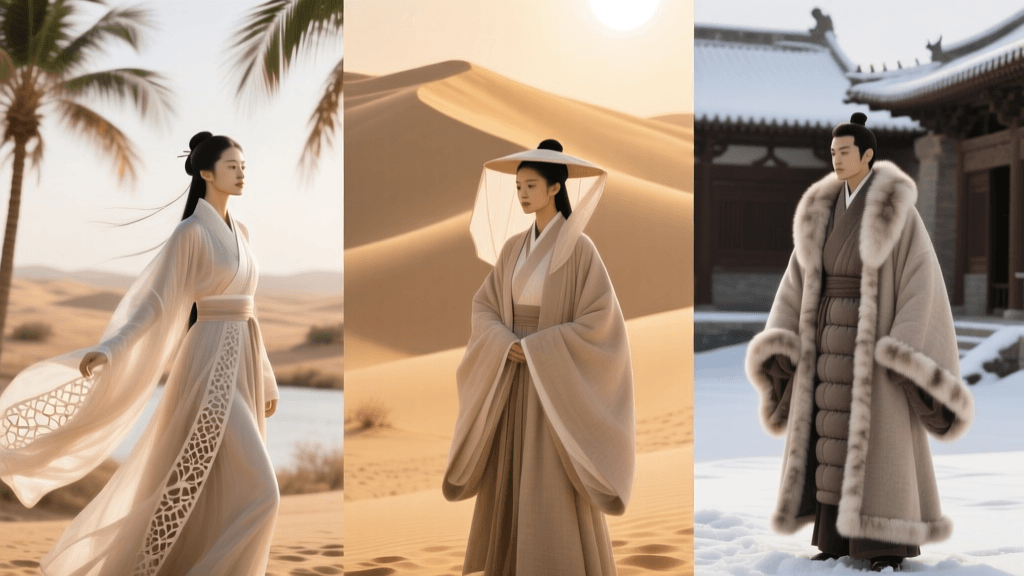
As we navigate through 2026, the global adoption of Hanfu has transcended its historical roots in temperate East Asia, evolving into a versatile wardrobe for enthusiasts living in some of the world's most unforgiving environments. From the sweltering, high-humidity streets of Singapore to the arid, sun-baked dunes of the Arabian Desert, and the biting, sub-zero winds of Harbin, wearing traditional Chinese clothing requires more than just historical accuracy—it demands an acute understanding of textile physics, layering techniques, and climate-specific adaptations. The modern Hanfu movement has successfully bridged the gap between ancient aesthetics and contemporary survival, proving that traditional garments can be remarkably functional when styled with intention.
This comprehensive guide explores how to adapt, source, and wear Hanfu in extreme climates in 2026, ensuring you remain comfortable, protected, and culturally authentic regardless of the thermometer's reading.
Tropical Climates: Beating Humidity with Song Dynasty Elegance
Tropical environments present a unique challenge for traditional dress: high ambient heat combined with oppressive humidity. In these conditions, heavy silks and tight collars become unbearable. The solution lies in the minimalist, breathable silhouettes of the Song Dynasty (960–1279), paired with specialized moisture-wicking fabrics.
Recommended Styles: Beizi and Baidiequn
The Beizi (an open-front, long-sleeved jacket) is the ultimate tropical garment. Its open design allows for maximum airflow across the torso, while the straight cut prevents the fabric from clinging to sweaty skin. Pair this with a Baidiequn (a lightweight, multi-pleated skirt) or wide-legged Songku (trousers) to ensure ventilation reaches the lower body. In 2026, many enthusiasts opt for sleeveless or short-sleeved Banbi variations underneath the Beizi for added modesty without the thermal penalty.
Optimal Fabrics: Xiangyunsha and Nano-Ramie
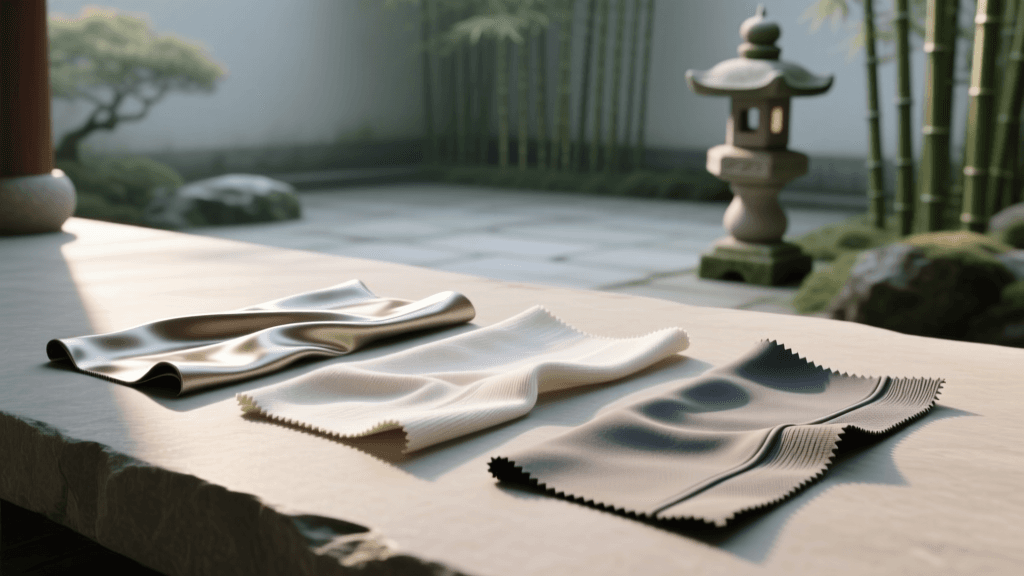
For tropical heat, Xiangyunsha (Gambiered Canton Gauze) remains the gold standard. Recognized by the UNESCO Intangible Cultural Heritage lists, this unique silk is dyed with river mud and the juice of the薯莨 (Dioscorea cirrhosa) yam. The resulting fabric is naturally antimicrobial, dries almost instantly, and feels cool to the touch. Furthermore, 2026 has seen the rise of nano-treated ramie blends from Hangzhou textile mills, which offer the crisp, structured look of traditional hemp but with microscopic moisture-wicking channels that pull sweat away from the body.
'The genius of Song Dynasty tailoring was its restraint. By minimizing structural layers and maximizing drape, they created a microclimate of moving air between the skin and the silk.' — Dr. Lin Wei, Textile Historian, 2026.
Desert Climates: Sun Protection and Tang Dynasty Layering
Desert climates are characterized by extreme diurnal temperature shifts—blistering, high-UV days and surprisingly freezing nights. Furthermore, the air is incredibly dry, meaning sweat evaporates quickly, but the risk of sunburn and dehydration is high. The Tang Dynasty (618–907) offers the perfect blueprint for desert adaptation, utilizing volume and strategic draping.
Recommended Styles: Wide-Sleeve Ruqun and Pibo
During the day, a lightweight Ruqun (top and skirt ensemble) with exceptionally wide sleeves acts as a physical sunblock. The volume of the sleeves traps a layer of insulating air, shielding the skin from direct solar radiation while allowing breezes to circulate. As the sun sets and desert temperatures plummet, the Pibo (a long, flowing silk shawl) becomes essential. In 2026, desert-dwelling Hanfu wearers often carry a heavier, embroidered Pibo that can be wrapped tightly around the shoulders and chest to retain core body heat once the sun disappears.
Optimal Fabrics: Heavyweight Linen and Matte Silk
Avoid highly reflective or thin synthetic silks in the desert, as they offer poor UV resistance and can trap heat. Instead, seek out heavyweight, tightly woven raw linen. As noted by the Metropolitan Museum of Art's Heilbrunn Timeline of Art History, ancient Chinese textiles often utilized varied plant fibers for different regional needs, and modern linen mimics this historical durability. Linen's natural fibers provide excellent UV blockage and possess a high thermal conductivity, meaning it pulls heat away from the body during the day. For evening layers, opt for matte-finish raw silk, which provides warmth without the suffocating weight of winter wools.
Cold Regions: Ming Dynasty Mamianqun and Thermal Pifeng
Surviving sub-zero temperatures and biting winds requires structural integrity, windproofing, and the ability to hide modern thermal technology beneath historical silhouettes. The Ming Dynasty (1368–1644) provides the most robust and voluminous garments in the Hanfu canon, making it the undisputed champion of winter wear.
Recommended Styles: Mamianqun and Pifeng
The Mamianqun (horse-face skirt) is a winter miracle. Its overlapping front and back panels allow for a massive range of motion and, crucially, provide enough internal volume to hide thick, fleece-lined leggings or modern merino wool base layers without disrupting the garment's external lines. For the upper body, the Pifeng (a traditional cloak or cape) is mandatory. A floor-length, thick-collared Pifeng acts as a windbreaker, sealing in the heat generated by the layers beneath it. In 2026, many tailors offer Pifeng with integrated, hidden magnetic closures at the neck and wrists to prevent icy drafts from penetrating the inner layers.
Optimal Fabrics: Wool-Silk Blends and Velvet
According to Encyclopædia Britannica, the integration of diverse fibers into Chinese weaving has a long, pragmatic history. For extreme cold, pure silk is insufficient as it lacks thermal retention. Instead, look for modern wool-silk blends, which combine the wind-resistant density of wool with the soft, non-itchy drape of silk. Additionally, Ming-style velvet (often used in winter jackets and cloaks) provides exceptional heat trapping. Faux-fur trims on collars and cuffs are not just historically accurate to northern Chinese winter fashions; they serve a vital functional purpose by breaking the wind before it reaches the face and hands.
2026 Climate-to-Hanfu Adaptation Matrix
To quickly reference the ideal combinations for your specific environment, consult the matrix below. These recommendations reflect the latest textile innovations and styling consensus from the 2026 global Hanfu community.
| Climate Type | Ideal Dynasty Style | Best 2026 Fabric Choice | Key Functional Accessory | Avg. Market Price (USD) |
|---|---|---|---|---|
| Tropical (Hot/Humid) | Song Beizi & Baidiequn | Xiangyunsha, Nano-Ramie | Bamboo-weave hand fan, moisture-wicking Zhongyi | $120 - $280 |
| Desert (Dry/High UV) | Tang Ruqun & Pibo | Heavyweight Linen, Matte Raw Silk | Wide-brim woven hat, UV-blocking Pibo shawl | $150 - $350 |
| Cold (Sub-Zero/Windy) | Ming Mamianqun & Pifeng | Wool-Silk Blend, Winter Velvet | Faux-fur collar, hidden thermal base layers | $250 - $600+ |
Modern Innovations and Care in Extreme Environments
Wearing Hanfu in extreme climates also dictates how you must care for your garments. In tropical regions, the high humidity can lead to mildew on natural fibers. It is vital to store Xiangyunsha and ramie garments in breathable cotton bags with activated charcoal desiccants, never in plastic. Conversely, in desert environments, the hard, mineral-heavy water can stain and degrade delicate silks during washing. Desert dwellers should exclusively use pH-neutral, distilled-water-based cleaning solutions for their Tang Dynasty ensembles.
The year 2026 has also brought remarkable advancements in 'invisible' modern tailoring. Many bespoke Hanfu tailors now offer hidden armpit gussets made from modern athletic mesh, providing ventilation in tropical climates without altering the historical exterior. Similarly, winter Pifeng cloaks are increasingly being lined with ultra-thin, aerospace-grade aerogel insulation, providing the warmth of a heavy bear-skin rug with the weight and drape of a light autumn scarf.
Conclusion
Adapting Hanfu for extreme climates is a testament to the enduring versatility of traditional Chinese design. By respecting the historical wisdom of Song breathability, Tang volume, and Ming structure, and combining them with the best textiles of 2026, enthusiasts can confidently wear their heritage anywhere on Earth. Whether you are braving the equatorial sun or the arctic wind, the right fabric and silhouette will ensure your Hanfu remains a source of comfort, pride, and resilience.