Mamianqun Skirt Styling: Mix Hanfu With 2026 Fashion
The Renaissance of the Mamianqun in 2026
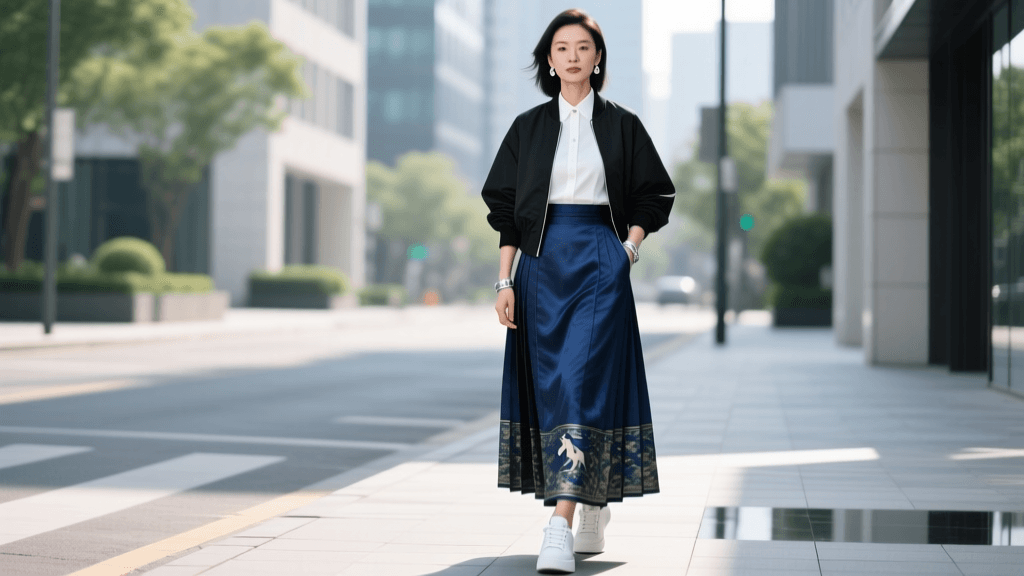
The global fashion landscape of 2026 has fully embraced the 'Xin Zhongshi' (New Chinese Style) movement, transforming traditional garments from niche cultural artifacts into everyday wardrobe staples. At the forefront of this sartorial revolution is the Mamianqun, historically known as the horse-face skirt. Once reserved for Hanfu enthusiasts and historical reenactments, the Mamianqun has seamlessly integrated into modern streetwear, corporate attire, and high-fashion runways. By blending centuries-old structural ingenuity with contemporary aesthetics, fashion-forward individuals are redefining how heritage textiles are worn in the modern era.
Mixing traditional Asian pieces with a modern wardrobe requires an understanding of proportion, fabric behavior, and color theory. In 2026, the goal is not to wear a costume, but to create a harmonious dialogue between the past and the present. This guide will explore how to authentically and stylishly incorporate the Mamianqun into your daily rotation, ensuring you look both culturally grounded and fiercely modern.
Anatomy of the Horse-Face Skirt
To style the Mamianqun effectively, one must first understand its unique architecture. The skirt is defined by its flat front and back panels, known as 'guangmian' (light faces), which are flanked by deeply pleated sides. This overlapping wrap design was originally engineered during the Ming Dynasty to allow for ease of movement, particularly when horseback riding—hence the moniker 'horse-face.' According to the historical textile archives at the Victoria and Albert Museum, the structural brilliance of traditional Chinese wrap skirts lies in their ability to remain modest and secure while providing a dramatic, sweeping silhouette in motion.
In 2026, modern interpretations often feature reinforced waistbands with hidden side zippers or adjustable hook-and-eye closures, replacing the traditional fabric ties that could slip during a busy commute. The flat panels serve as a canvas for intricate jacquard weaving, embroidery, or modern digital printing, while the pleats provide a dynamic, kinetic energy to the garment.
2026 Fabric Innovations and Shopping Guide
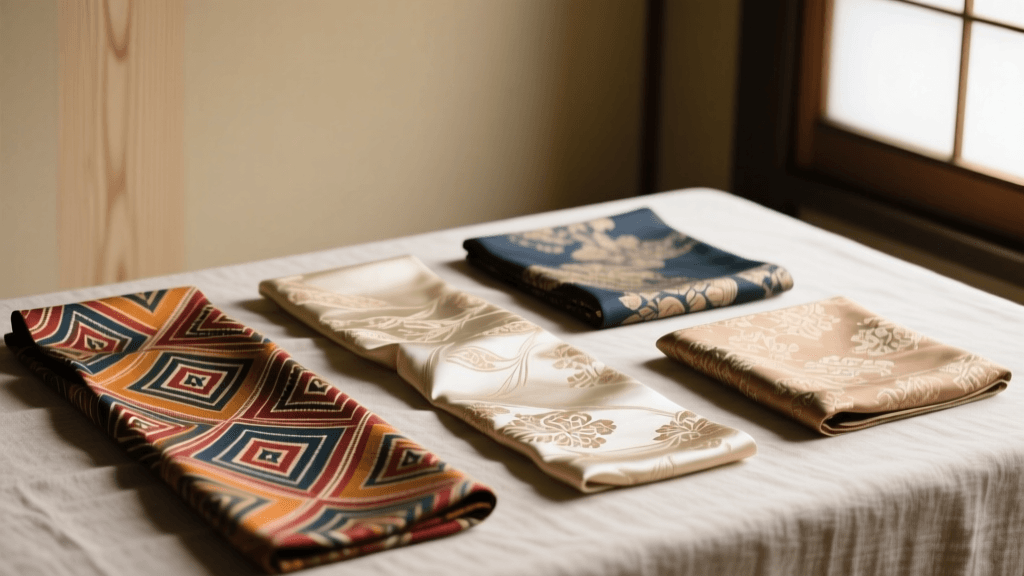
When shopping for a Mamianqun today, you will encounter a fascinating split between traditional purists and modern pragmatists. Pure mulberry silk and heavy brocades remain the gold standard for ceremonial wear, but they are notoriously difficult to maintain for daily use. The 2026 market has been dominated by advanced textile innovations that cater to the modern lifestyle.
- Wrinkle-Resistant Jacquard: Blends of recycled polyester and metallic threads that mimic the look of silk brocade but can be machine-washed on delicate cycles. These typically retail between $85 and $140.
- Vegan Leather Accents: A massive trend in 2026 is the integration of matte vegan leather waistbands and trim, providing an edgy, structured contrast to the flowing pleats. Expect to pay around $160 for these hybrid designs.
- Breathable Linen-Cotton Blends: Perfect for summer styling, these lightweight skirts feature subtle, tone-on-tone woven patterns and offer excellent drape without the bulk of winter brocades, usually priced around $70.
As noted by cultural fashion analysts at the South China Morning Post, the commercialization of the Xin Zhongshi movement has pushed heritage textile mills in Hangzhou and Suzhou to innovate rapidly, resulting in fabrics that honor traditional motifs while surviving the rigors of modern urban commuting.
Styling the Mamianqun for the Modern Office
Integrating a highly decorative skirt into a professional environment requires balancing the skirt's volume with structured, minimalist tops. The key to office-appropriate New Chinese Style in 2026 is silhouette contrast. Because the Mamianqun is voluminous and A-line, your upper half should remain streamlined.
The Corporate Power Look
Pair a midi-length, dark-toned Mamianqun (such as deep plum, navy, or charcoal with subtle silver threading) with a fitted, ribbed turtleneck. Tuck the turtleneck in completely to highlight the skirt's structured waistband. Layer a sharply tailored, oversized blazer over the shoulders. Finish the look with pointed-toe low-block heels or sleek leather loafers. This combination commands respect in the boardroom while subtly showcasing cultural heritage.
The Creative Agency Vibe
For more relaxed creative environments, opt for a Mamianqun with a lighter color palette, such as matcha green or digital lavender. Pair it with a crisp, asymmetrical white button-down shirt, leaving the bottom few buttons undone to allow the shirt to flow over the skirt's flat panels. Ankle boots with a modest heel will ground the outfit perfectly.
Streetwear and Weekend Casual
The true test of any traditional garment's modern viability is its adaptability to streetwear. The juxtaposition of ancient pleating with contemporary casual wear creates a striking visual tension that defines 2026 street style.
'The secret to mixing Hanfu elements with streetwear is intentional dissonance. You want the skirt to feel like a luxury statement piece anchored by utilitarian, everyday basics.' — 2026 Street Style Editorial
For a weekend look, pair a short or midi-length Mamianqun with a cropped, heavyweight cotton hoodie or a vintage-wash denim jacket. The cropped nature of the top ensures the skirt's high waist is not swallowed by bulky layers. Footwear is where you can push the boundaries: chunky sneakers, combat boots, or even retro running shoes work exceptionally well. Accessorize with a modern crossbody bag or a minimalist canvas tote to keep the look grounded and accessible.
2026 Mamianqun Pairing Matrix
To help you visualize these combinations, refer to the styling matrix below, detailing the best pairings for various modern scenarios.
| Occasion | Top Pairing | Outerwear | Footwear | Accessories |
|---|---|---|---|---|
| Corporate Office | Fitted Ribbed Turtleneck | Structured Wool Blazer | Pointed-Toe Loafers | Minimalist Leather Tote |
| Streetwear / Casual | Cropped Graphic Tee | Oversized Denim Jacket | Chunky Platform Sneakers | Nylon Crossbody Bag |
| Evening Dinner | Silk Camisole | Faux Fur Cropped Coat | Strappy Block Heels | Jade Pendant Necklace |
| Weekend Brunch | Oversized Linen Button-Down | Lightweight Cardigan | White Leather Sneakers | Woven Straw Hat |
Care, Maintenance, and Storage
The intricate pleats of the Mamianqun require specific care to maintain their sharp, kinetic structure. Improper washing can ruin the skirt's silhouette, turning crisp folds into frumpy wrinkles. For those studying the preservation of historical textiles, the Metropolitan Museum of Art's Asian Art collection highlights the importance of proper textile storage, a principle that applies just as much to your modern wardrobe.
Washing and Drying
- Hand Wash or Delicate Cycle: Always use cold water and a pH-neutral detergent. If using a machine, place the skirt in a mesh laundry bag to prevent the pleats from catching and stretching.
- Avoid Wringing: Never twist the fabric to remove water. Gently press the water out between two clean towels.
- Drying: Hang the skirt by the waistband on a padded hanger. The weight of the wet fabric will naturally pull the pleats downward, helping them dry straight.
Ironing and Steaming
Steam is your best friend. Use a handheld steamer to refresh the pleats before wearing. If you must use an iron, use the lowest heat setting and always place a pressing cloth between the iron and the fabric. Iron only in the direction of the pleats, never across them, as this will flatten the structure and create unwanted shine on synthetic blends.
Storage
Do not fold your Mamianqun if you can avoid it. Folding will create permanent creases that fight against the engineered pleats. Store the skirt hanging in a breathable garment bag in a cool, dry closet. If you must pack it for travel, roll the skirt loosely from the hem to the waistband rather than folding it flat.
Conclusion
The Mamianqun is a testament to the timeless brilliance of Asian garment engineering. By understanding its history, respecting its structure, and boldly mixing it with the contemporary pieces of 2026, you can create a wardrobe that is deeply personal, culturally rich, and undeniably stylish. The New Chinese Style movement is not merely a passing trend; it is a lasting evolution of how we wear our heritage in the modern world.