The Ultimate Guide to Hanfu Conventions and Meetups
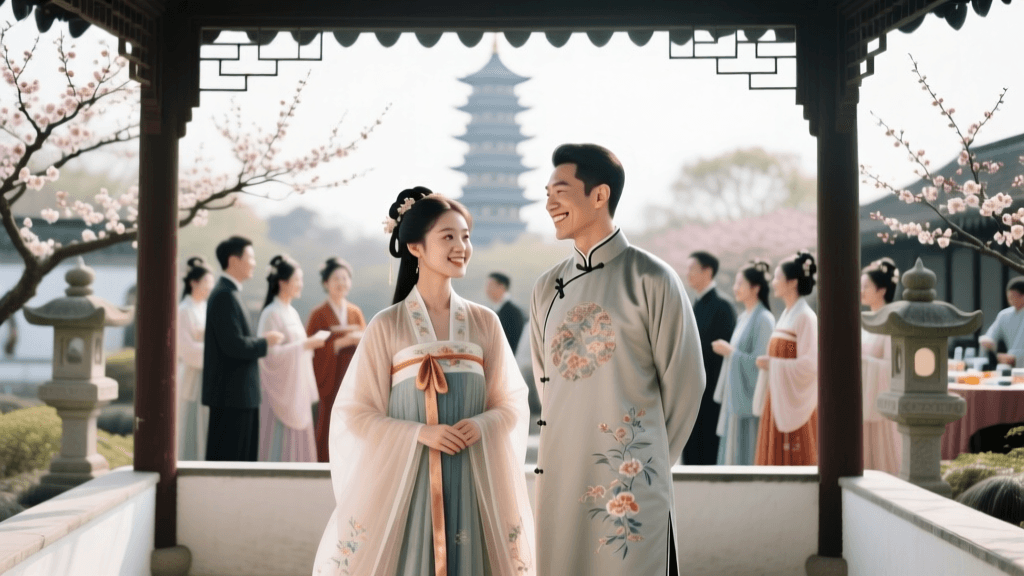
The Renaissance of Traditional Chinese Clothing Gatherings
Over the past decade, the revival of traditional Han Chinese clothing has evolved from a niche internet hobby into a vibrant, global subculture. Enthusiasts no longer confine their sartorial expressions to private photoshoots or online forums. Today, the Hanfu movement is defined by large-scale conventions, university club meetups, and immersive cultural festivals. For both seasoned collectors and curious beginners, attending these events offers a profound opportunity to connect with artisans, historians, and fellow enthusiasts. However, navigating the logistics of these gatherings—from transporting delicate silk garments to understanding community etiquette—requires careful preparation and a solid understanding of the culture.
Whether you are planning to attend a massive multi-day festival in a historic water town or a casual weekend photoshoot at a local botanical garden, understanding the landscape of these events is crucial. This guide provides actionable advice on garment selection, packing essentials, community norms, and budgeting to ensure your Hanfu event experience is both historically respectful and logistically seamless.
Comparing Major Conventions and Local Meetups
The Hanfu community hosts a wide spectrum of events, ranging from internationally recognized cultural weeks to informal local club gatherings. The most famous of these is undoubtedly the Xitang Hanfu Culture Week. Held in the historic water town of Xitang in Zhejiang Province, this event transforms the ancient streets into a living museum of traditional Chinese fashion, attracting hundreds of thousands of visitors, vendors, and scholars. Below is a comparison of the primary types of Hanfu events you may encounter.
| Event Type | Example | Scale and Atmosphere | Average Cost (Entry/Travel) | Best Season |
|---|---|---|---|---|
| Major Cultural Festivals | Xitang Hanfu Culture Week | Massive; immersive, vendor-heavy, parade-focused | $50 - $150 (plus travel/lodging) | Late Autumn (October/November) |
| University Club Meetups | Campus Hanfu Society Gatherings | Intimate; educational, workshop-focused, budget-friendly | Free - $10 (campus venue fees) | Spring and Autumn Semesters |
| City Park Photoshoots | Local Botanical Garden Hanfu Days | Medium; photography-focused, casual, social | Free - $25 (park admission) | Spring (Cherry Blossom/Peony season) |
| Museum Exhibitions | Silk Museum Historical Showcases | Curated; quiet, historically strict, academic | $15 - $30 (exhibition tickets) | Year-round (Indoor) |
Curating Your Event Wardrobe: Practical Garment Selection
Choosing the right outfit for a Hanfu convention is not merely about aesthetics; it is about mobility, weather appropriateness, and historical context. Large conventions like Xitang involve miles of walking on uneven cobblestone streets, making footwear and skirt length critical considerations.
Selecting the Right Skirt and Silhouette
The Mamianqun, or horse-face skirt, is a staple of Ming Dynasty-inspired wardrobes and a favorite at conventions due to its striking pleated structure. However, standard Mamianqun lengths often hover around 105cm to 120cm. If you are attending an outdoor festival with uneven terrain, opt for a skirt length that ends at least 5cm above your ankle bone to prevent the hem from dragging through mud or catching on stone steps. Pair this with a sturdy, flat-soled traditional cloth boot or a modern leather Mary Jane with a thick rubber sole for arch support.
For summer meetups or indoor museum events, a lightweight Song Dynasty-inspired Beizi (an open-front long coat) worn over a simple pleated skirt and camisole offers excellent breathability. Look for fabrics like ramie or lightweight linen blends, which drape beautifully and resist the heavy wrinkling that plagues pure mulberry silk in crowded convention halls.
Layering for Unpredictable Weather
Spring and Autumn are the peak seasons for Hanfu events, but the weather can be notoriously fickle. The traditional layering system is inherently practical for this. A base layer of a narrow-sleeved Ru (top) can be supplemented with a Pibo (draped silk shawl) for sudden chills, or a Daji (long-sleeved open jacket) for wind protection. Avoid wearing modern thermal undergarments with high necklines, as they will break the historical illusion at the collarbone. Instead, invest in low-cut, nude-toned thermal base layers designed specifically for traditional garment wearers.
The Ultimate Hanfu Event Packing List
Packing for a Hanfu convention requires a specialized toolkit to maintain the pristine condition of your garments and accessories throughout a long day. Below is an essential packing list with specific product recommendations and measurements.
- Travel Garment Steamer (1000W - 1500W): Pure silk and heavy jacquard fabrics wrinkle easily in luggage. A compact, dual-voltage steamer is non-negotiable for reviving pleats and removing travel creases before the morning parade.
- Pleat Clips and Binder Clips: Pack at least 10-15 large metal binder clips. When sitting down or using the restroom, use these to clip the layered skirts of your Mamianqun or Aoqun together at the waist to prevent the inner layers from slipping or dragging on the floor.
- Double-Sided Fashion Tape: Essential for securing the overlapping collars (Jiaoling) of your Ru or Daji. Apply a 2-inch strip at the apex of the collar intersection to prevent gaping during movement and photography.
- Modular Hairpin Kit: Dangling Buyao hairpins are notorious for tangling. Bring a hard-shell tackle box with divided compartments. Wrap individual brass and resin Zanzi (hairpins) in microfiber cloths to prevent the metal from oxidizing and the resin from scratching during transit.
- Cloud Shoulder (Yunjian) Spare Ties: If you are wearing a detachable Yunjian, the silk ties often come undone in crowded spaces. Pack two spare sets of 60cm silk ribbons in matching colors to replace any that snap or fray.
- Anti-Friction Thigh Bands: For long days of walking in heavy skirts, anti-chafing bands are a modern necessity that remains completely hidden beneath your historical layers.
Community Etiquette and Photography Norms
The Hanfu community is generally welcoming, but it operates on a strict set of unwritten rules regarding respect, historical accuracy, and personal boundaries. Understanding these norms will help you integrate smoothly into any convention or meetup.
First and foremost is the issue of photography. Hanfu events are highly visual, and attendees often spend hundreds of dollars on bespoke garments and professional makeup. Never take close-up photographs of attendees without their explicit verbal consent. If you see a beautifully styled individual, approach them politely, compliment a specific element of their outfit (such as their embroidered collar or handmade hairpin), and ask if they are open to a photo. If they decline, respect their privacy immediately.
Secondly, be mindful of the distinction between 'Hanfu' (historically accurate traditional clothing) and 'Han-element' or 'Xianxia' (fantasy-inspired or modernized fusion wear). While fantasy wear is popular online, many major conventions and historical societies prioritize archaeological accuracy. If you are attending a strictly historical meetup or a museum-sponsored event, avoid wearing garments with modern zippers, fantasy winged accessories, or anachronistic makeup styles. Conversely, at casual park photoshoots, fusion wear is widely celebrated. Always read the event guidelines beforehand to gauge the expected level of historical stringency.
Budgeting for Your Hanfu Convention Experience
Attending Hanfu events can range from a nearly free afternoon to a significant financial investment. To budget effectively, break your expenses down into garments, accessories, and event logistics.
For beginners, renting a high-quality Hanfu set for a weekend convention is a cost-effective strategy. Rental shops near major event hubs like Xitang or Chengdu typically charge between $30 and $80 USD for a three-day rental of a premium Ming Dynasty Aoqun set, which includes dry cleaning fees. This allows you to wear heavy, expensive brocades without the upfront cost or the burden of long-term storage.
If you prefer to purchase, allocate your budget strategically. Invest heavily in a high-quality, versatile Mamianqun (approx. $80 - $150 USD for a good quality jacquard weave from reputable Taobao or independent brands). A well-made skirt can be paired with multiple different tops and jackets, maximizing your outfit combinations across a multi-day convention. Save money on accessories by purchasing handmade brass hairpins from independent artisans on platforms like Etsy or local convention vendor halls, where prices range from $15 to $40 USD, rather than buying mass-produced plastic alternatives that can detract from the overall elegance of your silhouette.
Finally, factor in the hidden costs of event attendance. Traditional cloth shoes, while aesthetically pleasing, lack modern arch support. Budget an extra $50 for high-quality orthotic insoles to ensure you can comfortably navigate the sprawling grounds of a cultural festival from the morning opening ceremonies to the evening lantern parades.
Conclusion
Participating in Hanfu conventions and community meetups is a deeply rewarding way to engage with Asian traditions and living history. By carefully selecting your garments for mobility, packing a specialized maintenance kit, and respecting the community's etiquette, you transition from a mere observer to an active, respectful participant in the Hanfu movement. Whether you are marveling at the lantern-lit parades in Xitang or sharing sewing tips with a local university club, these gatherings offer a unique bridge between the ancient past and the vibrant present.