The Ultimate Guide to Hanfu Conventions and Meetups
The Rise of the Hanfu Community
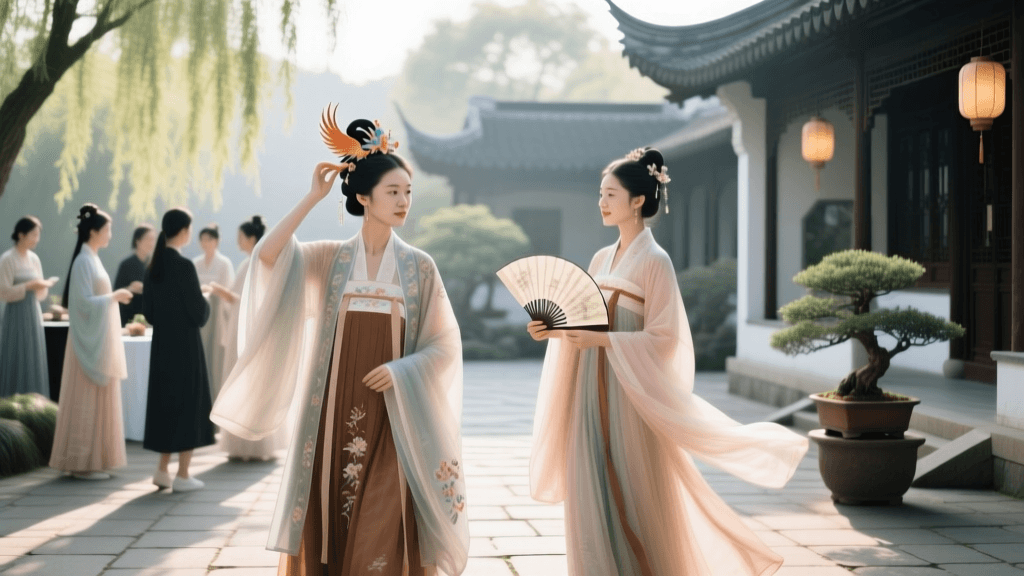
The cultural renaissance of traditional Chinese clothing has transcended digital spaces, manifesting in vibrant, real-world gatherings that celebrate history, artistry, and community. What began as a niche interest among university students in the early 2000s has blossomed into a massive cultural phenomenon. According to cultural analyses of the Hanfu movement, millions of enthusiasts now participate in offline events, transforming public parks, historical water towns, and metropolitan streets into living museums of ancient fashion. For both seasoned collectors and curious newcomers, attending a Hanfu convention or local meetup is an unparalleled way to experience the tactile beauty of silk brocade, the intricate engineering of traditional tailoring, and the warm camaraderie of the global diaspora community.
The Landscape of Hanfu Gatherings
Hanfu events range from massive, multi-day tourism festivals to intimate, local weekend meetups. Understanding the scale and focus of these events is crucial for planning your wardrobe, budget, and travel logistics. Below is a comparison of the primary types of gatherings you will encounter.
| Event Type | Notable Examples | Typical Timing | Scale & Estimated Cost | Best For |
|---|---|---|---|---|
| National Culture Weeks | Xitang Hanfu Culture Week | Late October / Early November | Massive (100,000+ attendees). Travel & entry: $300-$800+ | Immersive tourism, parades, vendor shopping |
| Commemorative Flash Mobs | China Huafu Day | April 22 (Lunar March 3) | City-wide (Free to attend). Local transit & food: $20-$50 | Street fashion, photography, local networking |
| Diaspora & University Clubs | Botanical Garden Meetups, Tea House Gatherings | Spring & Autumn weekends | Intimate (20-100 people). Venue fee/picnic: $15-$40 | Beginners, community building, skill-sharing |
The Ultimate Convention Packing List
Attending a Hanfu convention requires more than just throwing on a dress. Traditional dressing involves a specific layering system that ensures historical accuracy, modesty, and structural integrity throughout a long day of walking and socializing. Here is a comprehensive, actionable packing list with estimated costs for entry-to-mid-level quality garments.
1. The Foundation Layers
- Zhongyi (Inner Garments): A white or unbleached cotton cross-collar top and pants. This protects your expensive outer silk layers from sweat and provides a crisp collar line. Cost: $25 - $40.
- Skirt Guards & Slips: If wearing a translucent summer skirt, a solid-colored slip skirt is mandatory. For heavy winter skirts, a quilted under-layer provides warmth without bulking the silhouette.
2. The Main Garments (Outerwear)
- Mamianqun (Horse-Face Skirt): The undisputed favorite for modern conventions due to its ease of movement and striking pleated structure. Look for woven jacquard or brocade fabrics that resist wrinkling. Cost: $60 - $150.
- Ao (Jacket) or Ru (Top): For Ming Dynasty styling, pair the Mamianqun with a Pipa-sleeved Ao. For Tang Dynasty styling, opt for a Banbi (half-arm vest) over a cross-collar Ru. Cost: $50 - $120.
- Pifeng (Outer Cape): Essential for autumn or winter conventions. A knee-length Pifeng adds a dramatic, scholarly silhouette and provides vital warmth. Cost: $70 - $160.
3. Accessories and Footwear
- Yuntouxie (Cloud-Head Shoes): Traditional embroidered flats. Tip: Buy a half-size up to accommodate modern orthotic inserts, as conventions involve miles of walking on cobblestone or pavement. Cost: $30 - $60.
- Hairpieces & Zan (Hairpins): A pre-styled wig base or a foam hair rat is essential for achieving the voluminous buns of the Tang or Song eras. Bring wooden or resin hairpins; metal ones can become heavy and cause headaches over 8 hours. Cost: $40 - $90 for a full set.
4. The Emergency Convention Kit
Every seasoned Hanfu enthusiast carries a small pouch containing: double-sided fashion tape (for securing collars), safety pins, a portable lint roller (especially crucial for dark silk garments), a folding silk fan (for personal cooling and impromptu photo props), and blister plasters.
Navigating Etiquette and Photography Rules
The Hanfu community is deeply rooted in mutual respect, not only for the clothing but for the individuals wearing it. Conventions operate under an unwritten social contract that prioritizes consent and historical appreciation.
The Art of the Greeting
When meeting fellow enthusiasts or greeting event organizers, the traditional Gongshou (clasping hands) is the standard gesture of respect. Stand upright, wrap your right hand in your left fist (for men) or place your hands together at the left hip in a subtle Wanfu gesture (for women), and bow slightly from the waist. This simple act immediately signals your respect for the culture and breaks the ice beautifully.
Photography and Consent
'The garments are art, but the wearer is a person. Always ask before you capture the art.'
At large events like Xitang Hanfu Week, you will see hundreds of people in exquisite, museum-quality reproductions. While public spaces generally allow photography, the community standard is to always ask for permission before taking close-up portraits. Never touch another person's garments, hairpins, or embroidery without explicit consent. Oils from hands can stain delicate silks, and antique-style hairpins can easily snag or break. If someone is adjusting their skirt pleats or fixing their hair, lower your camera and wait.
Historical Accuracy vs. Creative Expression
One of the most fascinating aspects of Hanfu meetups is the spectrum of styling on display. You will encounter 'Kaoju' (historical accuracy purists) who base their outfits on specific archaeological findings, and 'Xianxia' (fantasy-inspired) enthusiasts who blend historical silhouettes with modern ethereal aesthetics.
For those leaning toward historical accuracy, conventions are a place to showcase deep research. Many attendees draw direct inspiration from the Metropolitan Museum of Art's archives on Ming Dynasty dress, replicating the precise weave patterns, color palettes, and badge motifs of 15th-century nobility. When attending a meetup, it is highly encouraged to know the dynasty and basic historical context of your outfit. Being able to explain that your cross-collar top closes to the right (a hallmark of traditional Hanfu construction) or that your skirt pleats mimic a specific Ming dynasty tomb artifact elevates the experience for everyone and fosters deep, educational conversations.
Seasonal Considerations for Outdoor Meetups
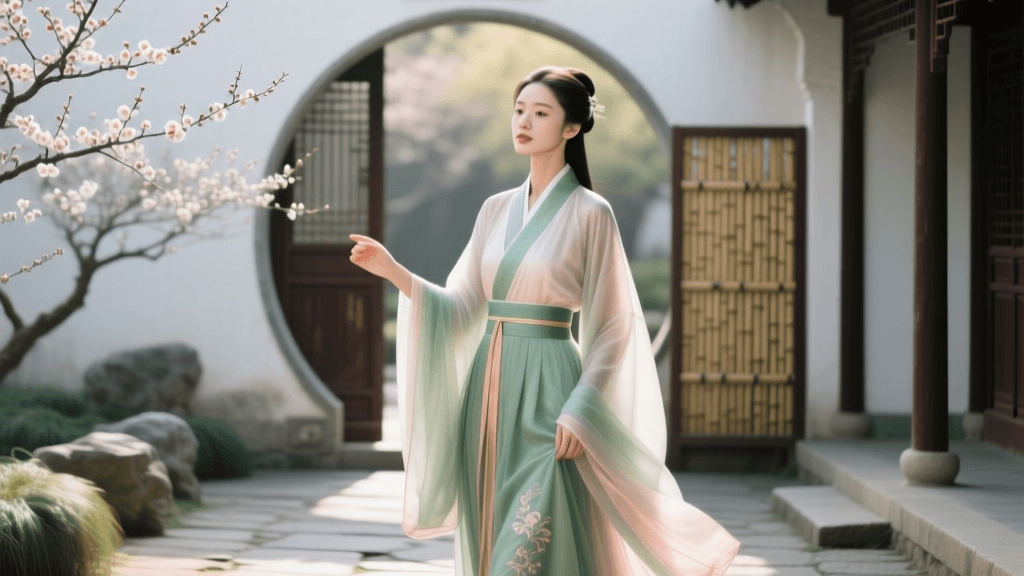
Timing your convention attendance around the seasons is critical for both comfort and aesthetic cohesion. Spring (March to May) is the peak season for local diaspora meetups, often held in botanical gardens to coincide with cherry blossoms and peonies. Lightweight linens, sheer gauze (Luo), and pastel Tang Dynasty Ruqun are the standard here.
Conversely, autumn conventions call for the rich, heavy brocades of the Ming Dynasty. The structured, high-collared jackets and thick Mamianqun skirts are perfectly suited for crisp October weather. If you are attending a summer event, avoid synthetic polyesters at all costs; they trap heat and can cause heatstroke. Invest in genuine mulberry silk or breathable ramie, and utilize traditional bamboo-woven vests worn beneath the outer layers to create a cooling barrier between your skin and the fabric.
Connecting with the Global Diaspora
If you are outside of Asia, finding your local community is easier than ever. Most major cities with a Chinese diaspora population have university-based Hanfu clubs or dedicated cultural associations. These groups frequently rent out traditional tea houses, calligraphy studios, or private gardens for weekend photoshoots and sewing workshops. Joining these local chapters is the most cost-effective way to borrow garments for your first event, learn the intricate folding techniques required to store a Mamianqun without ruining its pleats, and build lasting friendships with fellow cultural custodians. Ultimately, Hanfu conventions are not just about wearing beautiful clothes; they are about weaving a global community together, one silk thread at a time.