Best Hanfu Education Workshops And Certifications 2026
The Evolution of Formal Hanfu Education in 2026
Over the past decade, the Hanfu movement has transformed from a niche grassroots hobby into a global cultural phenomenon. As we navigate 2026, the demand for historical accuracy, professional styling, and textile conservation has necessitated a shift toward formalized education. No longer is it sufficient to rely solely on internet forums and self-taught draping techniques. Today, aspiring cultural ambassadors, film costume consultants, and museum curators are turning to accredited Hanfu education workshops and certification programs to validate their expertise. Institutions that once only offered modern fashion design degrees have expanded their continuing education departments to include rigorous, historically grounded traditional garment studies.
Why Pursue a Hanfu Certification?
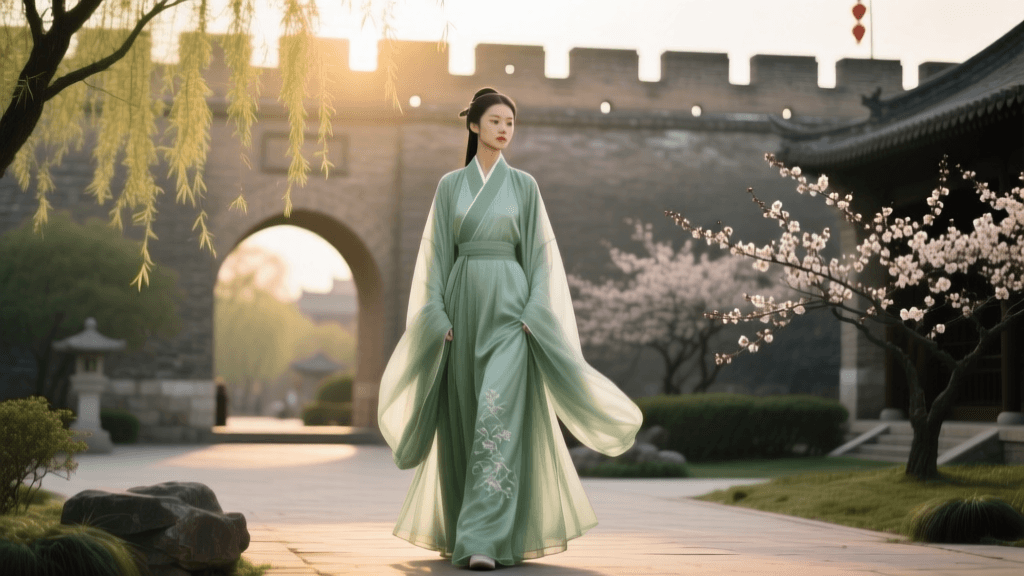
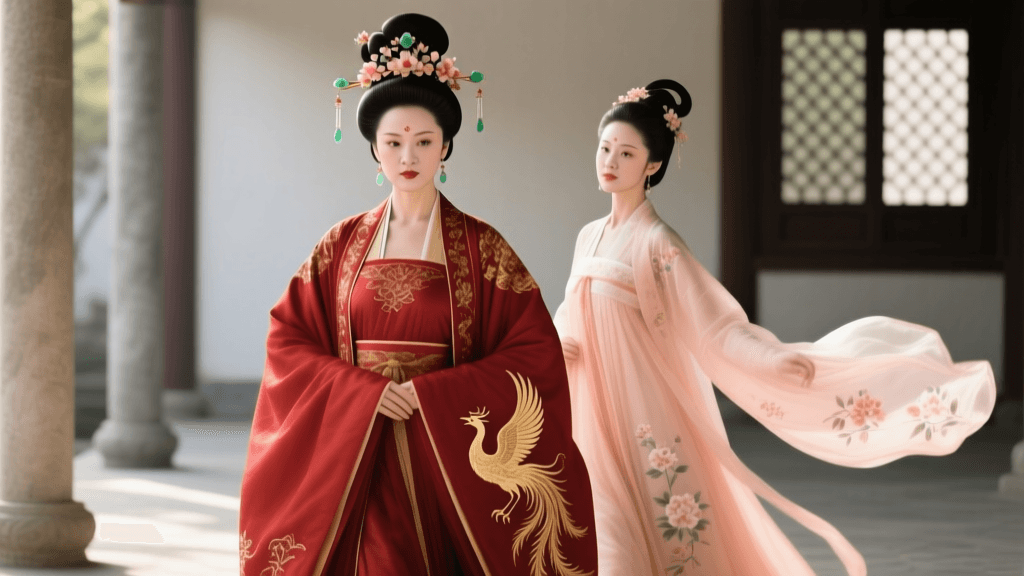
The commercial and academic sectors surrounding traditional Chinese clothing have matured significantly. In 2026, major film studios, historical drama production houses, and high-end cultural tourism boards require verified credentials for their wardrobe and consulting teams. A formal certification proves that a stylist or consultant understands the profound differences between dynasty-specific silhouettes, such as the exuberant, wide-sleeved Qixiong Ruqun of the Tang Dynasty versus the slender, minimalist Beizi and Mamianqun combinations of the Song and Ming Dynasties. Furthermore, certified professionals are increasingly sought after for intangible cultural heritage preservation projects, working alongside archaeologists to reconstruct excavated garments using period-accurate tailoring methods.
Top Certification Tracks Available in 2026
When exploring Hanfu education workshops this year, you will generally encounter three distinct certification tracks, each tailored to different career trajectories and academic interests.
1. Historical Silhouette and Draping Mastery
This track is the gold standard for costume historians and film consultants. The curriculum focuses heavily on the geometry of traditional flat-pattern cutting. Unlike Western tailoring, which relies on darts and curved seams to fit the body, Hanfu construction utilizes straight lines, gussets, and intricate folding. Students in this 2026 track spend weeks mastering the Jiaoling Youren (intersecting collar, right over left) alignment, ensuring the exact historical proportions of sleeve widths, and understanding the philosophical underpinnings of the Shenyi (deep robe), which connects the upper and lower garments to symbolize the unity of heaven and humanity.
2. Traditional Textile Analysis and Conservation
For those drawn to the material science of traditional garments, this track focuses on fiber identification, weaving structures, and natural dyeing. Students learn to differentiate between various historical silk weaves, such as Luo (gauze), Qi (damask), and Kesi (cut silk tapestry). Leading workshops in this category frequently collaborate with institutions like the China National Silk Museum, providing students with hands-on access to archival fragments and teaching them how to analyze the degradation of protein-based fibers in ancient textiles. This certification is highly prized by museum archivists and antique textile collectors.
3. Commercial Styling and Media Consulting
Aimed at fashion editors, editorial stylists, and cultural influencers, this fast-paced workshop track bridges the gap between historical authenticity and modern visual media. While maintaining a strict adherence to foundational rules (such as avoiding anachronistic fabric pairings or incorrect collar orientations), this track teaches professionals how to style Hanfu for high-fashion photoshoots, manage complex layering for camera lighting, and source authentic reproduction garments from verified artisans rather than mass-market costume factories.
Core Curriculum: What to Expect in the Classroom
A comprehensive 2026 Hanfu certification syllabus is remarkably rigorous. Whether attending an intensive four-week summer workshop or a semester-long evening program, students can expect to delve into the following core modules:
- Dynasty-Specific Proportions: Calculating the correct fabric yardage and seam placements for the Zhiju (straight-hem robe) and Quju (curved-hem robe) of the Han Dynasty.
- Pleating Mathematics: The precise folding geometry required to construct a traditional Ming Dynasty Mamianqun (horse-face skirt), ensuring the pleats remain perfectly flat during movement while utilizing the correct historical waistband treatments.
- Color Theory and the Five Elements: Understanding how historical sumptuary laws and the Wu Xing (Five Elements) philosophy dictated color pairings, border trims, and embroidery motifs across different social classes and seasons.
- Accessory Integration: Proper placement and historical context for Guan (caps), Zan (hairpins), and jade pendants, ensuring that the entire ensemble reflects a cohesive historical narrative.
2026 Hanfu Certification Program Comparison
To help you navigate the educational landscape, we have compiled a comparison of the primary workshop formats available this year.
| Program Type | Duration | 2026 Avg. Cost (USD) | Primary Focus | Ideal Candidate |
|---|---|---|---|---|
| Academic/Historical | 3–6 Months | $3,500 – $5,200 | Pattern drafting, archaeology, dynasty rules | Museum curators, film costume designers |
| Textile Conservation | 4–8 Weeks | $2,800 – $4,000 | Fiber analysis, natural dyes, weaving | Archivists, artisan weavers, collectors |
| Commercial Styling | 2–4 Weeks | $1,200 – $2,500 | Visual styling, media consulting, sourcing | Fashion stylists, editorial photographers |
| Intensive Weekend Masterclasses | 2–4 Days | $400 – $800 | Basic draping, single-garment focus | Enthusiasts, boutique owners, beginners |
Integrating Technology: AR and AI in 2026 Workshops
One of the most exciting developments in Hanfu education for 2026 is the integration of advanced digital tools into the traditional classroom. Top-tier workshops now utilize Augmented Reality (AR) mirrors that allow students to digitally layer complex historical garments—such as the multiple tiers of a Tang Dynasty court ensemble—onto mannequins or themselves before cutting expensive silk. This allows for rapid prototyping of silhouettes and collar alignments without material waste. Additionally, Artificial Intelligence is being used to analyze fragmented excavated textiles. By referencing databases supported by frameworks like the UNESCO Intangible Cultural Heritage portal, AI tools help students reconstruct missing weave patterns and predict original colorways of faded artifacts, bridging the gap between ancient craftsmanship and modern technological preservation.
Investment, Prerequisites, and Career ROI
The financial investment for a Hanfu certification varies widely based on the track and the prestige of the instructing body. Programs affiliated with major academic institutions, such as the continuing education wings of the Beijing Institute of Fashion Technology, command premium tuition but offer unparalleled networking opportunities and access to university textile archives. For international students, many of these institutions now offer hybrid models, combining online theoretical modules with a mandatory two-week in-person practicum in cities like Hangzhou, Xi'an, or Beijing.
Prerequisites generally require a foundational understanding of garment construction or a demonstrated portfolio of historical styling. The return on investment, however, is substantial. Certified Hanfu consultants in 2026 are commanding high day-rates for historical drama productions, luxury brand cultural campaigns, and high-end wedding styling. Furthermore, as cultural tourism continues to boom globally, certified experts are frequently hired to design authentic experiential workshops for international tourists, creating a lucrative secondary income stream.
Final Thoughts on Choosing Your Path
Selecting the right Hanfu education workshop requires a clear understanding of your professional goals. If your passion lies in the meticulous recreation of museum-grade artifacts, the Historical Silhouette or Textile Conservation tracks will provide the rigorous academic foundation you need. If you are a visual storyteller looking to bring traditional aesthetics to modern media, the Commercial Styling track will equip you with the practical, fast-paced skills required on set. Regardless of the path you choose, pursuing formal certification in 2026 is a powerful commitment to the preservation, respect, and elevation of traditional Asian sartorial heritage.