Top Hanfu Certification Programs And Workshops 2026
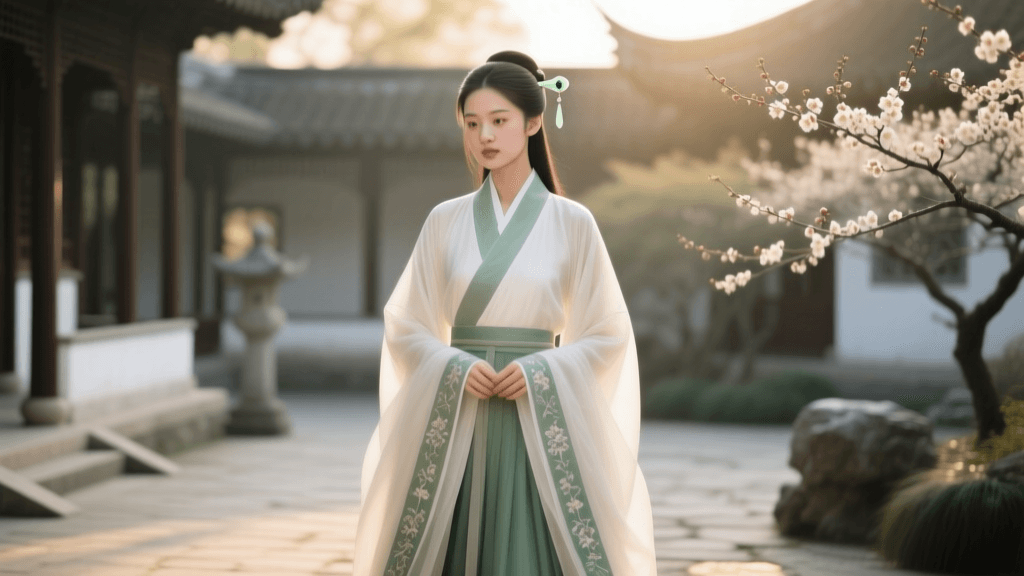
The Evolution of Hanfu Education in 2026
The landscape of traditional Chinese fashion has undergone a monumental transformation over the last decade. What began as a grassroots internet revival has matured into a robust, multi-billion-dollar cultural industry. As we navigate 2026, the Hanfu movement is no longer just about wearing beautiful garments for social media; it is about preserving, understanding, and accurately teaching the profound history woven into every silk thread. For enthusiasts looking to turn their passion into a viable profession, Hanfu education workshops and formal certification programs have become the absolute gold standard.
Whether you aspire to be a historical consultant for high-budget period dramas, a master stylist for traditional luxury weddings, or a museum educator, obtaining a formal certification in Hanfu draping, textile history, and dynastic accuracy is your essential first step. In 2026, the market demands verifiable expertise, and these specialized programs are designed to bridge the gap between amateur appreciation and professional mastery.
Why Pursue a Hanfu Certification in 2026?
In the current cultural economy, authenticity is paramount. High-end photography studios, luxury heritage hotels, and international fashion houses are actively seeking professionals who can confidently distinguish between a Tang dynasty Banbi and a Ming dynasty Pifeng. Certification provides a verifiable benchmark of your expertise. It proves to employers, studios, and private clients that you have undergone rigorous training in garment construction, historical context, and proper etiquette.
Furthermore, as cultural tourism continues to boom across Asia and globally, certified educators are being hired to lead immersive workshops, commanding premium rates for their specialized knowledge. A certification also grants you access to exclusive wholesale textile markets, archival pattern libraries, and a network of master artisans who only collaborate with credentialed professionals.
Top Hanfu Education Workshop Tracks
When exploring certification options this year, you will generally find three distinct educational tracks, each catering to different career goals within the traditional garment industry.
Track 1: Dynastic Accuracy and Historical Draping
This intensive track is designed for purists, academic consultants, and wardrobe supervisors. It focuses heavily on the structural differences across major dynasties. Students spend months analyzing Ming Dynasty aesthetics and Tang dynasty silhouettes, mastering the precise layering of the Aoqun (jacket and skirt) and the intricate pleating techniques of the Mamianqun (horse-face skirt). You will learn how to drape garments using traditional zero-waste cutting methods and how to properly tie the intricate sashes without the use of modern fasteners or hidden pins.
Track 2: Modern Hanfu Styling and Bridal Consulting
This is the most commercially viable track in 2026. It bridges the gap between historical accuracy and modern wearability. Students learn how to style Hanfu for contemporary brides, including the proper selection of ceremonial headwear like the Fengguan (phoenix crown) and the delicate, weight-balanced placement of Buyao (step-shake hairpins). The curriculum also covers modern fabric care, travel packing for heavy ceremonial garments, and how to adapt traditional silhouettes for diverse body types while maintaining historical respect.
Track 3: Textile Heritage and Sericulture
For those interested in the raw materials and conservation, this track aligns with the UNESCO-recognized sericulture and silk craftsmanship. Students learn to identify different grades of silk, understand the jacquard weaving patterns specific to different regions (such as Song brocade versus Yun brocade), and participate in natural dyeing workshops using indigo, madder root, and gardenia. This certification is highly sought after by boutique owners, textile conservators, and custom weavers.
2026 Certification Program Comparison Chart
| Program Focus | Target Audience | Duration | 2026 Tuition Estimate | Certification Level |
|---|---|---|---|---|
| Dynastic Accuracy & Draping | Film/TV Consultants, Historians | 6 Months (Hybrid) | $4,500 - $6,200 | Master Historical Stylist |
| Bridal & Event Styling | Wedding Planners, Salon Owners | 12 Weeks (Intensive) | $2,800 - $3,500 | Certified Bridal Hanfu Stylist |
| Textile Heritage & Dyeing | Boutique Owners, Conservators | 4 Months (In-Person) | $5,000 - $7,500 | Heritage Textile Specialist |
| Hanfu Etiquette & Education | Teachers, Tourism Guides | 8 Weeks (Online) | $1,200 - $1,800 | Cultural Heritage Educator |
Core Curriculum: What You Will Learn
Regardless of the track you choose, a reputable 2026 certification program will require you to pass rigorous practical and theoretical examinations in the following core modules:
- Garment Typology and Structure: Deep dives into the Ruqun (blouse and skirt), Shenyi (deep robe), and Yuwen (cosmetic garments). You will learn the exact historical ratios for sleeve widths, collar overlaps (always left over right), and hem lengths.
- Accessory and Hair Styling: Mastering the use of Zan (single-prong hairpins), Chai (double-prong pins), and Guan (caps/crowns). This includes learning how to construct traditional hairpieces using ethically sourced yak hair and silk wraps to support heavy metal accessories.
- Etiquette and Movement: Historical garments dictate how one moves. Students are trained in traditional postures, including how to walk gracefully in a restrictive Mamianqun, how to sit without tangling layered skirts, and the proper execution of dynastic greeting bows (such as the Wanyi and Zuoyi).
- Garment Maintenance and Archival Storage: Learning the chemistry of silk degradation, proper steaming techniques that avoid water-spotting delicate brocades, and the creation of custom, acid-free storage solutions for museum-grade pieces.
Tools of the Trade for Certified Professionals
Graduating from a certification program requires you to build a professional toolkit. In 2026, certified stylists are expected to invest in specialized equipment. This includes adjustable, canvas-upholstered dress forms that mimic historical body postures (which differ from modern Western mannequins), variable-heat steamers with Teflon-coated plates to protect delicate gold-leaf woven threads, and specialized silk-washing pH-neutral solutions. Furthermore, professionals must maintain a digital library of historical reference texts and archaeological reports to justify their styling choices to clients and directors.
Career Opportunities for Certified Hanfu Stylists
The professional avenues available to certified Hanfu experts have expanded dramatically. Film and Television Wardrobe Consulting is a highly lucrative field, as streaming platforms face intense scrutiny from audiences regarding historical accuracy. Heritage Tourism Guiding allows certified educators to lead premium, multi-day cultural retreats in cities like Xi'an, Hangzhou, and Luoyang, teaching tourists about local textile history while coordinating their daily Hanfu wardrobes. Additionally, Custom Hanfu Boutique Curation is a thriving business model, where certified experts design bespoke, historically accurate trousseaus for high-net-worth clients.
How to Choose the Right Program
When selecting a certification program in 2026, prioritize institutions that offer hands-on practicums with actual historical replicas, rather than just theoretical online lectures. Look for programs led by instructors who have verifiable lineages or academic backgrounds in textile archaeology or traditional Chinese fashion history. Ensure the program provides a recognized credential that is acknowledged by major cultural heritage boards or industry associations. Finally, consider the alumni network; a strong, active alumni community is invaluable for securing apprenticeships, sourcing rare fabrics, and landing your first major consulting contracts.
Conclusion
The professionalization of Hanfu education marks a thrilling new chapter in the preservation of Asian sartorial traditions. By investing in a formal certification program, you are doing more than advancing your career; you are becoming a vital custodian of cultural heritage. Whether you are meticulously pleating a Ming dynasty skirt or teaching a new generation about the artistry of traditional sericulture, your expertise ensures that these magnificent garments continue to be understood, respected, and celebrated in the modern era.