2026 Hanfu Fabric Drape & Comfort Analysis: Top Textiles
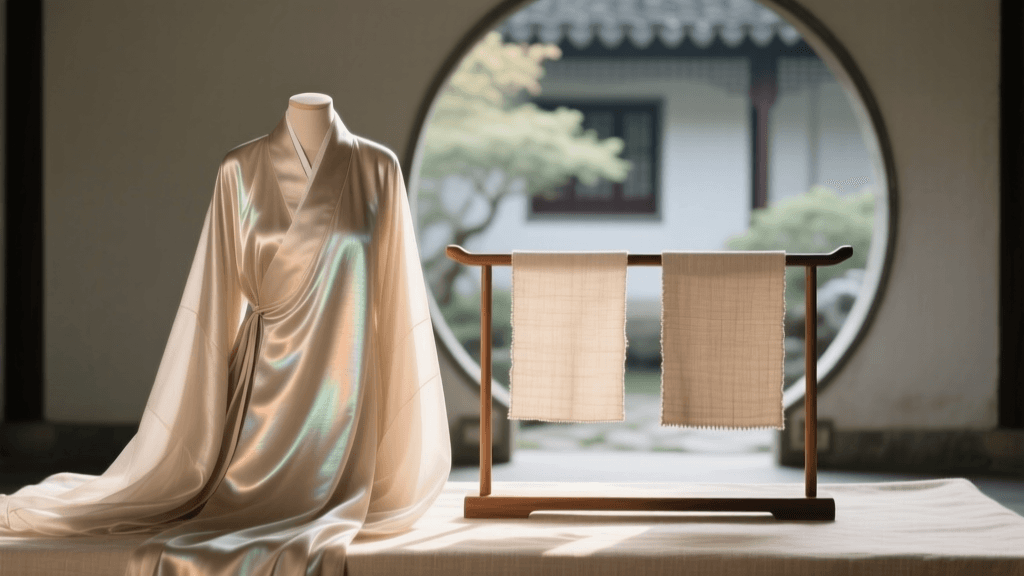
The Evolution of Hanfu Textiles in 2026
The global resurgence of traditional Chinese clothing has transitioned from a niche historical reenactment hobby into a sophisticated, everyday sartorial movement. As we navigate 2026, the Hanfu community and the broader Xin Zhongshi (New Chinese Style) market are no longer satisfied with mere visual accuracy; the modern wearer demands biomechanical comfort, dynamic drape, and sustainable textile innovation. Understanding how different fabrics behave in motion is critical for both designers and consumers. The way a sleeve cascades or a skirt pleats is dictated by the physics of the textile. This comprehensive analysis explores the drape, texture, and comfort profiles of the most prominent Hanfu fabrics available in 2026, providing actionable insights for your next garment investment.
The Physics of Hanfu Drape: Understanding Bending Stiffness
In textile engineering, drape is defined as the ability of a fabric to bend under its own weight into three-dimensional folds. For Hanfu, this is paramount. The sweeping elegance of a Qixiong Ruqun (chest-high skirt) or the structured flow of a Pipa sleeve relies entirely on the fabric bending stiffness and hysteresis. Modern Hanfu manufacturers in 2026 increasingly rely on the Kawabata Evaluation System (KES) to measure these properties. Research published in the Textile Research Journal highlights that a low bending rigidity coupled with low hysteresis allows fabrics to recover their shape gracefully after movement, preventing the 'crumpled' look that plagues cheaper synthetic alternatives.
When selecting fabric for wide-sleeved garments like the Daxiushan, the drape coefficient must be exceptionally low to allow the silk to pool and flow like liquid. Conversely, structured garments like the Ming dynasty Aoqun require a higher bending stiffness to maintain their architectural silhouettes without the use of heavy, uncomfortable synthetic interlinings.
Premium Heritage: Xiangyunsha (Gambiered Canton Gauze)
Often referred to as 'soft gold,' Xiangyunsha remains the pinnacle of luxury Hanfu textiles. This unique silk is dyed using the juice of the薯莨 (Dioscorea cirrhosa) yam and coated with iron-rich river mud, a process that creates a distinctive dual-toned fabric with a subtle, leathery rustle. In 2026, sustainable processing innovations have allowed heritage mills in Guangdong to reduce the water footprint of the mud-dyeing process by 40%, making this ancient textile more ecologically viable than ever before.
Drape and Texture Profile
Xiangyunsha possesses a moderate drape coefficient. It does not cling to the body like lightweight chiffon; instead, it creates structured, architectural folds. The texture is smooth and cool on the skin, with a slight crispness that makes it ideal for summer and early autumn Ruqun sets. Its natural antibacterial properties and exceptional moisture-wicking capabilities make it a premier choice for humid climates.
The Modern Everyday Staple: Cupro and Bio-Rayon Blends
As the Hanfu movement integrates into daily urban life, the demand for easy-care, high-drape fabrics has skyrocketed. Cupro, a regenerated cellulose fiber derived from cotton linter, has emerged as the 2026 standard for everyday Hanfu. Often blended with bio-based rayon, modern cupro mimics the luster and fluid drape of Mulberry silk but offers superior durability and machine-washability (on gentle cycles).
Comfort and Microclimate Regulation
Cupro's moisture regain rate is significantly higher than that of synthetic polyesters, allowing it to absorb and release perspiration rapidly. This microclimate regulation prevents the clammy feeling often associated with wearing heavy traditional layers in warm weather. For garments like the Song dynasty Beizi (a long, open-front coat), cupro provides the heavy, luxurious swing required for the hemline without the prohibitive cost and delicate care requirements of heavy crepe de chine silk.
Summer Breathability: Ramie and Linen Interlocks
For peak summer wear, historical accuracy meets natural cooling in the form of Xia Bu (summer cloth), woven from premium ramie. According to historical and agricultural archives documented by the Food and Agriculture Organization (FAO), ramie is one of the oldest vegetable fibers, prized for its exceptional tensile strength and breathability. In 2026, textile mills have developed enzyme-washed ramie blends that eliminate the traditional scratchiness of the fiber, yielding a soft, linen-like hand feel while retaining its structural integrity.
Ramie's high bending stiffness makes it less suitable for flowing, draped garments, but it is unparalleled for structured summer tops, cross-collared shirts, and lightweight pleated skirts. Its natural resistance to bacteria and mildew makes it a highly practical choice for travelers packing Hanfu for tropical destinations.
2026 Fabric Comparison Chart: Drape, Comfort, and Cost
To help you make informed decisions for your 2026 Hanfu wardrobe, we have compiled a comparative analysis of the top textiles based on current market data and textile testing standards.
| Fabric Type | Drape Coefficient | Breathability (mm/s) | 2026 Avg Cost (USD/m) | Best Garment Application |
|---|---|---|---|---|
| Mulberry Silk (Crepe) | Low (Highly Fluid) | 85 | $45 - $70 | Qixiong Ruqun, Daxiushan |
| Xiangyunsha | Medium (Structured) | 92 | $120 - $180 | Ming Ao, Premium Skirts |
| Cupro/Rayon Blend | Low-Medium (Fluid) | 110 | $18 - $25 | Everyday Beizi, Song Ruqun |
| Enzyme-Washed Ramie | High (Stiff/Crisp) | 145 | $22 - $35 | Summer Tops, Cross-Collars |
| High-Twist Polyester | Medium (Pleat-Holding) | 40 | $8 - $12 | Budget Mamianqun |
The Physics of Pleat Retention in the Mamianqun
The Mamianqun (horse-face skirt) is arguably the most popular Hanfu silhouette in 2026. The defining feature of this garment is its intricate, overlapping pleats that must remain razor-sharp during wear. Historically, pleat retention was achieved through heavy starching or the use of synthetic heat-setting. However, the 2026 standard favors high-twist crepe yarns woven from natural or semi-synthetic fibers.
By utilizing yarns with a high twist multiplier, the fabric naturally wants to contract and hold its folded structure. When paired with a moderate-weight cupro or a silk-blend, the skirt achieves a beautiful, heavy swing at the hem while maintaining crisp pleat lines at the waistband. When shopping for a Mamianqun, always check the fabric composition; avoid 100% standard polyester, which traps heat, and instead look for Tencel-polyester blends or pure silk-crepes that offer both breathability and structural memory.
Sourcing Authentic Textiles and Avoiding Counterfeits
With the explosion of the New Chinese Style market, distinguishing between authentic heritage textiles and mass-produced imitations is crucial. True Xiangyunsha, for instance, will have a distinct asymmetry: one side is a deep, lustrous black (the mud-coated side), while the reverse is a warm, earthy brown. Furthermore, authentic pieces will feature a subtle, natural crackling in the dye that synthetic prints cannot replicate. The rich history of silk production, as detailed by the Metropolitan Museum of Art, reminds us that true luxury textiles carry the physical markers of their organic origins.
Care and Maintenance for Longevity
- Silk and Xiangyunsha: Always dry clean or hand wash in cold water with a pH-neutral silk detergent. Never wring; roll in a towel to absorb moisture and dry flat away from direct sunlight.
- Cupro and Rayon: Machine washable on a delicate cycle in a mesh laundry bag. Hang to dry to prevent shrinkage, and use a low-heat steam iron to restore the fabric's natural luster.
- Ramie: Can withstand warmer water but should be ironed while slightly damp to achieve a crisp, structured finish.
Conclusion: Dressing with Intention in 2026
The modern Hanfu wardrobe is a masterclass in the intersection of ancient aesthetics and modern textile science. By understanding the drape coefficients, breathability metrics, and structural properties of fabrics like Xiangyunsha, cupro, and ramie, enthusiasts can curate collections that are not only visually breathtaking but profoundly comfortable. As 2026 continues to push the boundaries of sustainable and biomechanically optimized textiles, the future of traditional Asian dress has never felt more natural, fluid, and alive.