Hanfu Travel Wardrobe 2026: Packing Essentials & Destination Guide
The Rise of the Hanfu Destination Wardrobe in 2026
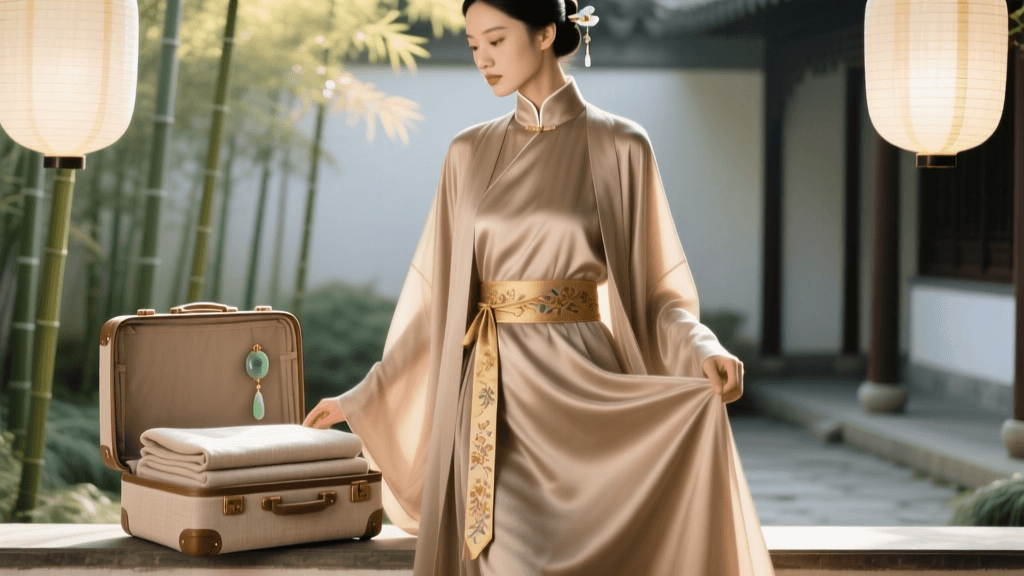
As global travel continues to evolve in 2026, the integration of traditional cultural garments into modern tourism has reached unprecedented heights. The Hanfu movement, which celebrates traditional Chinese clothing, is no longer confined to domestic historical sites or niche photography studios. Today, travelers are confidently wearing Hanfu through the streets of Paris, the temples of Kyoto, and the bustling avenues of London. However, traveling with voluminous, multi-layered traditional garments presents a unique set of logistical challenges. Building a versatile, wrinkle-resistant Hanfu destination wardrobe requires a strategic approach to fabric selection, modular styling, and specialized packing techniques.
According to recent cultural reports tracked by the South China Morning Post's Hanfu coverage, the commercial market for travel-friendly traditional garments has surged, with brands specifically engineering collections for the modern nomad. This guide will walk you through the essential steps to curate, pack, and maintain a stunning Hanfu travel wardrobe for your 2026 adventures.
Choosing the Right Fabrics for Travel
The foundation of any travel wardrobe is its textile composition. While traditional mulberry silk and delicate brocades are breathtaking, they are notoriously difficult to maintain on the road. In 2026, the most savvy Hanfu travelers rely on advanced textile blends that mimic the drape and luster of historical fabrics while offering modern performance benefits.
High-twist crepe polyesters and Tencel-lyocell blends have become the gold standard for destination wardrobes. These fabrics resist deep creasing, dry quickly after spot cleaning, and offer excellent breathability. For a comprehensive overview of historical textile evolution and how modern adaptations compare, the Victoria and Albert Museum's Asian collections provide incredible context on the enduring legacy of Chinese silk weaving and natural fibers.
| Fabric Type | Wrinkle Resistance | Breathability | Best Destination Climate | Travel Care Level |
|---|---|---|---|---|
| Mulberry Silk | Low | High | Mild, Indoor Events | High (Requires steaming) |
| Ramie / Linen | Medium | Very High | Tropical, Humid | Medium (Embraces natural creases) |
| Tencel-Lyocell | High | High | Temperate, Urban | Low (Hang to release wrinkles) |
| High-Twist Poly Crepe | Very High | Medium | All-Season, Transit | Very Low (Shake and wear) |
The Core 2026 Hanfu Travel Capsule Wardrobe
A successful capsule wardrobe relies on mix-and-match versatility. Instead of packing five complete, pre-matched sets, pack modular components that can be layered and reconfigured. Here is the ultimate core capsule for a two-week trip:
1. The Mamianqun (Horse-Face Skirt)
The Mamianqun is the undisputed powerhouse of the Hanfu travel wardrobe. Its structured pleats and flat front panels offer a sophisticated silhouette that pairs beautifully with both traditional tops and modern blouses. Pack two: one in a versatile, dark jewel tone for evening wear, and one in a lightweight, breathable cotton-linen blend for daytime exploration.
2. Cross-Collar Tops (Jiao Ling Shan)
Pack three cross-collar tops in varying sleeve lengths. A short-sleeved top is essential for layering under jackets, while a long-sleeved version provides warmth and elegance. Opt for solid colors or subtle woven patterns that will not clash with your statement skirts.
3. The Beizi (Long Outer Jacket)
A knee-length or calf-length Beizi acts as a lightweight duster, providing an extra layer of warmth on chilly flights and adding a dramatic, flowing layer to your destination photos. Choose a semi-sheer or lightweight Tencel Beizi that takes up minimal space in your luggage.
4. Song-Style Trousers (Song Ku)
For long transit days, hiking, or navigating crowded subway systems, traditional wide-leg trousers are a lifesaver. They offer the comfort of modern loungewear while maintaining a distinct historical aesthetic when paired with a simple top and a waist sash.
Step-by-Step Packing Strategy for Hanfu
Packing multi-layered garments requires moving beyond the standard roll-and-stuff method. To preserve pleats and prevent deep-set wrinkles, employ the 'Core Bundle' wrapping technique.
- The Bundle Wrap: Lay your most wrinkle-prone garments (like silk-blend skirts) flat. Place a soft core (like a pouch of socks or undergarments) in the center, and wrap the garment around the core. This prevents hard fold lines and maintains the fabric's natural drape.
- Silk-Lined Compression Cubes: In 2026, several premium luggage brands have introduced compression cubes lined with friction-reducing silk or satin. These prevent the fabrics from rubbing against each other, which is the primary cause of pilling and creasing.
- Pleat Protectors: For Mamianqun skirts, use specialized cardboard or flexible plastic pleat boards. Slide them into the pleats before folding the skirt in half. This ensures the sharp, knife-like pleats remain perfectly intact upon arrival.
Destination Styling: Adapting to Climates
Adapting your Hanfu to local weather conditions is crucial for both comfort and safety. Traditional garments were designed for specific regional climates, and understanding these nuances will elevate your travel experience.
Tropical and Humid Climates (e.g., Singapore, Hainan)
Opt for Song-dynasty inspired silhouettes, which are historically characterized by their slender, lightweight, and breathable layers. Avoid heavy brocades and dark colors that absorb heat. Ramie and lightweight linen are your best allies here, as they wick moisture away from the body and dry rapidly.
Cold and Alpine Climates (e.g., Hokkaido, Harbin)
Winter travel requires the Ming-dynasty layering system. Start with a thermal base layer (modern merino wool works perfectly), add a lined cross-collar top, and finish with a heavily insulated, fur-collared Pifeng (cape). The voluminous nature of Ming-style skirts allows you to wear thick fleece-lined leggings underneath without disrupting the outer silhouette.
Urban and Cosmopolitan Cities (e.g., Shanghai, London)
In fast-paced urban environments, mobility is key. Pair a modern, tailored Mamianqun with a contemporary silk blouse and a structured Beizi. This fusion approach respects the traditional roots of the garment while allowing you to seamlessly transition from a museum visit to a high-end dinner reservation.
Accessories and Footwear for the Modern Traveler
Accessories can completely transform a basic Hanfu outfit, but they must be travel-friendly. Leave the fragile, elaborate wire-and-pearl headdresses at home. Instead, pack minimalist hair sticks (Zan) made from durable materials like sandalwood, resin, or brushed metal. Magnetic brooches are a 2026 travel essential; they allow you to secure collars and drape sashes without piercing the delicate fabric with traditional metal pins.
For footwear, traditional embroidered cloth shoes are beautiful but lack the arch support needed for a full day of sightseeing. Many modern Hanfu brands now offer hybrid footwear: shoes that feature traditional cloud-motif embroidery and silk uppers, but are built on modern, supportive sneaker or orthotic soles. These are indispensable for cobblestone streets and extensive walking tours.
On-the-Go Garment Care and Maintenance
Even with the best packing techniques, garments will need refreshing. A high-quality, dual-voltage portable steamer is the most important tool in your luggage. The latest 2026 travel steamers heat up in under 30 seconds and offer continuous steam for up to 15 minutes, easily smoothing out a full skirt and top. Always steam garments in the bathroom while taking a hot shower; the ambient humidity helps the fibers relax faster.
Additionally, carry a specialized enzyme-based stain removal pen. Street food is a major part of the travel experience, and a stray drop of chili oil or soy sauce can ruin a light-colored skirt. Treat stains immediately with the pen and a damp cloth to prevent them from setting into the fibers.
Conclusion
Curating a Hanfu destination wardrobe in 2026 is a beautiful intersection of historical appreciation and modern practicality. By selecting performance-driven fabrics, building a modular capsule, and utilizing smart packing techniques, you can bring the elegance of traditional Chinese clothing to any corner of the globe. As noted in Encyclopedia Britannica's overview of Chinese clothing, the evolution of these garments has always been tied to the movement and lifestyle of the people wearing them. Today, that lifestyle is global, mobile, and endlessly adventurous. Pack smart, travel far, and let your wardrobe tell a story that spans centuries.