Edo Period Antique Kimono: History, Sourcing, and Wearing Guide
The Evolution of Japanese Dynasty Fashion: From Heian Layers to Edo Elegance
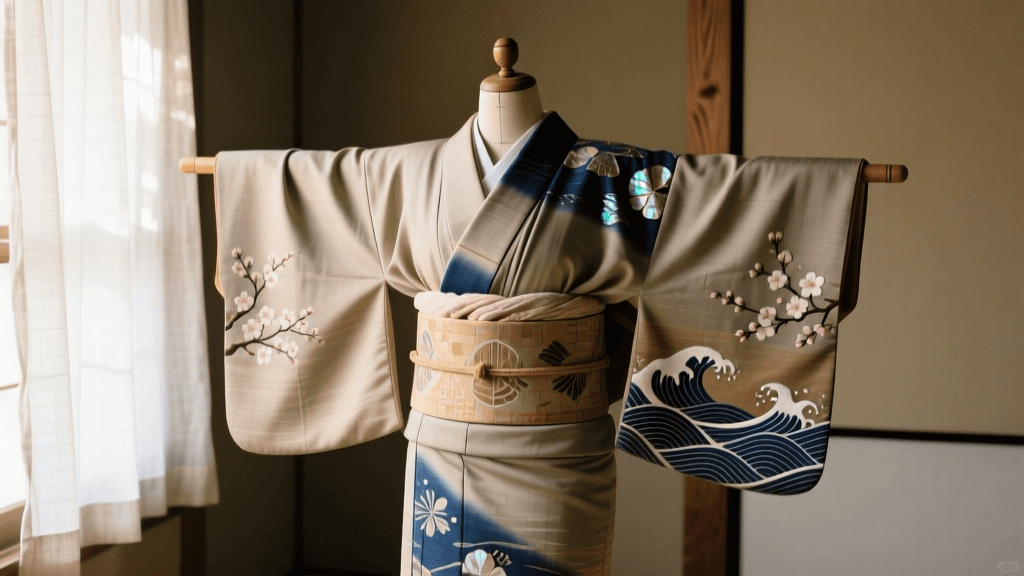
The history of Japanese traditional clothing is a fascinating chronicle of shifting social hierarchies, aesthetic philosophies, and technological innovations in textile production. When we discuss Japanese dynasty fashion, the mind often drifts to the Heian period (794–1185), an era defined by the aristocratic junihitoe—a breathtaking, cumbersome ensemble of up to twelve layered silk robes. The Heian court used color combinations, known as kasane no irome, to communicate rank, season, and poetic sensibility. However, as the samurai class rose to power during the Kamakura (1185–1333) and Muromachi (1336–1573) periods, the impractical layers of the court were stripped away.
The garment that emerged from this simplification was the kosode (small sleeves), originally worn as an undergarment by Heian nobles. By the time the Edo period (1603–1867) ushered in over two centuries of peace under the Tokugawa shogunate, the kosode had evolved into the primary outer garment for both men and women, eventually becoming what the world recognizes today as the kimono. According to the Victoria and Albert Museum, the Edo period was the golden age of the kimono, where the merchant class (chonin) drove unprecedented demand for luxurious textiles, circumventing strict sumptuary laws through hidden linings and subtle dyeing techniques.
Defining Edo Period Garments: Komon, Yuzen, and Shibori
Understanding Edo period fashion requires familiarity with the revolutionary textile techniques that defined the era. Because the shogunate frequently banned overt displays of wealth, commoners developed ingenious methods to express their aesthetic tastes.
- Edo Komon: Originating in the samurai class, this technique involves stencil-dyeing microscopic patterns onto silk. From a distance, an Edo Komon kimono appears to be a solid, modest color, but up close, it reveals tens of thousands of tiny dots forming auspicious motifs, allowing warriors to adhere to sumptuary laws while displaying immense wealth.
- Yuzen Dyeing: Invented by Miyazaki Yuzensai in the late 17th century, this resist-dyeing technique allowed artisans to paint elaborate, pictorial designs directly onto silk, much like a canvas. This birthed the vibrant, flowing motifs of rivers, flowers, and landscapes that characterize formal kimono today.
- Kanoko Shibori: A highly labor-intensive tie-dye method that produces fawn-spot patterns. The shogunate eventually banned it due to the sheer cost and time required, leading to the invention of suribitta (stencil imitation shibori).
The genius of Edo fashion lay not in the ostentatious display of gold and jewels, but in the subtle, hidden luxury of the interior linings and the breathtaking mastery of the dyer's brush.
A Collector’s Guide to Sourcing Antique Edo and Meiji Kimono
For modern enthusiasts and collectors, acquiring genuine antique garments from the late Edo (1800s) and subsequent Meiji (1868–1912) periods is a highly rewarding pursuit. The Metropolitan Museum of Art's Kimono Style exhibition highlighted how Meiji-era garments absorbed Western motifs while retaining traditional silhouettes. If you are looking to source authentic pieces, here is a practical breakdown of where to look and what to expect regarding costs.
Where to Source Antique Kimono
- Toji Temple Flea Market (Kyoto): Held on the 21st of every month, this is the premier destination for antique textiles. Arrive by 6:00 AM for the best selection of Meiji and Taisho-era silks.
- Omiya and Ueno (Tokyo): Neighborhoods like Omiya house multi-generational kimono recyclers (recycle kimono shops) where you can find Edo-period uchikake (bridal overcoats) and Meiji-era haori (jackets).
- Specialized Online Dealers: Platforms like Ichiroya and Yamato Antiques specialize in exporting verified historical garments, providing detailed condition reports and era estimations.
Cost Breakdown for Historical Garments
| Garment Type / Era | Condition | Estimated Cost (USD) | Best Use Case |
|---|---|---|---|
| Edo/Meiji Komon (Daily wear) | Good (minor spots) | $40 - $120 | Study, casual wearing, display |
| Meiji Yuzen Furisode | Excellent | $250 - $600 | Formal events, collection |
| Edo Period Uchikake (Bridal) | Fair (fragile silk) | $400 - $1,500+ | Museum display, framing |
| Antique Maru Obi (Brocade) | Good | $80 - $200 | Styling, upcycling, display |
Understanding Historical Kimono Measurements
One of the greatest challenges in wearing antique Japanese clothing is the difference in historical body proportions. People in the Edo and Meiji periods were generally shorter, and the method of wearing the kimono involved more folding at the waist (ohashori). When purchasing an antique piece, you must measure your body against the garment's specific dimensions. As noted in historical textile analyses featured by The Japan Times, the structural geometry of the kimono has remained remarkably consistent, but the scale has shifted.
Measurement Comparison Chart
| Measurement Term | Description | Modern Average | Antique (Edo/Meiji) Average |
|---|---|---|---|
| Yuki | Center back neck to wrist | 64cm - 68cm | 58cm - 63cm |
| Mitake | Back length (shoulder to hem) | 155cm - 165cm | 145cm - 152cm |
| Sode | Sleeve depth (shoulder to bottom) | 49cm (Tomesode) | 45cm - 60cm (varies wildly) |
| Maehaba | Front panel width | 24cm - 26cm | 22cm - 24cm |
Actionable Advice: If you are taller than 160cm (5'3"), you will likely struggle to wear an authentic Edo or early Meiji kimono with a traditional waist fold. Instead, consider wearing the antique garment as a haori (open jacket) over modern clothing, or have a professional kitsuke stylist adjust the waist fold to be nearly invisible, utilizing the extra length for a dramatic, trailing hemline typical of historical court styles.
Practical Kitsuke: Dressing in Historical Styles Today
Wearing an antique kimono requires specific undergarments and styling techniques to protect the fragile historical silk while achieving an authentic silhouette. Modern kimono dressing (kitsuke) often relies on synthetic accessories and rigid collars, but historical styling demands a softer, more natural approach.
Essential Undergarments and Accessories
- Hadajuban and Susoyoke: Always wear a cotton hadajuban (under-shirt) and susoyoke (half-slip) to absorb body oils. Antique silk is highly susceptible to acid degradation from human sweat.
- Nagajuban: For Edo and Meiji styles, avoid modern synthetic juban with pre-formed plastic collars. Instead, use a silk or fine cotton nagajuban with a traditional eri-shin (bamboo collar stay) to achieve the soft, sloping neckline favored in historical woodblock prints.
- Datejime: Use traditional woven silk or cotton datejime (tying sashes) rather than modern velcro belts. Velcro can easily snag and destroy the delicate interior linings of an antique garment.
Choosing the Right Obi
The Edo period saw the obi transform from a narrow, functional cord into a wide, decorative centerpiece. For formal antique garments, collectors should seek out a Maru Obi. Measuring roughly 65cm wide and 4.5 meters long, the Maru obi is fully brocaded on both sides and heavily weighted with gold and silver threads. Because it is incredibly stiff and heavy, it requires professional assistance to tie into historical knots like the taiko musubi or the elaborate fukura-suzume (sparrow knot) popular in the late Edo period.
Preservation and Care for Dynasty-Era Textiles
Owning a piece of Japanese fashion history comes with the responsibility of meticulous preservation. Edo and Meiji textiles were dyed with organic, plant-based pigments (such as indigo, safflower, and gromwell root) which are highly sensitive to light, humidity, and chemical off-gassing.
Step-by-Step Archival Storage
- The Tatōshi Wrap: Never store an antique kimono on a wire or wooden hanger; the weight of the silk will tear the shoulders over time. Fold the garment along its original seams and wrap it in tatōshi—traditional, acid-free Japanese paper. Avoid plastic garment bags, which trap moisture and encourage mold.
- Kiri Tansu (Paulownia Chest): Store your wrapped garments in a kiri (paulownia wood) chest. Paulownia is naturally resistant to insects, regulates humidity by expanding and contracting with the seasons, and is fire-resistant. If a paulownia chest is out of your budget (ranging from $300 to $2,000), use acid-free archival storage boxes lined with unbleached cotton.
- Mushiboshi (Airing Out): Twice a year, ideally in the dry, crisp weeks of late autumn or early spring, perform mushiboshi. Unfold your antique textiles and let them air out in a well-ventilated room away from direct sunlight for 2 to 3 days. This prevents the buildup of trapped moisture and allows you to inspect the silk for early signs of foxing or insect damage.
- Camphor vs. Cedar: While Western collectors often reach for cedar blocks, traditional Japanese preservation utilizes natural camphor (shounou). Place small, wrapped packets of camphor in the corners of your storage chest to deter silverfish and carpet beetles, which are notorious for eating through protein-based silk fibers.
By understanding the historical context, mastering the nuances of measurement, and committing to archival preservation, collectors and enthusiasts can ensure that the breathtaking artistry of Edo and Meiji dynasty fashion survives for generations to come. Whether you are sourcing a delicate Yuzen-dyed furisode in Kyoto or carefully folding a centuries-old Komon in your home, you are actively participating in the living history of Japanese textile arts.