2026 Hanfu Fabric Drape & Comfort Analysis: Xin Zhongshi
The Evolution of Xin Zhongshi Textiles in 2026
The Xin Zhongshi (New Chinese Style) movement has fully matured in 2026, transitioning from niche historical reenactment to mainstream global fashion. As traditional Hanfu silhouettes integrate into daily wardrobes, the demand for advanced textile performance has skyrocketed. Modern enthusiasts no longer rely solely on historically accurate but high-maintenance mulberry silks. Instead, the 2026 market is dominated by a sophisticated blend of traditional weaves and modern semi-synthetic fibers, specifically engineered for optimal fabric drape, tactile comfort, and thermal regulation.
Understanding Drape Coefficient in Traditional Garments
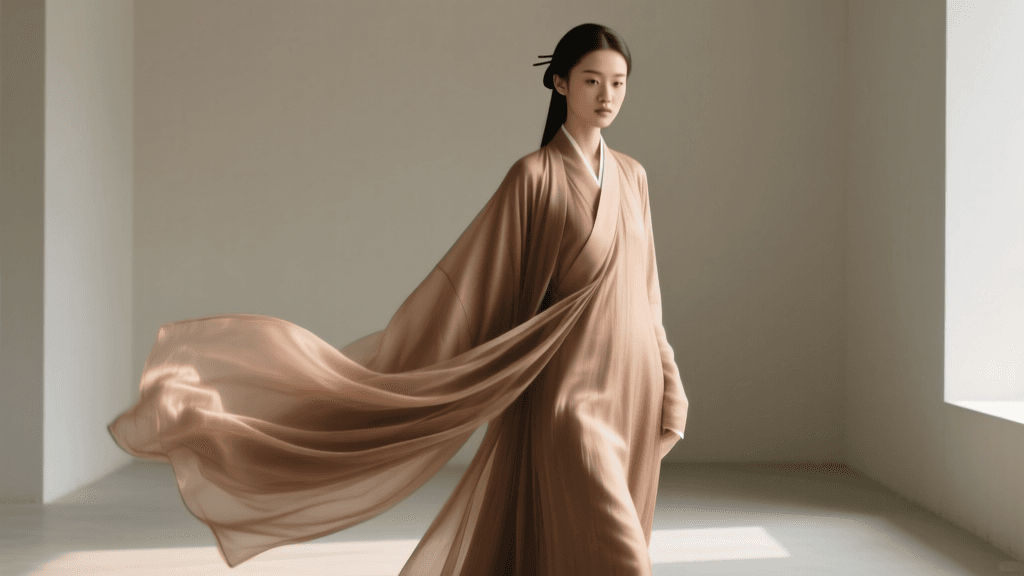
In textile engineering, the drape coefficient measures how a fabric hangs under its own weight. For Hanfu, drape is not merely an aesthetic choice; it is fundamental to the garment's structural integrity and historical authenticity. A high drape coefficient indicates a fabric that folds smoothly and clings gracefully, which is essential for the flowing sleeves of a Daxiushan (large-sleeved robe) or the elegant, knife-sharp pleats of a Mamianqun (horse-face skirt).
According to historical textile archives preserved at the Victoria and Albert Museum, traditional silk textiles possess a natural drape coefficient that early modern synthetics struggled to replicate without heavy chemical treatments. However, 2026 has seen the rise of regenerated cellulose fibers that mimic this behavior almost perfectly, allowing for historically accurate silhouettes with modern convenience.
The Physics of the Cusick Drape Meter in Hanfu Testing
To truly understand why certain fabrics excel in Xin Zhongshi fashion, we must look at how textile labs in 2026 measure drape. The Cusick Drape Meter remains the industry standard for evaluating fabric hanging behavior. A circular specimen of fabric is supported over a smaller horizontal disc, allowing the edges to droop. A light source projects the shadow of the draped fabric onto a piece of paper, and the area of the shadow is used to calculate the drape coefficient. A lower percentage indicates a stiffer fabric, while a higher percentage indicates a softer, more fluid drape.
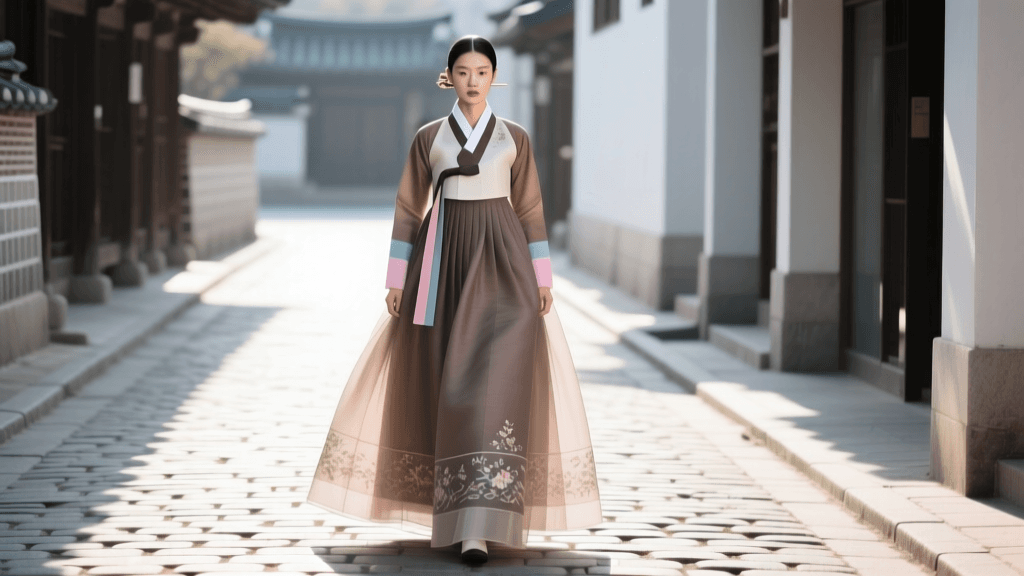
For a traditional Mamianqun, manufacturers aim for a specific mid-range drape coefficient. If the fabric is too fluid (like a lightweight chiffon), the heavy, structured pleats will collapse and lose their architectural integrity. If the fabric is too stiff (like heavy canvas), the skirt will bell out unnaturally and fail to wrap smoothly around the body. The 2026 sweet spot for horse-face skirts lies in medium-weight Tencel blends and high-momme silk crepes, which provide enough structural memory to hold the pleats while maintaining enough fluidity to move gracefully with the wearer's stride.
2026 Hanfu Fabric Performance Comparison
When selecting fabrics for daily Xin Zhongshi wear, understanding the interplay between weight (GSM), moisture regain, and drape is critical. Below is a comprehensive analysis of the top four textiles dominating the 2026 Hanfu market.
| Fabric Type | Drape Profile | Moisture Regain | Ideal 2026 Hanfu Garment |
|---|---|---|---|
| Mulberry Silk (19 Momme) | High (Fluid) | 11% | Summer Ruqun, Formal Daxiushan |
| Cupro (Bemberg) | Very High (Heavy) | 13% | Daily Songku (Trousers), Skirt Linings |
| Tencel Lyocell | High (Structured) | 11.5% | Transitional Beizi (Jackets), Ao |
| Ramie-Cotton Blend | Low-Medium (Crisp) | 8% | Structured Ming Dynasty Ao (Jackets) |
Tactile Texture and Skin Comfort
The tactile experience of Hanfu is paramount, especially for garments worn directly against the skin like the inner Zhongyi or summer Ruqun. In 2026, textile manufacturers are heavily focused on the Q-max value, which measures the instantaneous cooling sensation of a fabric upon skin contact. Cupro, a regenerated cellulose fiber derived from cotton linter, has emerged as a superstar in the Xin Zhongshi community. It offers a silk-like, frictionless texture that prevents skin irritation, while its high moisture regain (13%) ensures that sweat is rapidly wicked away during humid summer months.
Similarly, Tencel lyocell has become the gold standard for transitional weather. As detailed by the fiber experts at Lenzing, Tencel's botanic origin and smooth fiber surface provide a exceptionally soft hand-feel that remains consistent even after dozens of wash cycles. Unlike traditional polyester blends that can feel clammy and trap heat, Tencel lyocell maintains a dry, breathable microclimate against the skin, making it ideal for layered Hanfu outfits worn in spring and autumn.
Thermal Regulation for Year-Round Wear
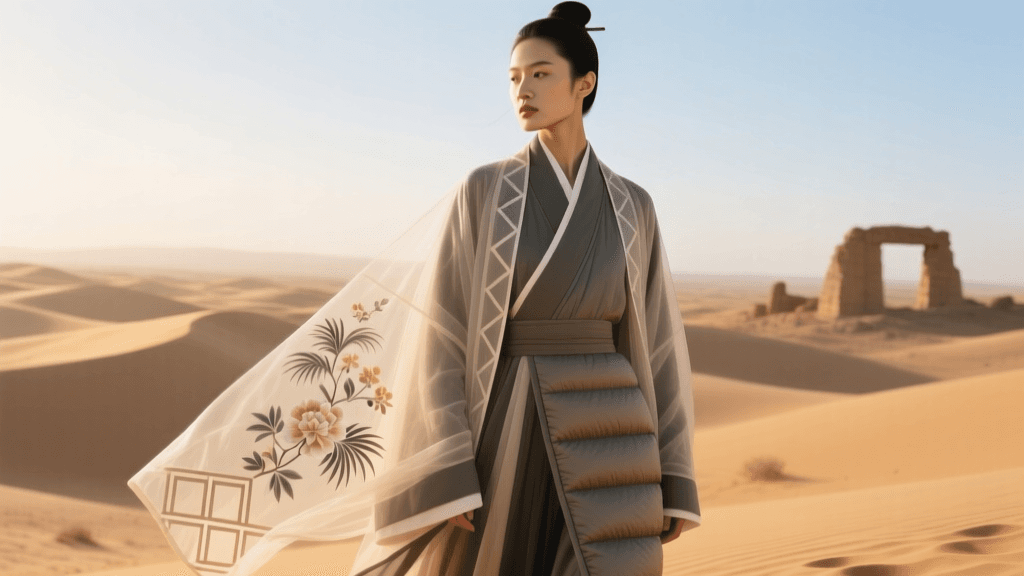
A common misconception is that Hanfu is only suitable for specific seasons. The 2026 Xin Zhongshi movement has debunked this by utilizing advanced thermal-regulating weaves. For winter, traditional wool and heavy silk brocades (Zhuanghua) are being blended with modern hollow-core synthetic fibers to trap body heat without adding excessive weight. This allows the heavy, structured silhouettes of Ming Dynasty winter garments to remain comfortable during outdoor commutes.
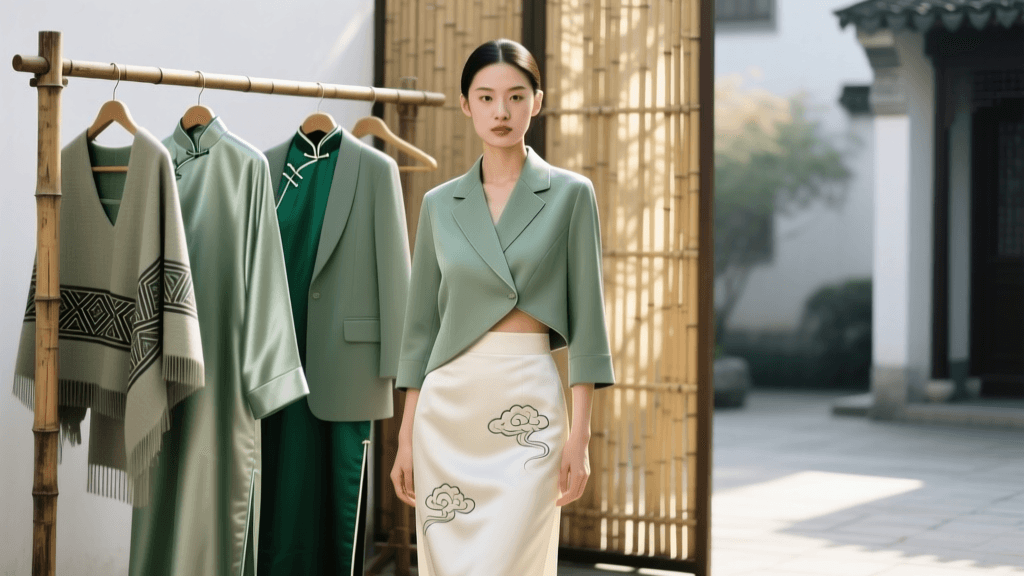
For summer, the focus shifts to Ramie and linen blends. While pure ramie can be stiff and prone to wrinkling, 2026's enzyme-washed ramie-cotton blends offer a crisp, structured drape that holds the architectural shape of a standing collar Ao (jacket) while providing exceptional airflow. The natural hollow structure of ramie fibers allows heat to escape rapidly, providing a natural cooling effect that outperforms standard cotton.
Maintaining Drape and Fiber Integrity
The longevity of a Hanfu garment's drape relies heavily on proper care. The structural memory of fibers like Tencel and Cupro can be compromised by high heat and aggressive mechanical agitation. To maintain the pristine fall of your garments, follow these 2026 best practices:
- Washing Protocols: Always use a pH-neutral, enzyme-free detergent. Wash Cupro and Silk blends on a delicate cycle with cold water (below 30°C). Never wring out a Mamianqun; instead, press the water out using a clean, dry microfiber towel to prevent the pleats from warping.
- Drying Techniques: Air drying is mandatory. Hang lightweight Ruqun on padded hangers to prevent shoulder dimples. For heavy skirts, lay them flat on a mesh drying rack to prevent the weight of the wet fabric from stretching the warp yarns, which would permanently alter the drape coefficient.
- Pleat Retention: The sharp pleats of a Mamianqun are its defining feature. After washing, while the skirt is still slightly damp, use specialized stainless steel pleat clips to secure the folds. Steam lightly from a distance of 15 centimeters to set the memory of the fibers without causing water spots on delicate silks.
- Storage Solutions: Never fold structured Hanfu jackets (Ao) as this breaks the fibers at the crease points. Store them on wide, contoured wooden hangers. For skirts, use the traditional rolling method or hang them using skirt clips with felt padding to avoid leaving indentation marks on the waistband.
The Future of Sustainable Hanfu Textiles
As the Xin Zhongshi aesthetic continues to influence global fashion weeks in 2026, sustainability has become a core pillar of textile selection. The environmental impact of traditional sericulture is being offset by the rise of closed-loop production methods used for Tencel and Cupro. According to preservation and material data from the China National Silk Museum, modern consumers are increasingly demanding transparency in the supply chain, favoring brands that utilize biodegradable fibers and eco-friendly botanical dyes.
By understanding the precise drape coefficients, thermal properties, and tactile benefits of these advanced textiles, modern Hanfu enthusiasts can build a wardrobe that honors ancient traditions while embracing the cutting-edge material science of 2026. Whether you are styling a flowing Daxiushan for a formal event or a crisp Ramie jacket for the office, the right fabric choice ensures both historical elegance and uncompromising daily comfort.