Your Guide to Hanfu Conventions and Community Events
The Rise of IRL Hanfu Gatherings
The Hanfu movement has evolved dramatically from niche internet forums and historical drama fan clubs into a vibrant, real-world cultural phenomenon. Today, traditional Chinese clothing is not just worn for private photography sessions; it is the centerpiece of massive conventions, city-wide festivals, and intimate community meetups. As noted by BBC News, the revival of Hanfu represents a profound connection to heritage for young people, transforming city streets and public parks into living museums of Chinese sartorial history. Whether you are a seasoned enthusiast or a curious newcomer, attending a Hanfu convention or local meetup is an unparalleled way to immerse yourself in this rich tradition.
However, navigating these events requires more than just purchasing a beautiful garment. It demands an understanding of community etiquette, practical styling for long days of walking, and strategic travel planning. This comprehensive guide will walk you through everything you need to know to confidently participate in Hanfu conventions and meetups.
Understanding the Landscape of Hanfu Events
Hanfu gatherings range from highly structured, ticketed mega-festivals to casual, spontaneous weekend photo walks. Understanding the distinct nature of each will help you prepare appropriately.
Mega-Festivals and Cultural Expos
Events like the Xihu Hanfu Festival in Hangzhou or the various Hanfu cultural weeks held in cities like Chengdu and Xi'an are the pinnacle of the community calendar. These multi-day events feature parades, traditional archery competitions, lantern-making workshops, and evening galas. They attract tens of thousands of attendees, including top-tier vendors, independent designers, and influencers. The atmosphere is electric, but the sheer scale means you must prepare for large crowds and extensive walking.
Local Meetups and Photo Walks
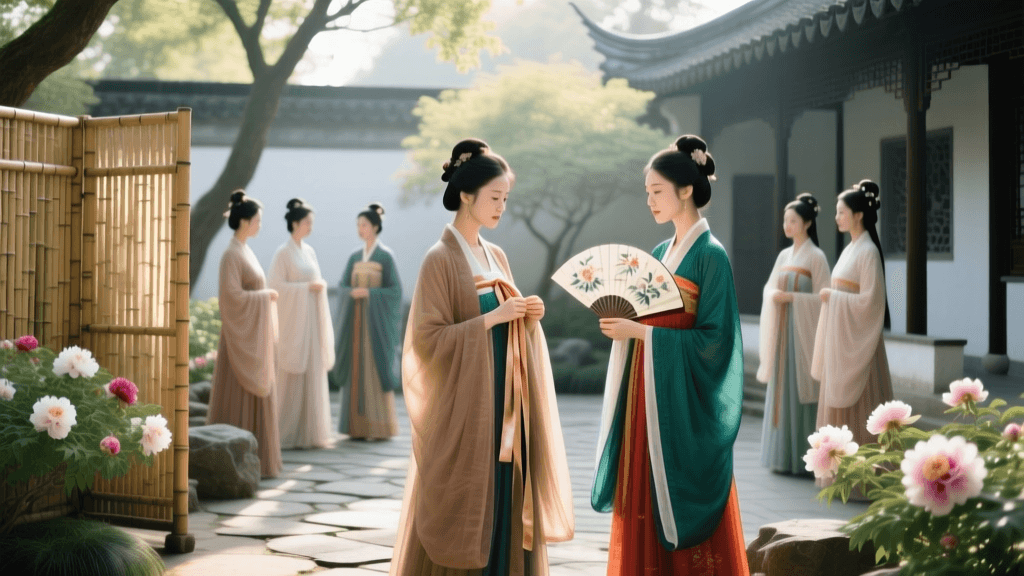
Organized primarily through social media platforms, local university clubs, or diaspora cultural associations, these meetups are usually half-day events. A group will gather at a scenic location—such as a botanical garden, a historical temple, or a traditional courtyard—to take photographs, socialize, and share styling tips. These are highly accessible and serve as the best entry point for beginners looking to make friends in the community.
Workshops and Tea Ceremonies
For those seeking a quieter, more educational experience, many Hanfu clubs host indoor workshops. These might focus on traditional hairpin crafting (chanhua), historical makeup tutorials, or formal tea ceremonies. The dress code for these events leans heavily toward elegant, refined silhouettes that allow for comfortable seated participation.
Event Comparison Chart
To help you decide which type of event aligns with your schedule, budget, and experience level, refer to the comparison table below:
| Event Type | Scale & Duration | Ideal Season | Estimated Budget (USD) | Recommended Dress Code |
|---|---|---|---|---|
| Mega-Festivals (e.g., Xihu) | Massive (10,000+), 2-4 Days | Spring (April/May) or Autumn | $300 - $800+ | Grand Formal (Ming Dynasty Aoqun, elaborate hair) |
| City Photo Walks | Small (10-50), Half-Day | Any (Season-appropriate fabrics) | $20 - $50 | Smart Casual (Song Dynasty Beizi, Mamianqun) |
| Indoor Workshops | Intimate (5-20), 2-3 Hours | Any (Climate controlled) | $15 - $40 | Elegant Everyday (Tang Dynasty Banbi, minimal jewelry) |
| Diaspora Parades | Medium (100-500), Full Day | Varies (Often Lunar New Year) | $50 - $150 | Festive & Warm (Winter cloaks, vibrant colors) |
Dressing for the Occasion: Styling and Practicality
According to The New York Times, the modern Hanfu movement beautifully balances historical accuracy with contemporary lifestyle needs. When attending conventions, your outfit must bridge the gap between aesthetic grandeur and physical endurance.
Choosing the Right Silhouette
For mega-festivals and evening galas, the Ming Dynasty Mamianqun (horse-face skirt) paired with an Ao (jacket) is the gold standard. The structured pleats and heavy brocade fabrics photograph magnificently and convey a sense of formal majesty. However, for summer photo walks or crowded daytime expos, opt for the Song Dynasty Beizi (a lightweight, open-front jacket) over a pleated skirt or wide-leg trousers. The Song silhouette is breathable, less prone to tangling in crowds, and allows for greater mobility.
Footwear and Accessories
Forget the myth that you must suffer for historical fashion. While traditional embroidered cloth shoes (xiu xie) are beautiful, they offer zero arch support for a 10-hour convention day. The community widely accepts and encourages wearing modern, comfortable leather loafers, low-heeled Mary Janes, or even clean, minimalist sneakers hidden beneath the hem of a long skirt. If you wish to elevate your look, invest in cloud-toe shoes with modern rubber soles and memory foam insoles.
Accessories should be secured tightly. Convention winds and crowded subways are the enemies of loose hairpins. Use U-pins and bobby pins that match your hair color to anchor elaborate faux-hair extensions and floral chanhua pieces firmly to your scalp.
Community Etiquette and Norms
The Hanfu community is renowned for its warmth and inclusivity, but like any subculture, it has its own unwritten rules and shared vocabulary.
The Concept of Tongpao
You will frequently hear the term Tongpao (同袍), which translates literally to "sharing the same robe." Originating from an ancient poem about soldiers sharing garments, it is now the universal term of endearment and mutual respect among Hanfu enthusiasts. Addressing fellow attendees as Tongpao instantly establishes a bond of shared passion and breaks the ice.
Photography and Consent
Hanfu conventions are highly visual, and street photography is a major component of the culture. However, consent is paramount. Never photograph an attendee from a low angle, and always ask for permission before taking close-up portraits. If someone is adjusting their garments, eating, or resting, respect their privacy. Conversely, if you are in full formal attire, expect to be approached for photos; a polite smile and a graceful pose are the standard responses to complimentary requests.
Practical Planning and Travel Tips
Attending a convention in full traditional dress presents unique logistical challenges. Proper preparation will ensure your day is remembered for its beauty, not its mishaps.
The Hanfu Emergency Kit
Every seasoned Tongpao carries a discreet, modern tote bag containing an emergency repair kit. Your kit must include:
- Double-sided fashion tape: Essential for securing overlapping collars and preventing wardrobe malfunctions in the wind.
- Safety pins and sewing needles: For immediate repairs to popped seams or broken pleat stitches.
- Lint roller: Long, flowing skirts act as magnets for dust, grass, and pet hair during outdoor photoshoots.
- Folding mirror and blotting papers: Traditional makeup can melt under hot convention lights or summer sun.
- Skirt clips or hair ties: To temporarily hike up your hem when navigating muddy terrain or steep staircases.
Navigating Transit and Venues
Traveling to a convention via public transit in a 6-meter hem skirt requires strategy. When using escalators, you must physically gather the back of your skirt and hold it at waist height to prevent the fabric from being caught in the machinery—a common and dangerous hazard. On crowded subways, stand sideways and wrap your arms around your voluminous sleeves to avoid stepping on your own garments or hitting fellow commuters with rigid hair ornaments. If you are traveling between cities for a festival, pack your Hanfu in a dedicated garment bag and use a portable handheld steamer upon arrival at your hotel; wrinkles in silk and brocade can ruin the historical silhouette in photographs.
Conclusion
Participating in Hanfu conventions and community meetups is a deeply rewarding experience that connects you to a living, breathing cultural revival. By understanding the landscape of events, dressing with both historical appreciation and modern practicality, and respecting the etiquette of the Tongpao community, you are guaranteed an unforgettable experience. Whether you are marveling at the lantern parades in Hangzhou or sharing a quiet cup of tea with local enthusiasts in your own city, the world of Hanfu welcomes you to step into history.