Navigating Hanfu Conventions: A Complete Event Survival Guide
The Rise of Offline Hanfu Gatherings
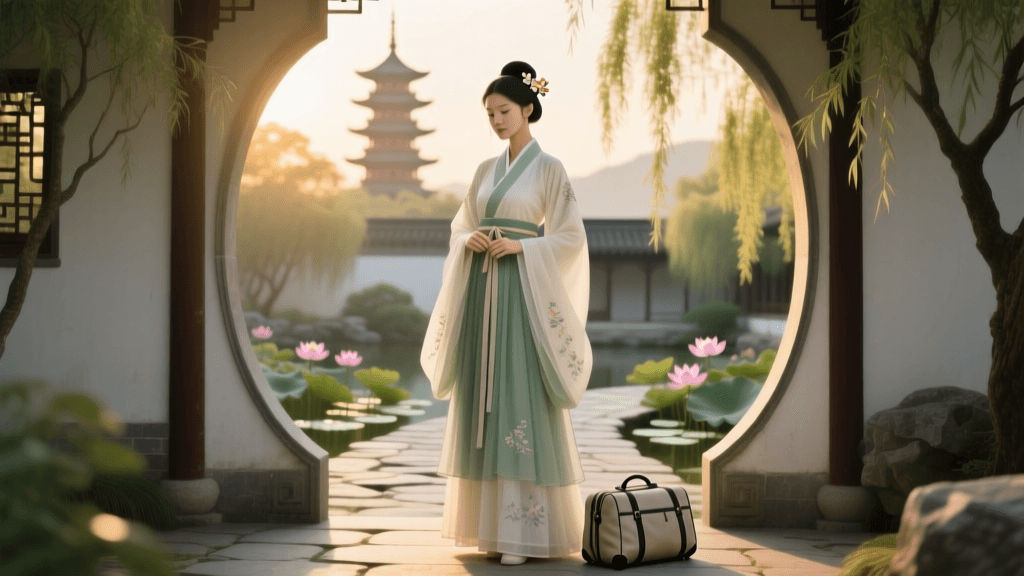
The Hanfu movement has experienced a meteoric rise over the last decade, evolving from niche online forums into a vibrant, highly visible cultural phenomenon. As noted by BBC News, the passion for traditional Chinese clothing has transitioned from digital appreciation to massive offline gatherings, with millions of enthusiasts participating in city-wide parades, cultural weeks, and local park meetups. For both seasoned collectors and newcomers, attending a Hanfu convention—such as the world-renowned Xitang Hanfu Cultural Week or regional expos in Shanghai and Guangzhou—is a rite of passage. However, navigating these events requires more than just a beautiful garment; it demands strategic planning, logistical foresight, and an understanding of community etiquette. This comprehensive survival guide will equip you with the practical knowledge needed to thrive at your next Hanfu convention.
Choosing Your Event: Mega-Conventions vs. Local Meetups
Not all Hanfu events are created equal. The scale, venue, and expectations vary wildly depending on the type of gathering you attend. Understanding these differences is crucial for selecting the right wardrobe and preparing your budget. Below is a comparison chart to help you decide which event type aligns with your current experience level and goals.
| Event Type | Scale & Crowd | Dress Code Strictness | Average Cost (Excluding Travel) | Best For |
|---|---|---|---|---|
| Mega-Convention (e.g., Xitang Hanfu Week) | Massive (100,000+ attendees) | High (Historical accuracy preferred, security checks on entry) | $150 - $300 (Tickets, meals, local transit) | Immersive historical experiences, grand parades, networking |
| City Cultural Expo (e.g., Shanghai Comic Con Hanfu Zone) | Large (10,000 - 50,000) | Moderate (Mix of historical, fantasy, and modern-fusion) | $50 - $120 (Entry fees, vendor purchases) | Shopping for accessories, brand launches, indoor photoshoots |
| Local Park Meetup (e.g., Weekend Tea & Archery) | Small (20 - 100 attendees) | Low (Casual, daily-wear Hanfu, beginner-friendly) | $10 - $30 (Tea house fees, shared snacks) | Beginners, making local friends, practicing traditional arts |
Wardrobe Strategy: Dressing for the Venue and Weather
Selecting the right garment for a convention is a balance of aesthetic desire and practical reality. The venue's terrain and the day's weather should dictate your silhouette. Understanding the historical construction of these garments is vital; as documented by The Metropolitan Museum of Art, traditional Chinese garments rely heavily on specific draping, structural undergarments, and precise tailoring to achieve their iconic silhouettes. When you alter these for modern convenience, you must do so carefully to maintain the garment's integrity.
Navigating Cobblestones and Stairs
If you are attending an event in an ancient water town like Xitang or Wuzhen, you will be walking on uneven cobblestones and crossing arched stone bridges. Avoid floor-sweeping Tang Dynasty Qixiong Ruqun (chest-high skirts) or heavily layered Song Dynasty court attire, as the hems will drag, collect dirt, and pose a tripping hazard. Instead, opt for a Ming Dynasty style Mamianqun (horse-face skirt). The structured pleats and durable waistband make it significantly easier to walk in, and the hem can be tailored to sit just above the ankle.
The Golden Rule of Skirt Measurements
For outdoor conventions, your skirt length should be measured while wearing your event shoes. If you plan to wear traditional wedge shoes or modern 40mm wedges for height, measure the skirt to have exactly 3 to 5 centimeters of clearance from the ground. This prevents the hem from being stepped on by crowds while maintaining the elegant, flowing drape essential to Hanfu aesthetics.
Layering for Climate Control
Conventions often involve long hours outdoors. In spring or autumn, mornings can be freezing while afternoons are sweltering. Utilize the traditional layering system: start with a breathable cotton or linen Zhongyi (inner garment) to absorb sweat and protect your expensive outer silk layers. Bring a lightweight Bijia (vest) or a modern neutral-toned shawl that can be easily removed and stuffed into a tote bag when the temperature rises.
The Ultimate Hanfu Packing & Transit Checklist
Traveling with traditional garments is notoriously difficult. Silk crushes easily, and the sheer volume of fabric can consume an entire suitcase. Proper packing ensures you arrive at your hotel ready to dress, rather than spending three hours ironing.
- The Garment Bag: Invest in a 160cm x 60cm canvas garment bag. Canvas breathes better than plastic, preventing moisture buildup and mildew during transit.
- The Rolling Technique: Never fold Hanfu along sharp creases. Instead, lay the garment flat, place a clean cotton towel in the center, and roll the garment around the towel. This prevents hard wrinkles and saves approximately 30% more suitcase space.
- Travel Steamer: A hotel iron will ruin silk and brocade. Pack a 1000W handheld travel steamer (typically costing between $25 and $40). It heats up in 45 seconds and safely releases wrinkles from delicate pleats and embroidered collars.
- Wrinkle Release Spray: For quick touch-ups between photoshoots, a travel-sized bottle of fabric wrinkle release spray is a lifesaver. Lightly mist the fabric and tug gently at the seams.
- Emergency Kit: Pack a small pouch containing double-sided fashion tape (for securing collars), safety pins, a mini sewing kit with silk thread, and blister plasters for traditional footwear.
Hair, Accessories, and Quick Fixes
Hanfu styling is incomplete without traditional hair accessories, but managing them in a crowded convention center is a challenge. Leave delicate, museum-quality jade and antique metal pieces at home. Conventions are high-traffic environments where items are easily lost or damaged.
Opt for high-quality resin or alloy replicas of Buyao (dangling hairpins) and Zanzi (hair sticks). To secure complex updos without a professional stylist, rely on modern U-pins and matte-finish claw clips that match your hair color, hiding them beneath the top layers of hair. Bring a compact, foldable mirror with a magnifying side for quick bathroom adjustments. If you are wearing a wig or false hairpiece to achieve the voluminous Tang Dynasty styles, secure it with a wig grip band rather than relying solely on bobby pins, which can slip when you are sweating in a crowd.
Event Etiquette and Community Engagement
The Hanfu community is generally welcoming, but large conventions require a mutual understanding of etiquette to ensure everyone has a positive experience.
Photography and Consent
Photography is a massive part of Hanfu events, but consent is paramount. Always ask for permission before taking close-up photos of strangers. If you see a group setting up a professional photoshoot with lighting reflectors and tripods, do not walk through their frame or block their lighting. Conversely, if you are the subject of a photoshoot, try to limit your time at prime scenic spots (like iconic bridges or pavilions) to 15-20 minutes during peak hours (11:00 AM to 2:00 PM) to allow others a chance to capture their own memories.
Respecting the Spectrum of Style
The community encompasses a wide spectrum of styles, from strict historical reconstructionists to fans of Xianxia (fantasy/immortal hero) inspired fashion. While historical accuracy is highly valued at specific academic panels or strict-entry zones like Xitang, general convention floors are inclusive. Avoid 'gatekeeping' or publicly criticizing another attendee's garment for mixing dynasties or wearing modern footwear. Engage in constructive conversations, ask about their styling choices, and focus on the shared appreciation for the culture.
Participating in Workshops
To truly immerse yourself, step away from the main parade routes and attend the cultural workshops. Most mega-conventions offer classes in traditional archery, tea ceremonies, incense making, and ancient music. These smaller, structured environments are the best places to make genuine connections with community elders and artisans who possess deep knowledge of textile history and traditional crafts.
Conclusion
Attending a Hanfu convention is a deeply rewarding experience that bridges the gap between ancient history and modern community building. By carefully selecting your garments for the venue, mastering the art of wrinkle-free transit, and approaching fellow enthusiasts with respect and curiosity, you will transform a potentially stressful logistical challenge into an unforgettable cultural celebration. Whether you are walking the ancient cobblestones of Xitang or sharing tea at a local park meetup, your preparation ensures that you can focus entirely on the joy of wearing and sharing the beauty of traditional Asian garments.