Hanfu Family Ceremonies 2026: Birth, Wedding & Ancestral Rites
The 2026 Hanfu Renaissance in Family Milestones
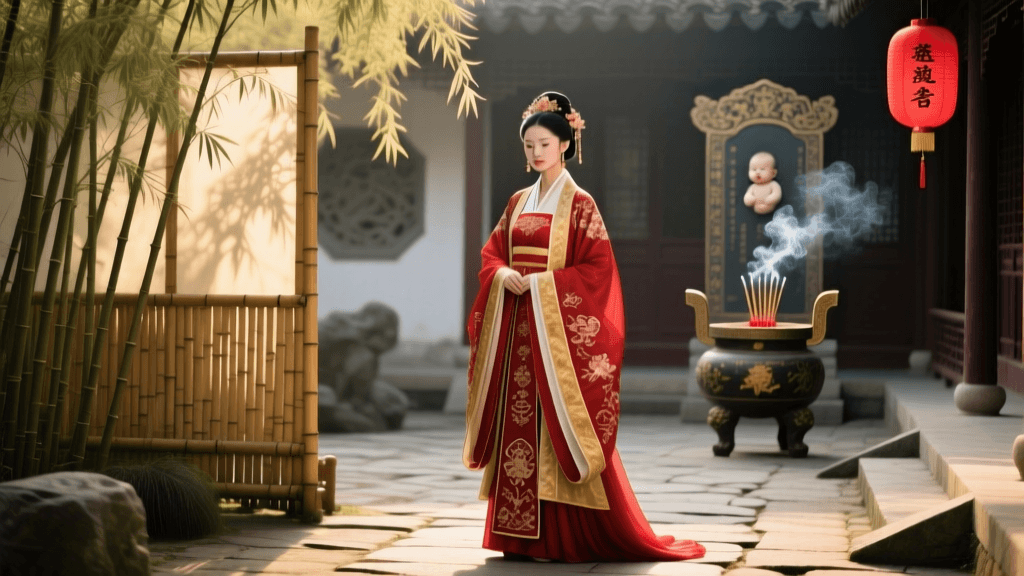
As we navigate the cultural renaissance of 2026, the integration of traditional Hanfu into modern family ceremonies has evolved from a niche historical interest into a mainstream celebration of Chinese heritage. No longer confined to photography studios or casual streetwear, Hanfu has reclaimed its rightful place at the heart of life’s most profound milestones. From the delicate silk wraps of a newborn’s first month celebration to the sweeping, embroidered trains of a Ming-style bridal gown, traditional garments offer a tangible connection to centuries of ancestral wisdom. For families looking to honor their lineage, understanding the specific dress codes, fabric requirements, and etiquette for these events is essential. This comprehensive guide explores the correct Hanfu attire for birth celebrations, weddings, and ancestral rites in the modern era.
Hanfu for Birth and Early Childhood Ceremonies
The arrival of a child is marked by two major early milestones in Chinese culture: the Man Yue (One Month celebration) and the Zhuazhou (First Birthday). In 2026, parents are increasingly turning to historically accurate, yet infant-safe, Hanfu garments to mark these occasions.
The Man Yue (One Month) Celebration
Traditionally, the first month of a baby's life is a period of confinement and protection. For the Man Yue banquet, infants are typically dressed in a Doukou (a traditional belly band) or a soft, unlined Bijia (vest). In 2026, leading ateliers have pioneered the use of hypoallergenic, organic peace silk blends that mimic the drape of historical textiles without irritating delicate newborn skin. These garments are often embroidered with the 'Five Poisons' motif (scorpion, viper, centipede, house lizard, and toad) using soft, non-toxic plant-based dyes. Historically, this motif was believed to ward off evil spirits and protect the vulnerable infant.
The Zhuazhou (First Birthday) Ritual
The Zhuazhou ceremony involves placing the toddler in front of a tray filled with symbolic items (such as a calligraphy brush, an abacus, or a scallion) to 'predict' their future inclinations. The child is dressed in a vibrant, tiger-themed ensemble. The Hutoumao (tiger-head hat) and Hutouxie (tiger-head shoes) are mandatory. The tiger, considered the king of beasts, is believed to protect the child from harm. Modern 2026 iterations of these shoes feature flexible, orthopedic soles hidden beneath traditional embroidery, ensuring the child's physical development is supported while maintaining historical aesthetics.
Traditional Hanfu Wedding Attire: Ming and Tang Styles
Weddings represent the zenith of traditional Chinese sartorial expression. While the 20th century saw the dominance of the Western white gown and the Republican-era Qipao, 2026 has solidified the Hanfu wedding as the ultimate standard for couples seeking cultural depth. The two most prominent styles chosen by modern couples are the Ming Dynasty Fengguan Xiapei and the Tang Dynasty Qungua.
Ming Dynasty: Fengguan Xiapei (Phoenix Crown and Rosy Cape)
The Ming-style wedding attire is characterized by its profound dignity, structured silhouettes, and intricate layering. The bride wears a Fengguan (Phoenix Crown), an elaborate headdress adorned with kingfisher feather inlay (Diancui), gold dragons, and pearls. Due to the ethical and legal protections of kingfishers in 2026, master artisans now use ethically sourced, dyed goose feathers and advanced enamelwork to recreate the iridescent blue-green hue of traditional Diancui. The crown is paired with the Xiapei, a heavy, embroidered sash draped over the shoulders and weighted at the ends with jade pendants to ensure it hangs perfectly straight. The groom typically wears a crimson or dark blue Yuanlingpao (round-collar robe) adorned with Buzi (rank badges) featuring mythical beasts or golden pheasants, signifying nobility and virtue.
Tang Dynasty: Flowing Elegance and Vibrant Hues
For couples preferring a lighter, more romantic aesthetic, the Tang-style wedding Hanfu is highly sought after. This style features high-waisted, flowing skirts (Qungua), wide-sleeved sheer shawls, and vibrant color palettes dominated by pomegranate red, gold, and emerald green. The bride's hair is styled in elaborate updos secured with Buyao (swaying gold hairpins). According to historical textile archives at The Metropolitan Museum of Art, the Tang dynasty was a period of immense cosmopolitan exchange, which is reflected in the bold patterns and generous use of gold-leaf threading in these garments.
2026 Wedding Hanfu Comparison Chart
| Feature | Ming Dynasty (Fengguan Xiapei) | Tang Dynasty (Qungua) |
|---|---|---|
| Silhouette | Structured, layered, modest, A-line | Flowing, high-waisted, voluminous sleeves |
| Key Accessories | Phoenix crown, cloud collar, jade pendants | Gold hairpins, sheer shawls, floral motifs |
| 2026 Custom Bespoke Cost | ¥18,000 - ¥45,000 RMB | ¥9,000 - ¥22,000 RMB |
| Best Season | Autumn / Winter | Spring / Summer |
| Ceremony Vibe | Solemn, majestic, deeply traditional | Romantic, vibrant, poetic |
Ancestral Rites and Solemn Sacrificial Dress (Jifu)
Ancestral worship is the bedrock of Chinese familial piety. During major festivals like Qingming (Tomb-Sweeping Day) or the Winter Solstice, families gather to honor their forebears. The attire worn for these rites, known as Jifu (sacrificial dress), demands utmost respect, modesty, and adherence to ancient color theories.
The Shenyi and Xuanduan
For men, the Xuanduan (a formal, dark, straight-hemmed robe) or the Shenyi (deep robe) is the standard. The Shenyi is a profound garment where the upper and lower pieces are cut separately but sewn together, symbolizing the unity of heaven and earth. The craftsmanship behind these garments is deeply tied to traditions recognized by UNESCO's Intangible Cultural Heritage, particularly the meticulous sericulture and weaving techniques required to produce the heavy, unpatterned silks used in mourning and sacrificial contexts.
Colors for ancestral rites must be subdued. Deep indigo, charcoal, black, and pure white are the only acceptable hues. Flashy embroidery, bright reds, and excessive jewelry are strictly forbidden, as they are seen as disrespectful to the solemnity of the occasion. Women typically wear a subdued Mamianqun (horse-face skirt) in dark tones, paired with a modest, high-collared Ao (jacket).
Coming-of-Age Ceremonies: Guan Li and Ji Li
The transition from childhood to adulthood is marked by the Guan Li (capping ceremony) for men and the Ji Li (hair-pinning ceremony) for women. Though these ceremonies waned during the 20th century, 2026 has seen a massive resurgence among university students and young professionals seeking to formally announce their entry into society and their assumption of familial responsibilities.
The Three Additions
Both ceremonies revolve around the concept of 'three additions.' For a young woman's Ji Li, her hair is styled and pinned three separate times, each with a different type of hairpin, accompanied by a change in her Hanfu. She begins in a simple, child-like Shenyi, transitions into a more mature, elegant Qungua, and finally dons a formal, adult Daxiushan (large-sleeved robe). For structural accuracy in these ceremonies, modern ateliers and cultural societies often refer to comprehensive historical records of Hanfu to ensure the layering and collar directions (always left over right, known as Jiaoling Youren) are flawlessly executed.
Sourcing, Tailoring, and Heirloom Preservation in 2026
Acquiring authentic Hanfu for family ceremonies requires navigating a rapidly modernizing market. In 2026, the integration of AI-assisted 3D body scanning via smartphone apps has revolutionized the bespoke Hanfu market. Overseas buyers and busy urbanites can now submit precise measurements to heritage ateliers in Hangzhou and Suzhou, receiving custom-tailored garments that fit perfectly without the need for multiple in-person fittings.
Preserving Ceremonial Hanfu
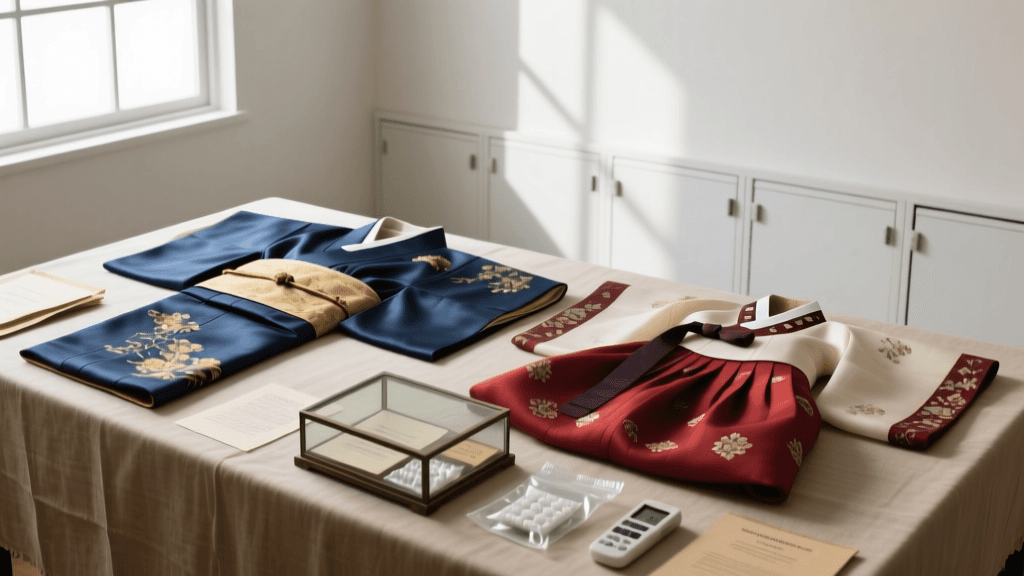
Ceremonial Hanfu, particularly heavily embroidered wedding gowns and delicate silk sacrificial robes, are increasingly viewed as family heirlooms meant to be passed down to the next generation. Proper preservation is critical.
- Cleaning: Never machine wash ceremonial silk. In 2026, specialized eco-friendly silk detergents and professional heritage textile cleaners are the standard for removing oils and sweat after a long ceremony.
- Storage: Garments must be stored flat or rolled around acid-free tissue paper to prevent stress on the fibers. Hanging heavy Ming-style robes can cause the shoulders to tear over time.
- Environment: Store in a cool, dark environment with natural camphor wood blocks to deter moths. Avoid synthetic mothballs, which can chemically react with natural silk proteins and gold-leaf threads, causing irreversible discoloration.
Conclusion
The decision to incorporate Hanfu into family ceremonies is more than a fashion statement; it is a profound act of cultural continuity. Whether you are wrapping a newborn in protective tiger-motif silk, exchanging vows beneath the weight of a Ming Dynasty Phoenix Crown, or bowing in solemn indigo before your ancestors, the garments you choose serve as a bridge between the past and the future. By understanding the historical context, adhering to traditional etiquette, and utilizing modern preservation techniques, families in 2026 can ensure these beautiful traditions endure for generations to come.