2026 Luxury Collaborations: Japanese Sashiko & Nishijin-Ori on Runways
The Paradigm Shift in 2026 Global Fashion
The landscape of international luxury fashion has undergone a profound transformation as we navigate the Spring and Summer 2026 collections. No longer content with superficial motifs or mere aesthetic borrowing, the world's most prestigious design houses are engaging in deep, equitable collaborations with Japanese artisans. This shift marks a renaissance for traditional Japanese garments and textiles, moving them from museum archives directly onto the global runway. At the intersection of Zen spirituality, meticulous weaving methods, and contemporary haute couture, Japanese heritage crafts are redefining what it means to produce luxury goods in 2026.
Historically, the international fashion industry has often appropriated Asian traditions without proper attribution or compensation. However, the 2026 market demands radical transparency and authentic co-creation. European and American luxury conglomerates are now partnering directly with multi-generational shokunin (master artisans) from Kyoto, Tohoku, and Okinawa. These collaborations are not just about creating beautiful garments; they are vital economic engines for craft preservation, ensuring that ancient weaving methods and stitching techniques survive into the late 21st century.
Spotlight on Sashiko: From Rural Mending to Haute Couture
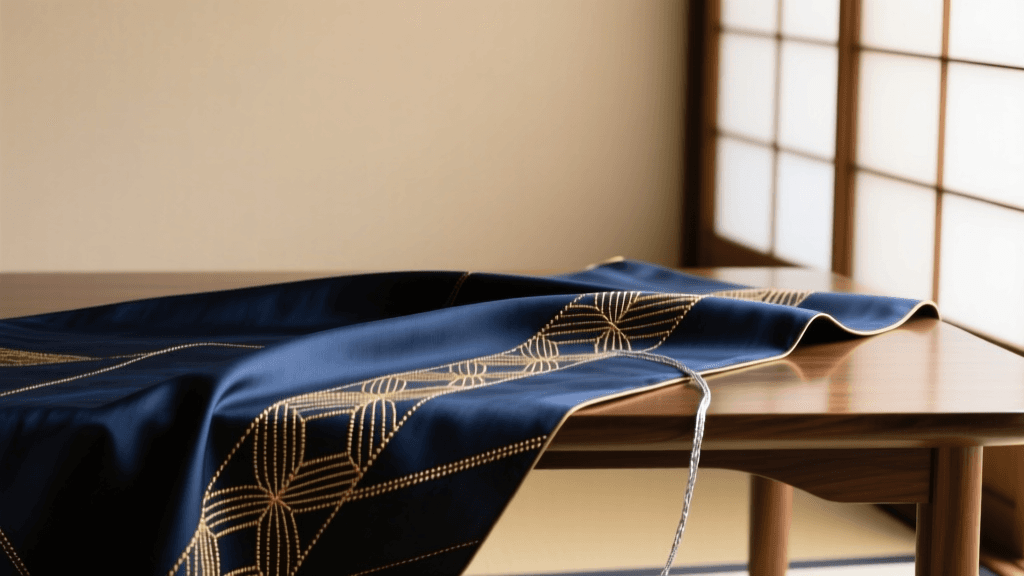
Sashiko, which translates to 'little stabs,' originated in the Edo period as a practical method for rural farmers and fishermen to reinforce and repair worn clothing. Using a simple running stitch and thick cotton thread, artisans created dense, geometric patterns that not only strengthened the fabric but also trapped insulating layers of air. Today, the meditative, Zen-like repetition of Sashiko stitching has captivated the international design community. In 2026, luxury brands are utilizing Sashiko not for mending, but as a primary structural and decorative element in high-end denim, tailored outerwear, and even luxury footwear.
The sensory experience of a Sashiko garment is unparalleled. The raised texture of the cotton thread against the deep, organic indigo of the base fabric creates a tactile landscape that invites touch. For the 2026 Autumn/Winter collections, international designers have worked with masters from the Tohoku region to adapt traditional Sashiko for modern silhouettes, utilizing advanced, fade-resistant natural indigo dyes that meet contemporary sustainability standards.
Key Sashiko Motifs Dominating 2026 Collections
- Asanoha (Hemp Leaf): A geometric star pattern representing rapid, healthy growth. In 2026 collaborations, this motif is frequently scaled up and applied asymmetrically across the shoulders and back of structured wool overcoats.
- Seigaiha (Blue Sea Waves): Concentric circles symbolizing calm seas and good fortune. Luxury streetwear brands are utilizing this pattern in tonal thread colors on technical nylon fabrics, blending ancient symbolism with urban utility.
- Kikkou (Tortoiseshell): Hexagonal shapes denoting longevity and protection. This dense pattern is currently being used to reinforce the elbows and knees of high-end collaborative denim, marrying historical durability with modern bespoke tailoring.
Nishijin-Ori: The Loom of Luxury
While Sashiko represents the beauty of rural utility, Nishijin-ori represents the pinnacle of Japanese aristocratic luxury. Originating in the Nishijin district of Kyoto, this intricate brocade weaving technique involves dyeing the threads before weaving them into complex, multi-layered patterns. The sensory environment of a Nishijin workshop is defined by the rhythmic, percussive clack of the wooden looms and the rich, earthy scent of raw silk and natural dyes.
In 2026, Nishijin-ori has broken free from the confines of the traditional kimono and obi. International accessory houses and eveningwear designers are incorporating these opulent textiles into handbags, bomber jackets, and corsetry. The challenge has been adapting the stiff, heavy nature of traditional brocade to the fluid draping required by modern Western silhouettes. Through collaborative material science, Kyoto weavers and European textile engineers have developed hybrid looms that weave Nishijin patterns using a mix of pure mulberry silk and ultra-fine recycled metallic yarns, resulting in a fabric that is both breathtakingly ornate and remarkably supple.
Comparative Analysis: Heritage vs. Modern Collaboration
To understand the value and production realities of these 2026 partnerships, it is essential to compare traditional garment creation with modern luxury adaptations.
| Feature | Traditional Nishijin-Ori Kimono | 2026 Luxury Collaboration Piece |
|---|---|---|
| Production Time | 3 to 6 months | 4 to 8 weeks (adapted looms) |
| Primary Material | Pure silk, gold/silver leaf | Silk blended with recycled tech-yarns |
| Price Range (USD) | $15,000 - $60,000+ | $3,200 - $9,500 |
| Target Demographic | Ceremonial, elite collectors | Global luxury consumers, streetwear elite |
| Design Control | Artisan and client co-design | Joint creative direction (Brand + Artisan) |
Navigating Authenticity and Cultural Preservation
As the demand for Japanese artisan collaborations surges, so does the market for counterfeit or mass-produced 'Japan-inspired' fast fashion. Distinguishing between a genuine 2026 collaboration and a factory-made imitation requires a keen eye for detail and an understanding of the cultural institutions that protect these crafts.
The Agency for Cultural Affairs, Government of Japan plays a critical role in designating and protecting Intangible Cultural Properties, ensuring that the title of 'master artisan' is strictly regulated. When international brands partner with these designated masters, the resulting garments are typically accompanied by a certificate of authenticity, detailing the specific workshop, the master weaver or stitcher, and the lineage of the technique used.
Furthermore, archives at the Kyoto Costume Institute demonstrate the historical trajectory of Japanese textiles, providing a benchmark for authentic construction methods. Genuine collaborative pieces will feature internal finishing techniques that mirror historical kimono construction, such as hand-rolled seams and hidden stitch lines, even if the external silhouette is a modern trench coat or handbag.
'True luxury in 2026 is not just about the brand name on the tag; it is about the lineage of the hands that wove the fabric and the meditative intent behind every stitch. The collaboration must elevate the artisan, not just the fashion house.'
Actionable Guide for Collectors and Buyers in 2026
For collectors, investors, and fashion enthusiasts looking to acquire pieces from these international Japanese craft collaborations, a strategic approach is necessary. The secondary market for authenticated artisan-luxury collaborations has seen a 40% year-over-year growth in early 2026, making these garments viable alternative assets.
1. Verify the Artisan Lineage
Before purchasing, research the specific artisan or cooperative credited in the collaboration. Look for recognition by the Japan National Tourism Organization or METI's traditional craft designations. If the brand merely states 'inspired by Japanese craftsmanship' without naming a specific region, workshop, or master, it is likely a mass-produced imitation.
2. Inspect the Reverse Side
Authentic Nishijin-ori and hand-stitched Sashiko possess a distinct beauty on the reverse side. In true Sashiko, the back should show neat, rhythmic, and relatively uniform stitching, though slight human imperfections are a hallmark of handwork. Machine-embroidered imitations will feature messy, chaotic bobbin threads on the reverse. For Nishijin-ori, the pattern should be visible and structurally sound on both sides, whereas printed imitations will have a blank or blurred reverse.
3. Understand Care and Preservation
These collaborative pieces require specialized care. The natural indigo used in premium Sashiko collaborations is living and will continue to fade and evolve with exposure to sunlight and friction. Store these garments in breathable cotton garment bags, away from direct UV light. Nishijin-ori blends should never be dry-cleaned with harsh chemicals; seek out specialty textile conservators who understand the interaction between traditional silk and modern metallic yarns.
4. Evaluate the Hardware and Finishing
In 2026, the most prestigious collaborations extend the Japanese aesthetic to the hardware. Look for zippers, clasps, and buttons crafted by traditional Japanese metalworkers using techniques like shakudo (copper-gold alloy) or cast iron. The integration of traditional metalwork with heritage textiles is the ultimate indicator of a comprehensive, deeply respectful design collaboration.
The Future of the Thread
The integration of Japanese traditional garments and techniques into international design collaborations is no longer a fleeting trend; it is a permanent evolution of the luxury paradigm. As we move through 2026, the fusion of Sashiko's Zen-like resilience and Nishijin-ori's aristocratic brilliance with global fashion sensibilities ensures that these ancient crafts will not only survive but thrive. For the wearer, these garments offer more than just aesthetic superiority; they offer a tangible connection to history, a support for rural economies, and a wearable piece of living, breathing art.