Hanfu for Family Ceremonies: 2026 Birth, Wedding & Rites Guide
The 2026 Hanfu Revival: Rooted in Family Milestones
As we navigate through 2026, the global appreciation for traditional Hanfu has matured significantly. What began as a niche streetwear movement has firmly established itself as the premier choice for major Chinese family milestones. Today, families are increasingly turning to historically accurate, meticulously crafted garments to honor their heritage during births, weddings, and ancestral rites. This shift reflects a broader cultural desire for authenticity, sustainability, and deep familial connection in an increasingly digital world.
For modern families, selecting the right ceremonial Hanfu requires an understanding of historical dynastic rules, contemporary fabric innovations, and proper etiquette. Whether you are planning a traditional Hanfu Huli (Han wedding), a baby's Man Yue (Full Moon) celebration, or a solemn Ji Si (ancestral offering), this comprehensive 2026 guide will help you navigate the sartorial requirements of these sacred events.
Birth Celebrations: Man Yue and Bai Ri
In Chinese culture, the first month (Man Yue) and the hundredth day (Bai Ri) of a newborn's life are critical milestones. Historically, infant mortality was high, so these ceremonies were designed to introduce the child to the ancestors and the community while warding off malevolent spirits. In 2026, parents are blending ancient protective motifs with modern, organic textiles.
Infant Garments and Accessories
- Tiger-Head Shoes (Hutou Xie): Hand-embroidered booties featuring fierce tiger faces. The tiger is considered the king of beasts and protects the child from evil spirits. Modern 2026 iterations often use organic cotton and natural plant dyes to protect sensitive infant skin.
- Belly Bands (Dudou): Traditionally embroidered with the 'Five Poisons' (scorpion, centipede, spider, toad, and snake) to act as a spiritual vaccine. Today, artisans use subtle, tone-on-tone silk embroidery for a more refined aesthetic while maintaining the protective symbolism.
- Hundred-Families Coat (Bai Jia Yi): A patchwork jacket made from fabric scraps donated by one hundred friends and family members, symbolizing a community blanket of protection and shared blessings for the child.
Attire for the Parents
For the mother, comfort and modesty are paramount during postpartum ceremonies. The Ming Dynasty-style Aoqun (a lined jacket paired with a pleated skirt) remains the gold standard for 2026. We recommend selecting an Ao with a mandarin collar and side slits, crafted from breathable, sustainable lotus-silk blends. Fathers typically wear a simplified Daopao (a scholar's robe) in auspicious colors like deep burgundy or navy blue, projecting stability and scholarly virtue.
Traditional Hanfu Weddings (Hanfu Huli)
The traditional Han wedding ceremony has seen a massive resurgence, with 2026 marking a peak in demand for museum-quality, historically accurate bridal wear. Unlike modern Western weddings that prioritize the 'white dress,' Hanfu weddings are deeply symbolic, utilizing specific dynastic styles to convey different virtues.
The Three Dominant Wedding Styles
- Zhou Dynasty (Han Style): Characterized by solemnity and simplicity. Brides and grooms wear Xuan Duan (black and red robes) with minimal embroidery. This style is chosen by couples seeking a deeply spiritual, quiet, and ritualistic ceremony focused on the 'bond of two surnames.'
- Tang Dynasty Style: Opulent, vibrant, and cosmopolitan. Brides wear high-waisted Qixiong Ruqun with wide, flowing sleeves and elaborate floral hairpins. This is ideal for grand, festive outdoor garden weddings.
- Ming Dynasty Style (The 2026 Standard): The most popular choice for formal weddings today. The bride wears the iconic Fengguan Xiapei (Phoenix Crown and Cloud Shoulders) paired with a richly embroidered red Yuanlingpao (round-collar robe) or Dashan. The groom wears a Wushamao (black winged hat) and a red robe with a rank badge (Buzi).
Sourcing Ming-Style Bridal Wear in 2026
The crown jewel of the Ming bridal ensemble is the Xiangyunsha (Gambiered Canton Gauze). This intangible cultural heritage fabric, dyed with薯莨 (Dioscorea cirrhosa) tuber juice and coated in river mud, is highly prized for its cooling properties and leather-like sheen. In 2026, genuine Xiangyunsha requires a minimum lead time of six months for custom weaving and tailoring. Couples should expect to invest between $3,500 and $8,000 USD for a fully bespoke, hand-embroidered Ming bridal set, including the intricate metalwork of the Phoenix Crown.
Ancestral Rites (Ji Si) and Qingming Festivals
Ancestral worship is the bedrock of Chinese familial piety. Whether visiting tombs during the Qingming Festival or conducting the Winter Solstice Dongzhi rites at the family shrine, the dress code demands profound respect, humility, and solemnity. Flashy colors, excessive jewelry, and overly flamboyant silhouettes are strictly avoided.
Proper Ritual Attire
The Shenyi (Deep Robe) is the most historically appropriate garment for ancestral rites. As noted by textile historians and collections documented by institutions like the Metropolitan Museum of Art's Asian Art Department, the Shenyi connects the upper and lower garments into one piece, symbolizing the unity of heaven and humanity, and the unbroken lineage of the family tree.
- Color Palette: Slate grey, unbleached hemp white, deep indigo, and muted olive. Bright red and gold are reserved for joyous occasions and are considered disrespectful to the deceased during mourning or solemn remembrance.
- Headwear: Men should wear a simple Wangguan (scholar's cap) or a modest headscarf. Women should keep their hair neatly pinned with unadorned wooden or jade hairpins, avoiding dangling or noisy accessories.
- Footwear: Cloth shoes with thick, layered cotton soles (Budi Xie) in black or white. Leather and modern synthetic sneakers are considered inappropriate for stepping onto sacred ancestral grounds.
2026 Ceremonial Hanfu Comparison Chart
| Ceremony Type | Primary Garment | Key Accessories | Color Palette | 2026 Est. Custom Cost (USD) |
|---|---|---|---|---|
| Birth (Man Yue) | Ming Aoqun (Mother) | Tiger Shoes, Dodou | Soft Red, Peach, Jade | $400 - $900 |
| Wedding (Ming Style) | Fengguan Xiapei, Dashan | Phoenix Crown, Jade Belt | Crimson, Gold, Sapphire | $3,500 - $8,000+ |
| Wedding (Zhou Style) | Xuan Duan, Juebian | Jade Pendants, Leather Belt | Black, Crimson, Bronze | $1,200 - $2,500 |
| Ancestral Rites (Ji Si) | Shenyi, Duan Da | Scholar Cap, Cloth Shoes | Indigo, Hemp, Slate Grey | $300 - $750 |
Sourcing and Tailoring Innovations in 2026
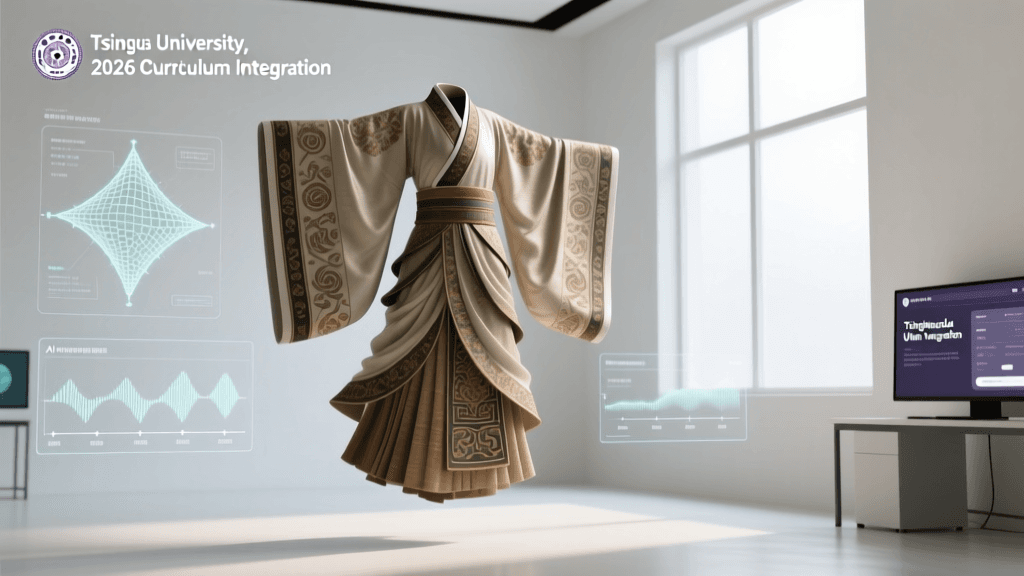
The Hanfu industry in 2026 has embraced cutting-edge technology to solve the historical challenge of remote bespoke tailoring. According to cultural industry reports featured in Sixth Tone, modern Hanfu ateliers now utilize smartphone LiDAR scanners. Clients can perform a 360-degree body scan at home, generating a precise 3D mesh that allows master tailors in Suzhou and Hangzhou to draft patterns with sub-millimeter accuracy, eliminating the need for multiple physical fittings.
Essential Measurements for Custom Orders
If you are ordering from a traditional tailor who still requires manual measurements, ensure you provide the following in centimeters:
- Height and Weight: Crucial for determining the correct robe length and fabric drape.
- Shoulder Width: Measured from the outer edge of one shoulder bone to the other.
- Chest Circumference: Measured at the fullest part, ensuring enough room for the overlapping Jiaoling Youren (right-over-left) collar.
- Arm Length: Measured from the base of the neck, over the shoulder, down to the wrist (or desired sleeve length, as many ceremonial sleeves extend past the fingertips).
- Waist and Hip: Essential for the pleating calculations of Mamianqun (horse-face skirts).
Conclusion: Honoring the Threads of Lineage
Dressing in Hanfu for family ceremonies in 2026 is far more than an aesthetic choice; it is a profound act of cultural continuity. From the protective tiger shoes of a newborn to the solemn deep robes worn before the ancestral altar, these garments carry the weight of history and the warmth of familial love. By investing in historically accurate, sustainably sourced, and properly fitted ceremonial Hanfu, families are not just wearing clothes—they are wrapping themselves in the enduring legacy of their ancestors, ensuring these beautiful traditions thrive for generations to come.