2026 Hanfu Travel Wardrobe: Packing for Multi-Climate Trips
The Rise of the Hanfu Travel Capsule in 2026
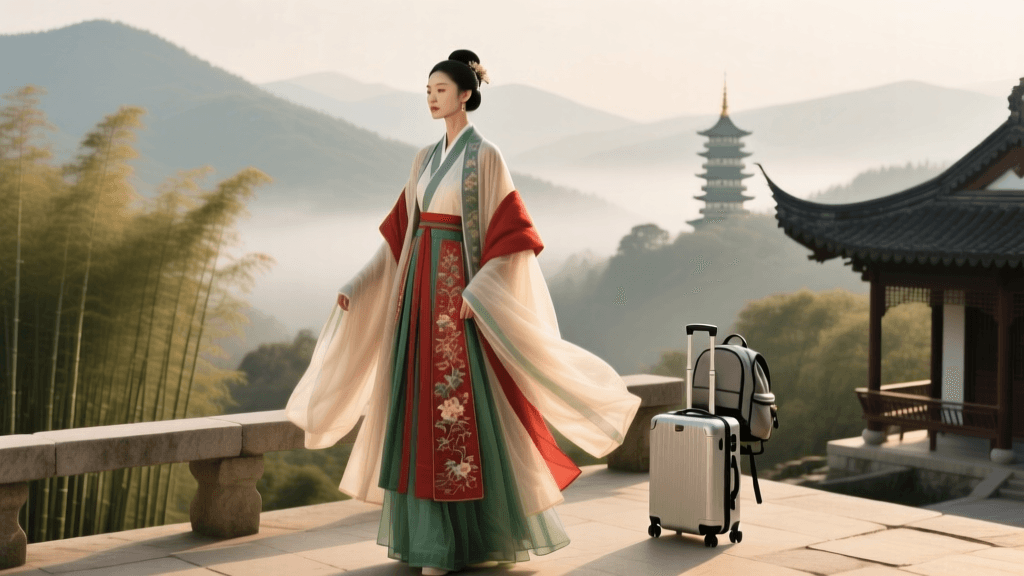
As cultural tourism continues to evolve in 2026, traveling with traditional garments has shifted from a niche hobby to a mainstream lifestyle movement. Whether you are wandering through the ancient, rain-slicked streets of Kyoto, exploring the vibrant, humid night markets of Guangzhou, or braving the crisp, high-altitude winds of Lhasa, wearing Hanfu offers a profound connection to Asian heritage. However, the logistical challenge of packing voluminous, delicate traditional Chinese clothing for multi-climate itineraries requires a strategic approach. The modern Hanfu enthusiast no longer packs a separate outfit for every single day; instead, they rely on a meticulously curated travel capsule wardrobe.
Building a versatile Hanfu travel wardrobe in 2026 means prioritizing garments that offer historical elegance, cross-dynasty styling potential, and advanced textile performance. According to recent cultural tourism reports highlighted by the Ministry of Culture and Tourism of the People's Republic of China, heritage-based travel has surged, prompting textile innovators to create travel-friendly traditional garments that resist wrinkling and adapt to extreme temperature fluctuations. This guide will walk you through the essential pieces, fabric technologies, and packing methodologies required to maintain a flawless Hanfu wardrobe on the go.
Core Garments: The Multi-Climate Hanfu Capsule
A successful travel capsule relies on interchangeability. By selecting specific silhouettes that span different historical eras and climate needs, you can create dozens of outfits from just a few core pieces. Below is the essential packing matrix for the 2026 Hanfu traveler.
| Garment | Dynasty Origin | Climate Suitability | 2026 Fabric Recommendation | Packing Volume |
|---|---|---|---|---|
| Mamianqun (马面裙) | Ming | Versatile (All Seasons) | Tencel-Linen Blend | Medium (Roll tightly) |
| Song Beizi (褙子) | Song | Warm to Hot | Cupro-Silk Crepe | Low (Folds flat) |
| Ming Ao (袄) | Ming | Cold to Freezing | Quilted Eco-Silk Floss | High (Vacuum seal) |
| Tang Banbi (半臂) | Tang | Hot to Humid | Organic Ramie | Low (Folds flat) |
| MoXiong (抹胸) | Various | Base Layer (All) | Bamboo Charcoal Jersey | Minimal |
The Mamianqun remains the undisputed champion of the Hanfu travel wardrobe. Its structured pleats and flat front/back panels allow it to be paired with a traditional Ming dynasty blouse, a modern cashmere turtleneck, or even a simple contemporary silk camisole for a fusion look. The Song Beizi, a long, open-front duster, serves as an elegant layering piece that provides sun protection in the summer and a light windbreak in the spring. For colder destinations, the Ming Ao provides essential insulation without sacrificing the traditional silhouette.
2026 Fabric Innovations: Eco-Friendly and Travel-Ready
Historically, authentic Hanfu was crafted from pure silk or raw hemp—materials that are notoriously difficult to care for while traveling. Pure silk wrinkles at the mere thought of being folded, and raw hemp can feel abrasive against the skin during long transit days. Fortunately, the textile landscape of 2026 has introduced remarkable innovations that honor traditional aesthetics while solving modern travel dilemmas.
Wrinkle-Resistant Blends
Today's premium Hanfu manufacturers are utilizing Tencel-silk and cupro-linen blends. These semi-synthetic, plant-based fibers mimic the lustrous drape and breathability of mulberry silk but possess the structural memory of modern travel wear. A Tencel-linen Mamianqun can be rolled tightly in a packing cube and will naturally release its wrinkles within an hour of being hung in a humid bathroom.
Advanced Natural Dyeing
For travelers who prioritize sustainability, 2026 has seen a renaissance in natural, eco-friendly dyeing methods. Techniques that align with the preservation efforts documented by UNESCO's Intangible Cultural Heritage lists have been modernized with plant-based, color-fast mordants. You can now pack garments dyed with traditional madder root, indigo, and pomegranate rind without the fear of color bleeding onto other items in your suitcase or fading under intense UV exposure during outdoor photoshoots.
The Art of Layering: Adapting to Extreme Climates
Asia's diverse geography means a single trip might expose you to sweltering humidity and biting mountain winds. Mastering the traditional layering system is crucial for comfort and authenticity.
- The Base Layer (Neiyi / MoXiong): Start with a moisture-wicking bamboo charcoal bandeau or lightweight inner shirt. This protects your outer, harder-to-wash silk layers from sweat and body oils, especially critical in the humid climates of Southeast Asia or southern China.
- The Mid Layer (Shan / Ru): This is your primary top. In hot weather, opt for a sheer, unlined ramie Shan. In cooler weather, choose a lined, mandarin-collar blouse that traps heat close to the body.
- The Outer Layer (Beizi / Pifeng / Ao): This dictates your silhouette and weather protection. A sheer Song dynasty Pifeng offers elegant sun protection, while a thick, quilted Ming dynasty cloak (Doupeng) acts as a wearable sleeping bag for freezing outdoor excursions.
When transitioning from an air-conditioned high-speed rail car to the humid outdoors, the outer duster can be easily slipped off and folded into a dedicated silk pouch, maintaining your outfit's historical accuracy while regulating your body temperature.
Essential Packing Gear and On-the-Go Garment Care
Packing traditional garments requires specialized gear to protect delicate embroidery, maintain pleats, and prevent odor buildup. Leave the standard plastic dry-cleaning bags at home; they trap moisture and cause mildew. Instead, invest in the following 2026 travel essentials:
- Dual-Voltage Handheld Steamer: A compact, 1000W travel steamer is non-negotiable. Look for models with a ceramic soleplate and a specialized brush attachment designed for delicate silks and heavy pleats. Steaming not only removes wrinkles but also sanitizes the fabric between wears.
- Acid-Free Tissue and Silk Pouches: Never fold embroidered areas directly against each other. Stuff sleeves and bodices with acid-free tissue paper to maintain their three-dimensional shape, and store each garment in a breathable, drawstring silk pouch to prevent friction damage.
- Cedar Wood Rings and Bamboo Charcoal: To keep your garments smelling fresh in a closed suitcase, pack a few natural cedar wood rings and bamboo charcoal sachets. They absorb ambient moisture and neutralize odors without the use of harsh chemical perfumes that could degrade natural silk fibers.
- Portable Pleat Clips: For Mamianqun skirts, use specialized velvet-lined clips to secure the pleats while rolling the garment. This ensures the sharp, knife-edge pleats remain perfectly intact upon arrival.
Cultural Etiquette and Destination Styling
Wearing Hanfu while traveling is a beautiful way to engage with local cultures, but it must be done with respect and historical mindfulness. Institutions dedicated to textile history, such as the Victoria and Albert Museum's Asia Collections, emphasize the importance of understanding the context of historical garments. When styling your travel capsule, always ensure your collar wraps correctly: the left side must always cross over the right side (交领右衽). Reversing this is traditionally reserved for mourning and is considered highly inauspicious.
Furthermore, consider the destination's cultural norms. While wearing a vibrant, heavily embroidered Ming dynasty Aoqun is perfectly suited for a visit to the Forbidden City or a traditional tea house in Chengdu, a more subdued, minimalist Song dynasty ensemble is often more appropriate for quiet temple visits or solemn historical memorials. By curating a capsule wardrobe that includes both vibrant statement pieces and understated, elegant basics, you ensure that your sartorial choices are always respectful, comfortable, and visually stunning, no matter where your 2026 travels take you.