Top Chinese Fashion Blogs Covering Heritage Eco-Dyes 2026
The New Wave of Chinese Fashion Journalism
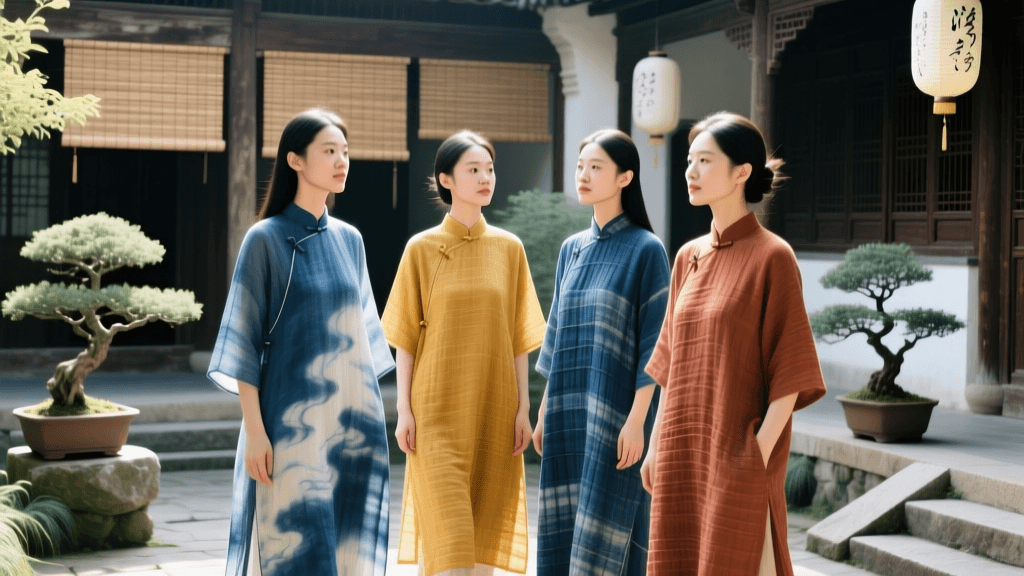
In 2026, the landscape of Chinese fashion journalism has undergone a radical transformation. The era of superficial street-style photography and rapid trend-reporting has given way to deep-dive textile anthropology. Today’s most influential Chinese fashion bloggers and content creators are acting as cultural preservationists, documenting the intricate, natural eco-friendly dyeing methods of traditional Chinese clothing. Platforms like Xiaohongshu (RED), Bilibili, and WeChat are now hosting long-form photo essays and cinematic video journals that explore the intersection of sustainability, heritage craftsmanship, and modern luxury.
This shift is heavily driven by the 'Guochao' (national trend) movement, which has matured from a simple aesthetic preference into a rigorous demand for historical accuracy and sustainable sourcing. According to industry analyses from Jing Daily, modern Chinese consumers are increasingly scrutinizing the supply chains of their garments, favoring creators who can authentically trace a piece of fabric from the soil to the runway. Consequently, a new breed of fashion journalist has emerged—one who spends less time at Shanghai Fashion Week and more time in the muddy dye pits of Guangdong and the indigo fields of Guizhou.
Why Heritage Eco-Dyes Dominate 2026 Content
For contemporary Chinese fashion creators, natural eco-dyes represent the ultimate storytelling medium. Unlike synthetic chemical dyes, heritage dyes require a profound understanding of botany, climate, and regional geography. The two most prominent subjects in 2026’s digital fashion journalism are Xiangyunsha (gambiered silk) and Guizhou indigo.
Xiangyunsha: The Mud-Coated Silk of Guangdong
Xiangyunsha is a highly prized silk dyed using the juice of the Dioscorea cirrhosa tuber and coated with iron-rich mud from the Pearl River Delta. Fashion journalists covering this textile must understand the extreme climate adaptations required for its production. The dyeing process can only occur during specific high-humidity windows between April and October. Creators are now using drone photography and time-lapse macro videography to document the 'sun-baking' process, where silk is stretched across grassy fields to oxidize. The resulting fabric is water-resistant, naturally cooling, and possesses a distinct crackled texture that synthetic alternatives cannot replicate.
Guizhou Indigo and the Miao Artisans
In the mountainous regions of Guizhou, fashion bloggers are embedding themselves with Miao and Dong ethnic minority artisans to document the cultivation of Strobilanthes cusia (the indigo plant). The journalism here focuses on the fermentation process of the indigo vats, which requires daily feeding with rice wine and careful pH balancing. Content creators are highlighting how these ancient wellness and meditation practices intertwine with the rhythmic, repetitive pounding of the dyed cloth, which gives it a distinctive metallic sheen.
'The modern Chinese fashion journalist is no longer just a critic; they are an archivist. By documenting the exact fermentation temperatures of an indigo vat or the iron-to-tannin ratios in Xiangyunsha, creators are saving endangered knowledge from extinction.' — Editorial Director, Shanghai Textile Heritage Institute.
Platform Comparison for Textile Creators in 2026
Choosing the right platform is critical for fashion journalists focusing on niche traditional garments. Below is a comparison of the primary digital ecosystems used by Chinese content creators this year.
| Platform | Best Content Format | Target Demographic | Monetization Strategy |
|---|---|---|---|
| Xiaohongshu (RED) | High-res photo carousels, short-form aesthetic vlogs, sourcing guides | Urban millennials and Gen Z, luxury consumers, eco-conscious buyers | Brand partnerships, affiliate links for artisanal boutiques, paid consulting |
| Bilibili | Long-form documentary video essays (20-45 mins), deep-dive chemistry explanations | Gen Z, students, design professionals, history enthusiasts | Platform creator grants, premium masterclasses, crowd-funded field trips |
| WeChat Official Accounts | Long-form editorial articles, interviews, supply-chain investigations | Industry insiders, older affluent collectors, fashion academics | Paid newsletters, B2B consulting, archival licensing to global fashion houses |
| Douyin | ASMR dyeing sounds, rapid transformation clips, live-streaming from workshops | Mass market, lower-tier city consumers, impulse buyers | Live-commerce sales of finished garments, direct-to-consumer dye kits |
Actionable Guide: Launching a Heritage Textile Blog
For aspiring fashion journalists and content creators looking to enter the niche of traditional Chinese eco-dyes in 2026, success requires meticulous planning, specialized gear, and respectful community integration. Here is a practical blueprint for building an authoritative platform.
Step 1: Field Research and Sourcing Logistics
Authenticity is your primary currency. You cannot report on Xiangyunsha from a studio in Beijing; you must travel to Shatoujiao in Shunde, Guangdong. Budgeting for field journalism is essential. In 2026, a standard two-week research trip to the Pearl River Delta and Guizhou requires approximately 15,000 RMB (approx. $2,100 USD). This covers high-speed rail transit, rural homestays, and 'apprenticeship fees' paid to master dyers for the privilege of documenting their proprietary vat recipes.
- Timing: Plan trips to Guangdong strictly between May and August to capture the peak sun-baking season. For Guizhou indigo, late September is ideal for the final harvest and vat preparation.
- Etiquette: Always bring high-quality gifts (such as premium tea or regional specialties) when approaching master artisans. Never film the exact measurements of their dye formulas without explicit, compensated permission.
Step 2: Essential Gear for Textile Journalism
Documenting the microscopic details of natural dyes requires specialized equipment. Standard fashion photography gear will not suffice when capturing the crackled mud-coating on gambiered silk or the weave density of hand-loomed hemp.
- Camera Body: The Sony A7IV remains the industry standard in 2026 for its exceptional dynamic range, crucial for capturing the deep, complex blacks of natural indigo without losing shadow detail (approx. 14,500 RMB).
- Macro Lens: The Laowa 24mm f/14 Probe Lens (approx. 6,800 RMB) is mandatory. It allows creators to slide the lens directly into dye vats or inches away from the loom, providing viewers with an immersive, microscopic view of the fiber absorption.
- Lighting: Natural dyes shift color dramatically under different light temperatures. Invest in portable LED panels with a CRI (Color Rendering Index) of 97 or higher to ensure the exact hue of the Dioscorea cirrhosa dye is accurately represented on digital screens.
Step 3: Interviewing and Narrative Structuring
When interviewing traditional artisans, avoid superficial questions about 'inspiration.' Instead, focus on the extreme climate adaptations and material science of their craft. Ask how unseasonal rains in 2026 have affected the tannin extraction from the river mud, or how they adjust the alkalinity of their indigo vats during winter freezes. As noted by cultural correspondents at the South China Morning Post, the commercialization of heritage crafts relies heavily on educating the consumer about the immense labor and environmental harmony required to produce these textiles.
The Future of Niche Fashion Journalism
As global fashion houses face increasing pressure to adopt sustainable, eco-friendly practices, the knowledge held by Chinese traditional dyers is becoming invaluable. Chinese fashion journalists who specialize in this niche are no longer just bloggers; they are vital conduits between ancient Asian traditions and the future of global sustainable fashion. By committing to rigorous field journalism, investing in the right macro-photography tools, and respecting the intellectual property of rural artisans, content creators can build highly profitable, culturally significant platforms that will define the digital preservation of Asian heritage for decades to come.