Buying Authentic Nishijin-Ori Obi Online: 2026 Market Guide
The 2026 Landscape of Nishijin-Ori Digital Shopping
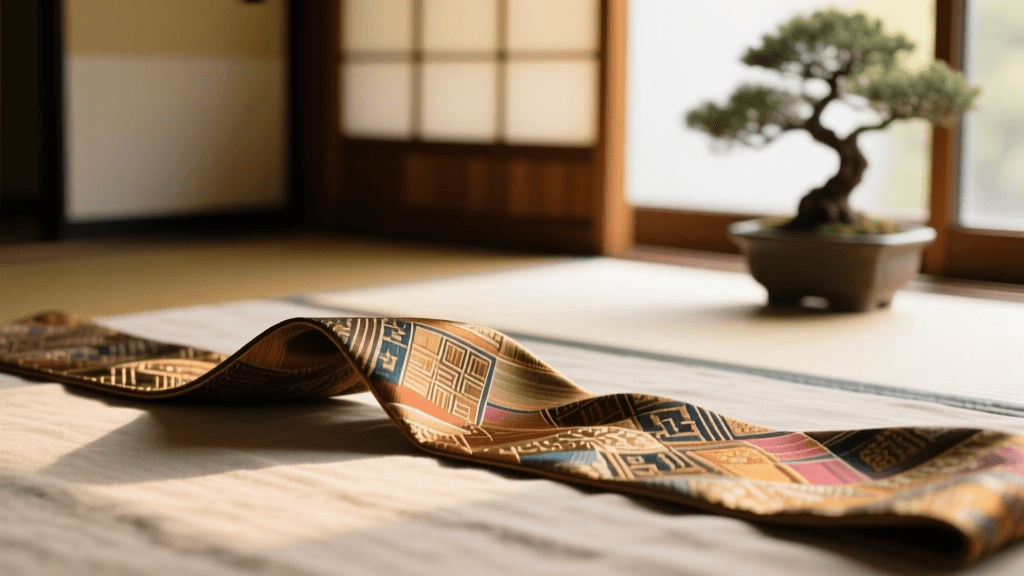
The Nishijin district of Kyoto has been the beating heart of Japanese textile weaving for over a millennium. Renowned for its intricate, multi-colored brocades and lavish use of gold and silver threads, Nishijin-ori represents the pinnacle of Japanese sartorial artistry. For collectors, practitioners of traditional arts, and fashion enthusiasts, acquiring an authentic Nishijin-ori obi (the sash used to secure a kimono) is a lifelong goal. Historically, sourcing these masterpieces required a physical pilgrimage to Kyoto's specialized boutiques. However, as of 2026, the digital marketplace has completely transformed how global buyers access these heritage garments.
Thanks to advancements in cross-border e-commerce, AI-driven proxy translation, and specialized auction platforms, buyers from New York to London can now source authentic, hand-woven obi belts directly from Japanese weavers and vintage archives. Yet, this accessibility brings a new challenge: navigating a sea of mass-produced imitations and understanding the nuanced grading systems of Japanese online marketplaces. This comprehensive guide will walk you through the exact platforms, search strategies, and verification techniques required to confidently buy authentic Nishijin-ori obi online in 2026.
Understanding Obi Classifications Before You Shop
Before entering a search query into a Japanese marketplace, you must understand the structural classifications of the obi. The price, formality, and weaving density vary drastically across these types. According to the Nishijin Textile Center, the weaving technique must be matched to the garment's intended use.
- Maru Obi (丸帯): The most formal and heaviest type. Woven with patterns on both sides and often heavily brocaded with gold foil. Measuring approximately 33cm in width and 420cm in length, these are rare, incredibly expensive, and mostly reserved for brides or museum collections.
- Fukuro Obi (袋帯): The standard for formal wear. Woven with a design on the front and a plain or subtly patterned back. Measuring about 31cm by 420cm, this is the most sought-after category for collectors seeking high-end Nishijin brocade for tea ceremonies and weddings.
- Nagoya Obi (名古屋帯): Designed for semi-formal to everyday wear. It is pre-folded and sewn to make tying easier, measuring roughly 31cm by 320cm. Nishijin Nagoya obi feature exquisite but more subdued woven patterns, making them highly practical for modern styling.
- Hanhaba Obi (半幅帯): A casual, half-width obi (approx. 15cm by 300cm) worn with yukata or casual kimono. While beautiful, these rarely feature the complex, heavy brocade techniques Nishijin is famous for.
Top Online Marketplaces for Authentic Obi in 2026
The Japanese e-commerce ecosystem is vast, but only a few platforms are viable for international buyers seeking authentic Nishijin textiles. Here is how the top marketplaces compare this year.
1. Yahoo! Auctions Japan (Yahuoku)
For vintage and pre-owned Nishijin-ori, Yahoo! Auctions remains the undisputed king. In 2026, many historic Kyoto kimono rental shops and estate liquidators use Yahuoku to offload premium inventory. You can find unworn, dead-stock Fukuro obi from the 1980s and 1990s—the golden era of Japan's bubble economy, where weaving budgets were virtually limitless. The catch? The platform is entirely in Japanese, and sellers rarely ship overseas. You must use a proxy bidding service (detailed below).
2. Rakuten and Yahoo! Shopping Japan
If you prefer buying brand-new, certified pieces directly from active weaving houses, Rakuten is your best destination. Many multi-generational Nishijin families now operate digital storefronts here. When shopping on Rakuten, look for the official "Traditional Craft Product" (Dento Mark) certification in the product description, which guarantees the piece was hand-woven in Kyoto using traditional silk and looms.
3. Specialized English-Friendly Boutiques
Platforms like Ichiroya and Kimono Yamato cater specifically to the international market. While their prices carry a premium compared to domestic auctions, they offer meticulous English descriptions, professional photography showing the foil stamps, and direct international shipping. They are ideal for beginners who want guaranteed authenticity without the learning curve of Japanese auction sites.
Decoding Japanese Search Terms
To unlock the best inventory on domestic sites like Mercari Japan or Yahuoku, you must search using Kanji. Copy and paste these exact terms into your marketplace search bars:
- 西陣織 (Nishijin-ori): The base term for the textile.
- 西陣織 袋帯 (Nishijin-ori Fukuro Obi): For formal brocade sashes.
- 西陣織 名古屋帯 (Nishijin-ori Nagoya Obi): For semi-formal sashes.
- 未使用 (Mishiyou): Unused / Deadstock. Crucial for finding pristine vintage.
- 正絹 (Shouken): Pure silk. Always pair this with your search to filter out synthetic blends.
Verifying Authenticity: The Foil Stamp and the Kiss
As the Victoria and Albert Museum notes in its extensive archives on Japanese dress, the structural integrity and provenance of a kimono sash are paramount to its cultural value. When evaluating listings online, rely on these two visual markers:
The Foil Stamp (Rakkin): Authentic Nishijin-ori obi feature a small, stamped gold or silver foil seal on the inside lining near the end of the belt. This stamp indicates the specific weaving house, the artisan guild, or the traditional craft certification. If a listing does not show a clear, close-up photo of this stamp, request one from the seller or move on.
The Kiss (Kiss-haba): This refers to the folded edge of the obi. High-end Nishijin weavers fold the fabric so meticulously that the pattern aligns perfectly across the seam. Mass-produced or lower-tier machine-woven obi often show misalignment at the fold. Zoom in on the edge photos to check for this hallmark of master craftsmanship.
2026 Pricing and Budgeting Guide
Understanding current market values is essential to avoid overpaying or falling for scams. The table below outlines the average 2026 pricing for authentic Nishijin-ori across different purchasing channels.
| Obi Type | Condition | Y! Auctions (Proxy) | Specialized Boutique | Rakuten (New) |
|---|---|---|---|---|
| Fukuro Obi | Vintage / Excellent | $150 - $400 | $450 - $800 | N/A |
| Fukuro Obi | New / Deadstock | $500 - $900 | $900 - $1,500 | $1,200 - $3,000+ |
| Nagoya Obi | Vintage / Excellent | $60 - $180 | $200 - $400 | N/A |
| Nagoya Obi | New / Certified | $250 - $500 | $400 - $700 | $600 - $1,200 |
Note: Prices are estimated in USD based on early 2026 exchange rates and do not include proxy fees or international shipping.
Navigating Proxy Services and 2026 Shipping Realities
If you are buying from Yahoo! Auctions or Mercari Japan, a proxy service is mandatory. In 2026, services like Buyee, ZenMarket, and Neokyo dominate the space. They provide you with a Japanese warehouse address, bid on your behalf, and consolidate your items before shipping them overseas.
Pro-Tip for 2026: Obi belts are heavy, often weighing between 400g and 800g. Silk is also highly susceptible to moisture and crushing. When setting up your proxy shipment, always select the "Add Protective Packaging" option (usually a $2-$5 fee) to ensure the obi is wrapped in bubble wrap and stiff cardboard. For shipping methods, avoid standard surface mail, which can take up to 90 days and expose the silk to fluctuating cargo-hold temperatures. Opt for DHL or FedEx Express, which typically deliver from Kyoto to North America or Europe in under a week, ensuring your silk arrives in pristine condition.
Post-Purchase Care: Preserving Your Investment
Once your Nishijin-ori obi arrives, proper storage is critical. Never store silk in plastic bags, as this traps moisture and encourages mildew. Instead, wrap the obi in acid-free tissue paper or traditional Japanese tatami paper (tatoushi). Store it flat in a drawer or a traditional paulownia wood box (kiri-bako), which naturally regulates humidity and repels insects. If you live in a highly humid climate, consider placing a silica gel desiccant packet in the storage area, but ensure it does not directly touch the silk or the delicate metallic threads.
Conclusion
Sourcing an authentic Nishijin-ori obi online in 2026 is a rewarding pursuit that bridges centuries of Japanese heritage with modern global e-commerce. By understanding the structural types of obi, utilizing precise Kanji search terms, leveraging reliable proxy services, and rigorously verifying foil stamps, you can build a world-class collection of Kyoto's finest textiles from anywhere in the world. Take your time, study the weavers' marks, and enjoy the hunt for these wearable masterpieces.