Kimono Travel Essentials 2026: Ultimate Packing Kit & Where To Wear
The Modern Kimono Traveler: Navigating Japan in 2026
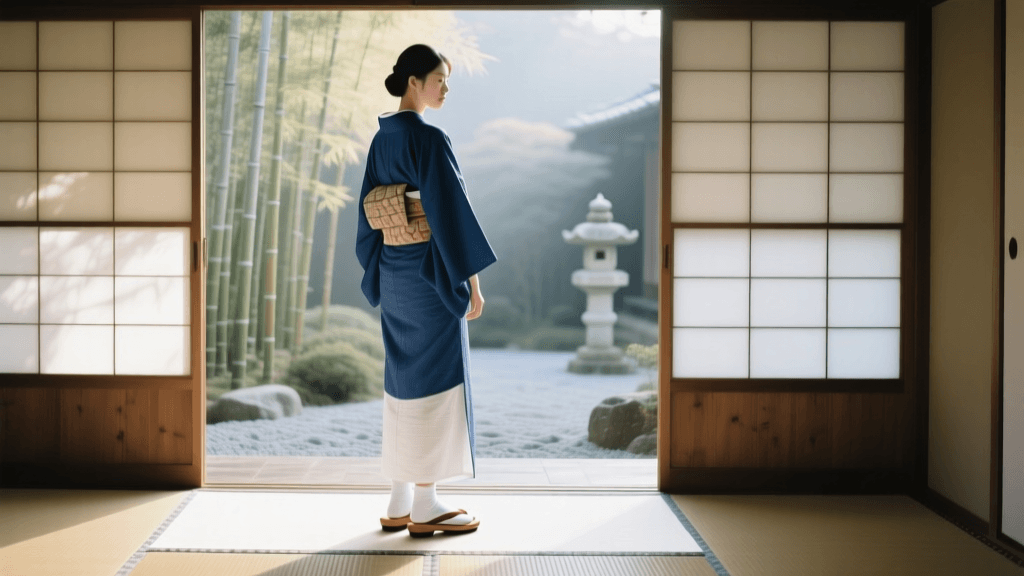
Traveling to Japan in 2026 offers an unprecedented opportunity to immerse yourself in the living history of Asian traditions. The kimono, a globally recognized symbol of Japanese heritage, has evolved in the travel space. While renting garments at local shops remains popular, a growing movement of slow-travel enthusiasts and textile aficionados are choosing to pack, style, and wear their own kimono and yukata collections. This approach allows for deeper cultural appreciation, personalized styling, and the ability to explore off-the-beaten-path locations without being tethered to rental shop return times.
However, traveling with traditional Japanese garments requires meticulous planning. Silk wrinkles, obi sashes are bulky, and the layering system demands specific accessories. Whether you are a seasoned kitsuke (kimono dressing) practitioner or a beginner traveling with modern, washable two-piece sets, this comprehensive 2026 guide covers exactly what to pack, how to care for your garments on the road, and the most breathtaking, kimono-friendly destinations to showcase your attire.
The Ultimate Kimono Packing Checklist for 2026
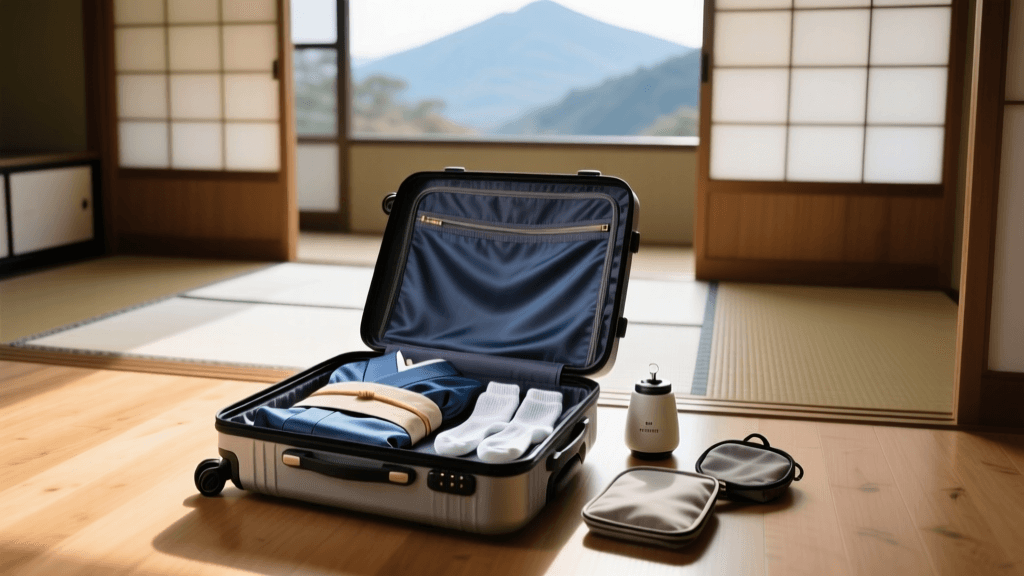
Packing a kimono is not as simple as folding a dress and placing it in a suitcase. The structural integrity of the garment and its numerous accessories require a dedicated packing strategy. Below is the essential checklist for the modern traveling kitsuke enthusiast.
Core Garments & Outerwear
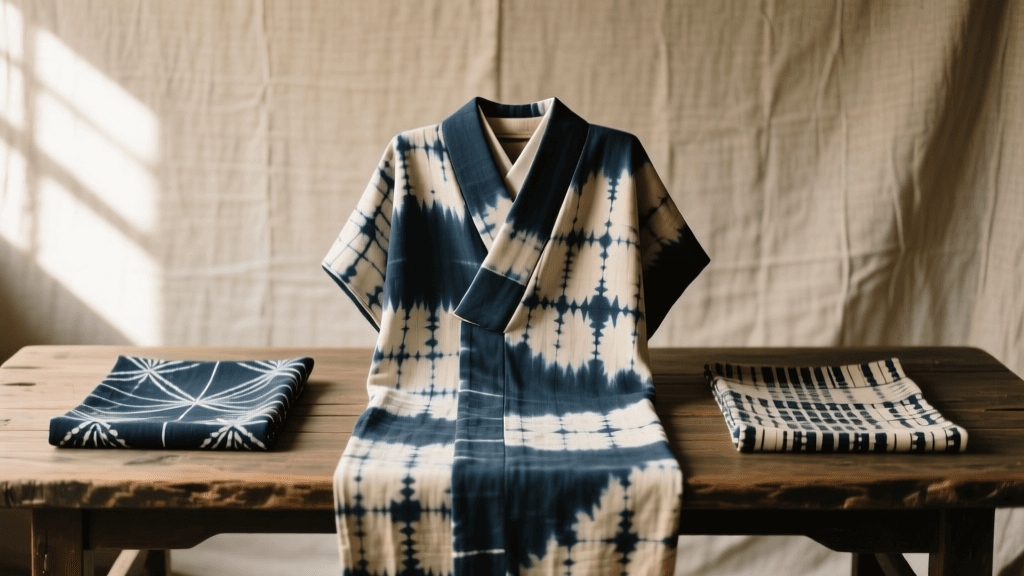
- Komon or Tsumugi Kimono: For daytime travel, pack a komon (casual kimono with repeating patterns) or tsumugi (pongee silk/cotton blend). In 2026, high-quality washable polyester blends that mimic the texture of raw silk are incredibly popular for travel due to their wrinkle resistance.
- Yukata: Essential for summer travel or relaxing at a traditional ryokan. Cotton or linen-blend yukata are breathable and easy to roll tightly without creasing.
- Hanhaba Obi: A half-width sash that is easier to tie, lighter to pack, and perfect for casual daytime wear. Bring two: one solid color and one patterned to mix and match.
- Michiyuki or Haori: A lightweight kimono coat or jacket is vital for air-conditioned trains, chilly spring evenings, or autumn travel. It also adds a sophisticated layer to your silhouette.
Essential Underlayers & Tying Tools
The foundation of a well-worn kimono lies in its undergarments and ties. Without these, the garment will not drape correctly.
- Hadajuban & Susoyoke: The cotton under-shirt and slip skirt. Modern stretch-jersey versions are highly recommended for travel as they do not wrinkle and offer superior comfort during long walking days.
- Han-eri (Detachable Collar): Instead of packing a full nagajuban (under-kimono), use a han-eri attached to your hadajuban to simulate the layered collar look.
- Koshihimo: Pack at least four cotton tying sashes. These are crucial for securing the kimono at the waist and hips. Mohair versions grip better but cotton is easier to wash in a hotel sink.
- Datejime: Wide elastic or silk bands used to flatten the chest and waist area before tying the obi. Elastic datejime with velcro or clips are a modern traveler's best friend.
- Obi Ita & Obi Makura: The belt board (to keep the obi flat) and the obi pillow (to support the knot). Look for travel-sized, flexible mesh boards that can be rolled.
Modern Travel Hacks & Care Products
Maintaining pristine garments in a hotel room requires the right tools. In 2026, compact garment care technology has made on-the-road kitsuke much more accessible.
- Portable Garment Steamer: A dual-voltage, handheld travel steamer (such as the latest Panasonic compact models) is non-negotiable for removing stubborn fold lines from silk.
- Kao Style Fit Wrinkle Releaser: A staple in Japanese laundry care. This travel-sized spray relaxes fabric fibers, allowing you to smooth out minor wrinkles by hand without needing a full steam session.
- Kimono Hangers: Do not use standard Western hangers. Pack two collapsible bamboo or wide-shoulder kimono hangers to air out your garments overnight.
- Compression Packing Cubes: Use these to compress bulky obi sashes and jackets, saving valuable luggage space while protecting the textiles from dust.
Traditional vs. Travel-Friendly Kimono Gear
When curating your travel wardrobe, swapping out a few traditional items for their modern, travel-optimized counterparts can save you hours of frustration. The following comparison chart highlights the best substitutions for the 2026 traveler.
| Item Category | Traditional Choice | 2026 Travel-Friendly Alternative |
|---|---|---|
| Fabric Material | 100% Silk (Requires professional dry cleaning) | Washable Polyester, Cotton-Linen Blends, or Rayon |
| Collar Layering | Nagajuban (Full-length under-kimono) | Han-eri (Detachable collar on a short hadajuban) |
| Footwear | Stiff Woven Cotton Tabi | Stretch-Jersey Tabi with Cushioned Soles |
| Obi Sash | Fukuro Obi (Heavy, formal, requires complex tying) | Pre-tied Hanhaba Obi or Lightweight Heko Obi |
| Wrinkle Care | Heavy iron with specialized pressing cloths | Handheld steamer & fiber-relaxing wrinkle spray |
Where to Wear: Top Kimono-Friendly Destinations
Japan is exceptionally welcoming to kimono wearers, but certain cities and districts offer the most photogenic backdrops, rental support infrastructure, and culturally resonant atmospheres.
Kyoto: The Classic Canvas
Kyoto remains the undisputed capital of kimono culture. However, navigating the crowds in 2026 requires strategic planning. While the Gion district is famous, recent local ordinances strictly prohibit photography on private streets to protect the privacy of working geisha and maiko. Instead, take your kimono stroll through the Higashiyama District (specifically Ninenzaka and Sannenzaka), where the preserved wooden machiya townhouses and stone-paved paths provide a stunning Edo-period backdrop. For a more serene, nature-focused experience, the Philosopher's Path near Ginkaku-ji offers beautiful seasonal foliage and wide, comfortable walking paths that accommodate the restrictive stride of a kimono.
Kanazawa: The Samurai & Geisha Districts
Often called 'Little Kyoto,' Kanazawa is a premier destination for textile lovers. The city is home to the Higashi Chaya District, a beautifully preserved geisha district where you can sip matcha in traditional tea houses. Kanazawa is also famous for its Kaga Yuzen dyeing tradition. Wearing a kimono while strolling through the meticulously landscaped Kenrokuen Garden—especially during the winter snow-hanging (yukitsuri) season or the spring plum blossoms—is an unforgettable experience. The city's flat terrain and wide sidewalks make it significantly easier to navigate in traditional footwear than Kyoto's hilly regions.
Kawagoe: Alpine Elegance and Edo Nostalgia
Just a short train ride from Tokyo, Kawagoe is known for its Kurazukuri (clay-walled warehouse) district. It offers a fantastic day-trip opportunity for travelers based in the capital who wish to wear a kimono without the overwhelming crowds of Asakusa. The 'Little Edo' atmosphere is perfectly complemented by the iconic Toki no Kane (Time Bell Tower). The flat, pedestrian-friendly streets are lined with sweet potato snack vendors and traditional craft shops, making it an ideal, relaxed environment for practicing your kitsuke and enjoying a leisurely afternoon.
Cultural Etiquette and Respect: Wearing Kimono as a Traveler
Wearing a kimono as a foreign visitor is generally viewed with immense appreciation by the Japanese public, provided it is done with respect for the garment's cultural significance. The most critical rule of kimono dressing is the collar orientation: the left side must always overlap the right side. Wrapping the right side over the left is strictly reserved for dressing the deceased for funerals and is considered highly inauspicious.
Furthermore, travelers must be mindful of their surroundings and the preservation of historic sites. The Japan National Tourism Organization consistently emphasizes the importance of responsible tourism, reminding visitors to respect private properties, avoid blocking narrow streets for photographs, and behave with decorum in sacred shrine and temple grounds. When visiting shrines, it is customary to bow before passing through the torii gate and to walk along the edges of the path, leaving the center for the deities.
Supporting the artisan communities that keep these traditions alive is another vital aspect of modern kimono travel. The Agency for Cultural Affairs actively promotes the preservation of intangible cultural heritage, including traditional textile crafts like Nishijin weaving and Kaga Yuzen dyeing. When shopping for accessories, tenugui (hand towels), or vintage garments, seek out established local artisans and certified traditional craft shops rather than purchasing mass-produced, imported souvenirs. This ensures your travel budget directly supports the continuation of these exquisite Asian traditions.
'Wearing a kimono is not merely putting on a costume; it is an act of participating in a centuries-old dialogue between fabric, body, and environment. When you travel with your own garments, you carry that dialogue with you across borders.'
Conclusion
Embarking on a kimono-clad journey through Japan in 2026 is a deeply rewarding endeavor that bridges the gap between historical appreciation and modern travel logistics. By packing smart, utilizing contemporary garment care tools, and selecting destinations that align with both your aesthetic desires and comfort levels, you can fully embrace the elegance of Japanese traditional fashion. Remember to pack your stretch tabi, double-check your collar overlap, and step out into the timeless streets of Japan with confidence and respect.