Hanfu Family Ceremonies 2026: Birth, Wedding & Ancestral Rites
The Hanfu Revival: Anchoring Family Milestones in 2026
As we navigate through 2026, the global Hanfu movement has evolved far beyond a mere fashion trend; it has become a profound cultural anchor for major family milestones. Across Asia and within the global diaspora, families are increasingly turning to traditional Han Chinese clothing to mark life’s most significant transitions. From the delicate bamboo-silk wraps of a newborn’s first 100 days to the opulent, gold-threaded Mangfu of a traditional wedding, and the solemn, indigo-dyed Shenyi worn during ancestral rites, Hanfu provides a tangible link to centuries of heritage.
According to the Metropolitan Museum of Art, the continuity of Chinese dress reflects deep-seated philosophical and social values, where every fold, color, and motif carries cosmological significance. In 2026, modern families are blending these ancient sartorial rules with contemporary sustainable textiles and AI-assisted tailoring, creating a ceremonial wardrobe that is both historically grounded and highly practical. This comprehensive guide explores exactly how to dress for birth ceremonies, weddings, and ancestral worship in the modern era.
Birth and Early Milestones: San Zhao, Bairi, and Zhuazhou
The arrival of a child is marked by a series of traditional celebrations, most notably the San Zhao (third-day bathing ceremony), the Bairi (100-day celebration), and the Zhuazhou (first birthday). In 2026, infant Hanfu design prioritizes both auspicious symbolism and stringent modern safety standards.
Auspicious Motifs and Modern Safety
Historically, infants were dressed in garments featuring tiger-head motifs to ward off evil spirits. Today, leading Hanfu ateliers have replaced traditional glass bead eyes and small button attachments with high-density, flat-lock embroidery to eliminate choking hazards. The Hutoumao (tiger-head hat) and matching booties remain a staple for the 100-day celebration, but they are now crafted from GOTS-certified organic cotton and hypoallergenic bamboo-silk blends that regulate an infant's body temperature.
The Zhuazhou (First Birthday) Wardrobe
For the first birthday, toddlers are often dressed in miniature versions of the Aoqun (jacket and skirt) or Ruqun.
- Color Palette: Soft pastels, peach, and vibrant crimson are preferred to symbolize vitality and joy.
- Fastenings: The 2026 market standard for infant Hanfu features hidden magnetic closures disguised as traditional knotted buttons (Pankou), allowing parents to dress squirming toddlers without the frustration of tying intricate silk knots.
- Accessories: Silver longevity locks (Changmingsuo) are worn over the collar, but modern iterations use lightweight, rounded-edge recycled silver to prevent skin irritation.
Traditional Hanfu Weddings: A 2026 Sourcing and Styling Guide
The traditional Hanfu wedding has seen a massive surge in popularity, with many couples in 2026 opting for historically accurate dynasty-specific attire over Western-style white gowns or Qing-era Qungua. The choice of dynasty dictates the silhouette, color palette, and ceremonial mood.
Dynasty Styles Compared
When planning a Hanfu wedding, couples must choose a historical anchor. Below is a comparison of the three most popular dynasty styles for weddings in 2026, including current market pricing for bespoke, made-to-measure sets.
| Dynasty Style | Key Garments | Color Palette & Motifs | 2026 Custom Price (USD) |
|---|---|---|---|
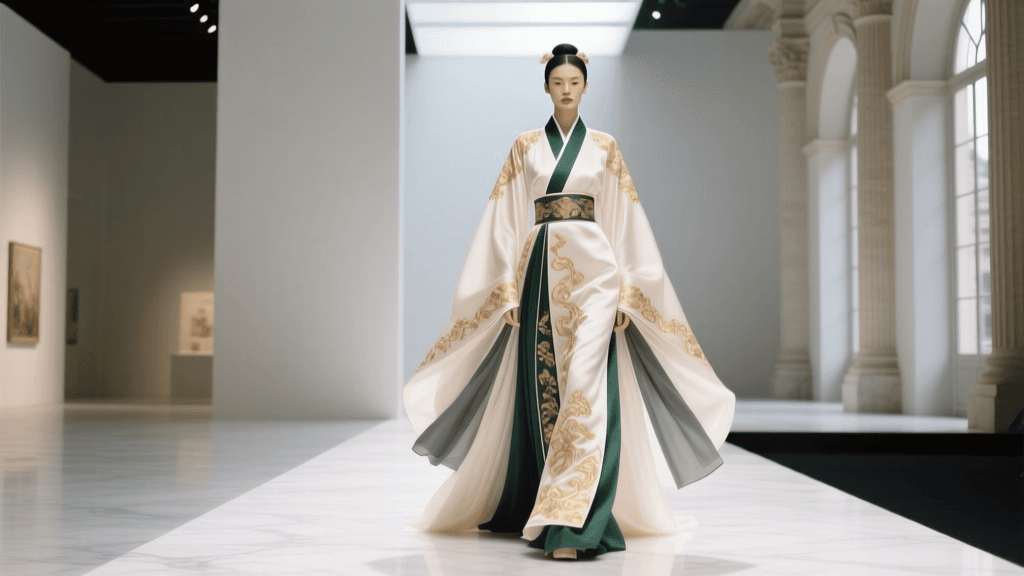
| Tang Dynasty | Qixiong Ruqun, Daxiushan (Grand Shawl) | Crimson, Gold, Emerald; Peonies, Clouds | $900 - $1,800 |
| Song Dynasty | Beizi (Long Coat), Baizhe Skirt | Pearl White, Celadon, Soft Pink; Plum Blossoms | $700 - $1,400 |
| Ming Dynasty | Mangfu (Dragon Robe), Fengguan Xiapei (Phoenix Crown & Stole) | Deep Red, Sapphire, Gold; Phoenixes, Waves | $1,800 - $4,500 |
The Ming Dynasty Standard: Fengguan Xiapei
The Ming dynasty aesthetic remains the gold standard for formal Hanfu weddings due to its unparalleled grandeur. The bride typically wears a Fengguan (phoenix crown) and Xiapei (embroidered stole) over a richly woven Mangfu or Dixiong robe. In 2026, the creation of a Fengguan has been revolutionized by 3D-printed lightweight resins coated in gold leaf and adorned with ethically sourced freshwater pearls, reducing the weight of the crown from a neck-straining 3kg to a comfortable 800g.
As noted by Encyclopedia Britannica, the hierarchical and symbolic use of color and dragon-phoenix motifs in Ming dress was strictly regulated, but today’s couples adapt these regal designs to honor their heritage while expressing personal artistry. Grooms typically wear a dark, round-collared robe with an official’s hat (Wushamao), creating a striking visual contrast of solemnity and celebration.
Ancestral Rites and Sacrificial Ceremonies (Ji Fu)
While weddings and births are celebrations of life and future prosperity, ancestral rites (Ji Si) require an entirely different sartorial approach. Whether observing the Qingming Festival, the Zhongyuan Festival, or private family shrine worship, the attire must reflect solemnity, respect, and spiritual purity.
The Shenyi and Sacrificial Dress
The most appropriate garment for ancestral worship is the Shenyi (deep robe), a one-piece garment that wraps the body modestly, symbolizing the unity of heaven and humanity. For strict traditionalists, the Ji Fu (sacrificial dress) is worn. This is not a time for flashy embroidery or vibrant silks.
- Color Codes: The dominant colors are Xuan (a deep, almost black shade with subtle red undertones representing the heavens), plain white (representing purity and mourning), and deep indigo. Bright reds, golds, and pinks are strictly forbidden during solemn ancestral veneration.
- Fabrics: In 2026, there is a strong movement toward raw, unbleached hemp and heavy linen blends for ritual wear. These natural fibers connect the wearer to the earth and the agrarian roots of their ancestors.
- Headwear: Men often wear a simple Guan (cap) or a dark Futou, while women keep their hair pinned up in minimalist, unadorned styles, avoiding dangling hairpins or bright ribbons.
Etiquette and Movement
Wearing Hanfu for ancestral rites also dictates a change in physical demeanor. The wide sleeves (Daxiu) and structured collars naturally enforce an upright posture. When offering incense or bowing, the layered sleeves are brought together in front of the chest in the traditional Gongshou greeting. The physical weight and structure of the Shenyi serve as a mindfulness tool, slowing the wearer's movements and fostering a meditative state appropriate for communing with ancestors.
Sourcing, Tailoring, and Sustainable Innovations in 2026
Acquiring high-quality ceremonial Hanfu in 2026 is easier and more sustainable than ever before. The integration of technology and eco-conscious manufacturing has transformed the market.
AI-Assisted Custom Tailoring
Off-the-rack Hanfu often fails to accommodate the precise layering required for ceremonies, where a thick winter Zhongyi (inner garment) might alter the drape of an outer Ao. Today, premier Taobao boutiques and global Hanfu ateliers utilize smartphone LiDAR scanning. Customers simply scan their body dimensions, and the AI generates a bespoke pattern that accounts for the exact thickness of the ceremonial layers, ensuring the collar sits perfectly at the collarbone and the waistband rests precisely at the natural waist.
Natural Dyeing and Eco-Friendly Textiles
For families who view ancestral rites as a way to honor the earth as well as their lineage, naturally dyed Hanfu is the preferred choice. The 2026 market has seen a resurgence in Cao Mu Ran (plant-based dyeing). Artisans use madder root for auspicious wedding reds, indigo for deep ceremonial blues, and lotus seed pods for muted, earthy browns. These dyes not only reduce the environmental impact of silk production but also age beautifully, developing a unique patina that turns the garment into a family heirloom meant to be passed down to the next generation.
Conclusion: Weaving the Past into the Future
Dressing in Hanfu for family ceremonies is a profound act of cultural reclamation. Whether you are wrapping a newborn in organic bamboo-silk, exchanging vows beneath the weight of a modernized Ming phoenix crown, or bowing in solemn indigo before a family altar, the garments serve as a bridge across time. By understanding the historical context, adhering to the symbolic color palettes, and utilizing the sustainable, tech-forward tailoring options available in 2026, families can ensure their most sacred milestones are honored with authenticity, respect, and breathtaking beauty.