2026 Hanfu Guide: Birth, Wedding & Ancestral Family Ceremony Dress
The Evolution of Hanfu in Family Milestones
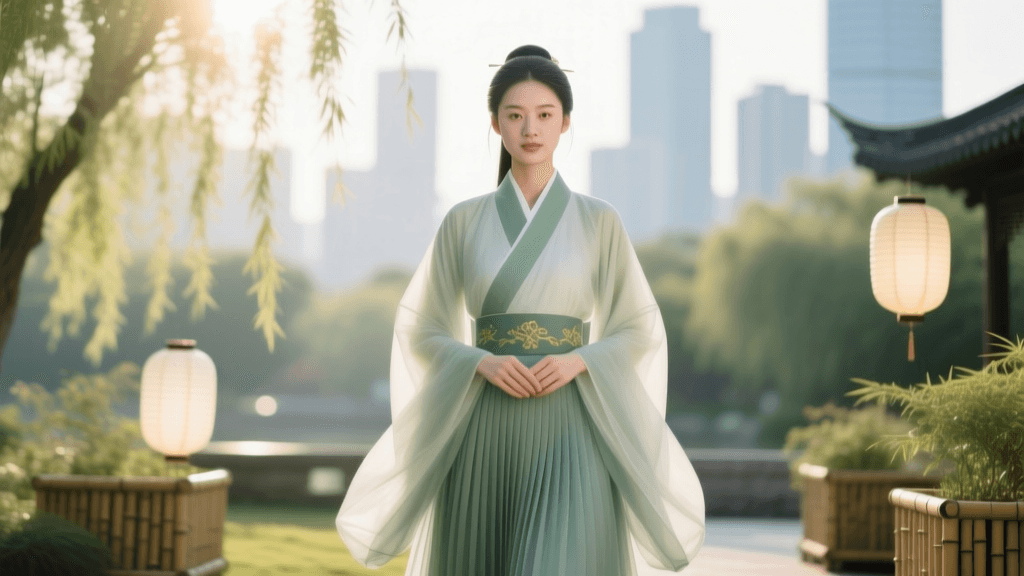
As we navigate through 2026, the Hanfu movement has matured far beyond a fleeting streetwear trend or a niche hobbyist pursuit. Today, traditional Han clothing is deeply integrated into the most significant milestones of Chinese family life. From the joyful chaos of a child's first birthday to the solemnity of ancestral worship, families are increasingly turning to historically informed, meticulously tailored garments to honor their heritage. The modern ceremonial Hanfu market in 2026 is defined by a demand for historical accuracy, sustainable textile production, and bespoke tailoring that accommodates contemporary lifestyles while respecting ancient rites.
Understanding the correct silhouettes, fabrics, and motifs for specific ceremonies is crucial. According to the Encyclopedia Britannica's overview of Chinese clothing, traditional dress has always been intrinsically linked to social order, ritual propriety (Li), and the philosophical harmony between humanity and the cosmos. This guide breaks down the essential Hanfu styles for birth, coming-of-age, weddings, and ancestral rites, providing actionable advice for families planning their ceremonial wardrobes this year.
Birth and Early Childhood: Zhuazhou Ceremonies
The Zhuazhou (first birthday grab) ceremony is a pivotal moment in a child's early life, where the infant is surrounded by symbolic objects to predict their future path. In 2026, the focus for infant Hanfu is heavily skewed toward safety, organic materials, and auspicious motifs.
Fabrics and Safety Standards
Modern parents are highly conscious of textile safety. The leading choice for infant Zhuazhou Hanfu in 2026 is GOTS-certified organic cotton and lightweight peace silk (Ahimsa silk), which is harvested without harming the silkworm. Garments are dyed using natural, non-toxic plant dyes such as madder root (for soft reds) and indigo (for calming blues). Tailors now strictly adhere to 2026 child safety guidelines, eliminating traditional but hazardous elements like small jade toggle buttons or long, dangling sashes, replacing them with secure, hidden magnetic closures disguised as traditional knots.
Auspicious Motifs
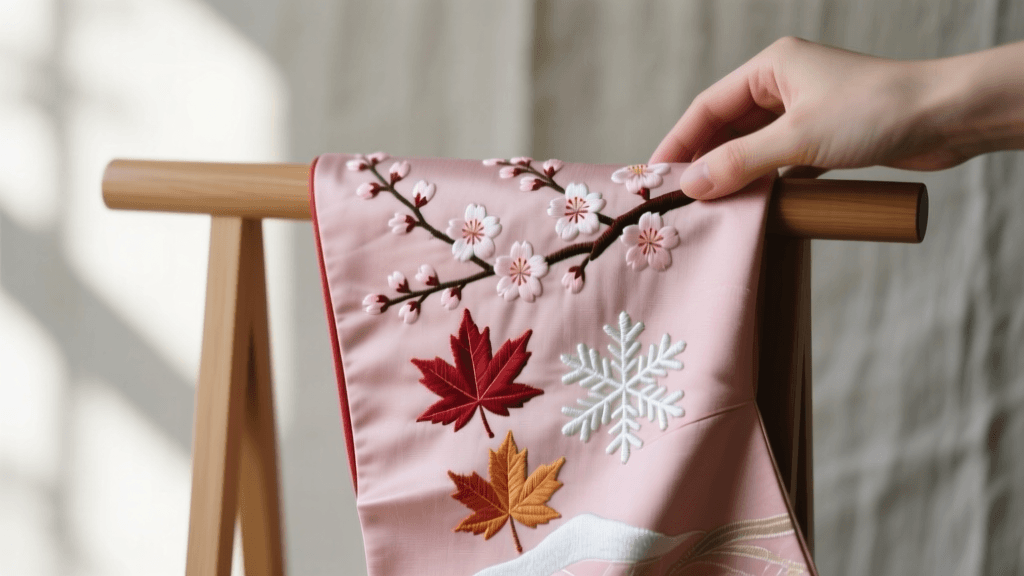
Embroidery for infant wear focuses on protection and longevity. The 'Five Poisons' motif (scorpions, snakes, centipedes, toads, and spiders) is traditionally used to ward off evil spirits, but in 2026, this is often stylized into softer, more modern geometric interpretations. Tiger-head shoes and hats remain incredibly popular, believed to protect the child from harm and imbue them with courage.
Coming of Age: Guanli and Jili Rites
The transition into adulthood is marked by the Guanli (capping ceremony for young men at age 20) and the Jili (hair-pinning ceremony for young women at age 15). These ceremonies require garments that signify maturity, responsibility, and readiness to participate in societal and familial duties.
Styles for the Jili (Women)
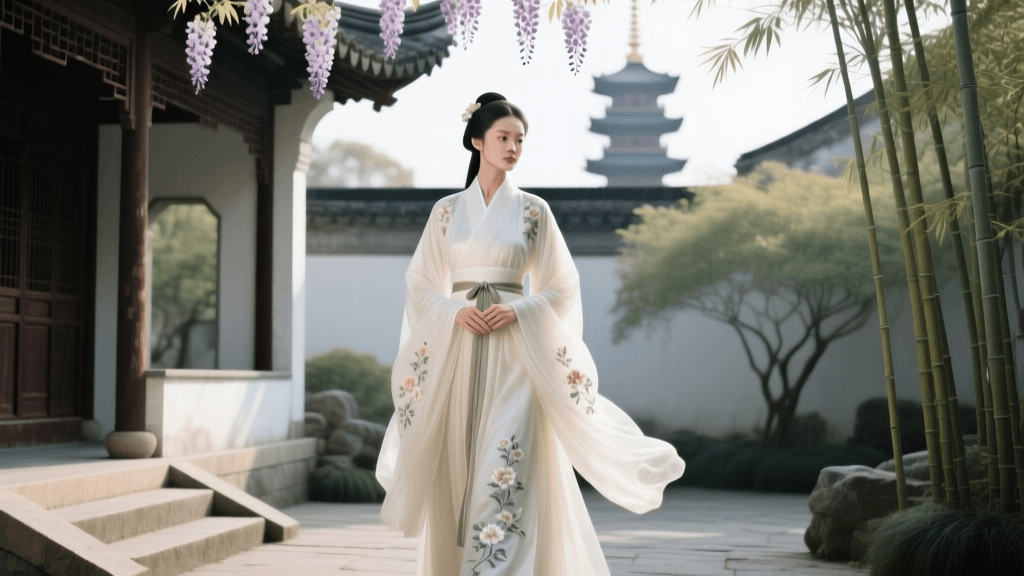
For the Jili, the Song Dynasty Beizi (a long, parallel-collar jacket worn over a pleated skirt) is the preferred choice in 2026 due to its elegant, slender silhouette and understated grace. The fabric of choice is often a lightweight brocade or a subtle damask, featuring woven motifs of plum blossoms or orchids, symbolizing resilience and elegance. The hair is styled into a traditional bun, secured with a single, high-quality jade or wooden hairpin, eschewing the heavy, ornate metalwork reserved for weddings.
Styles for the Guanli (Men)
Young men undergoing the Guanli typically wear the Ming Dynasty Daopao or the cross-collared Shenyi (deep robe). The Shenyi is particularly significant; as noted by the Victoria and Albert Museum's guide to Chinese dress, the deep robe's construction—separating the top and bottom before sewing them together—represents the union of heaven and earth, and the adherence to societal rules. In 2026, bespoke tailors use 3D body scanning to ensure the Shenyi drapes perfectly, maintaining the strict historical requirement that the sleeves extend past the fingertips and the collar sits flush against the neck.
Weddings: Beyond the Traditional Red
While the Ming Dynasty Fengguan Xiapei (phoenix crown and cloud scarf) paired with a red Mangao (python jacket) remains the gold standard for traditional Chinese weddings, 2026 has seen a massive diversification in bridal Hanfu. Couples are increasingly looking to earlier dynasties for inspiration, driven by a desire for unique aesthetics and greater mobility during outdoor or destination ceremonies.
The Rise of Tang Dynasty Bridal Wear
The Tang Dynasty Yuanlingpao (round-collar robe) and Qixiong Ruqun (chest-high skirt) have surged in popularity for 2026 weddings. These styles allow for a broader, more vibrant color palette. While red remains dominant, deep emerald greens, rich ochres, and twilight purples are now widely accepted and celebrated, reflecting the cosmopolitan nature of the Tang era. Brides are pairing these with intricate gold-leaf makeup and elaborate floral hairpieces rather than the heavy metal crowns of the Ming style.
Textile Luxury: Kesi and Zhuanghua
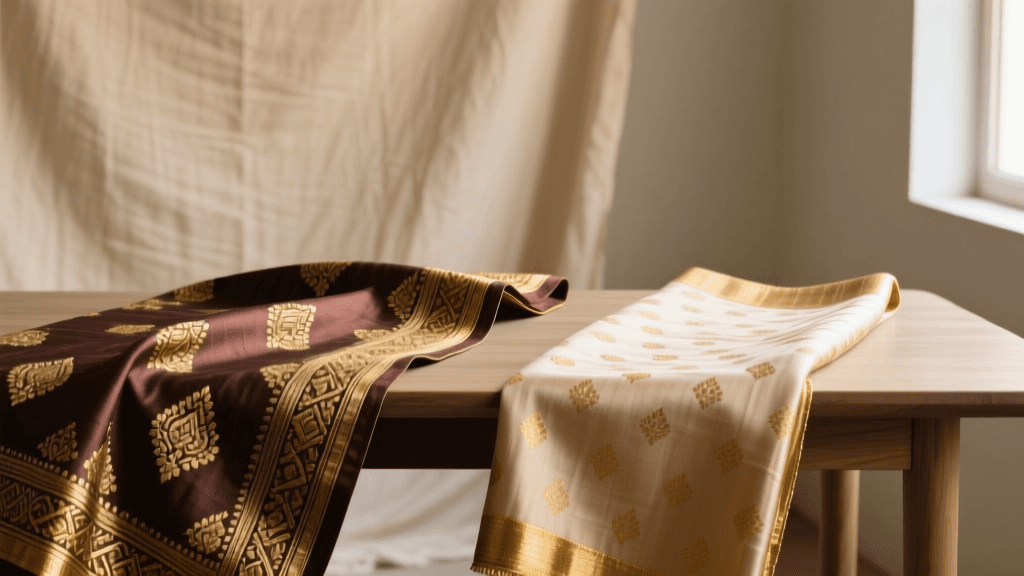
For the traditional Ming-style wedding jacket, the ultimate luxury in 2026 is Kesi (cut silk tapestry). This painstaking weaving technique creates a design that looks identical on both sides and is highly durable. A bespoke Kesi wedding jacket from a master weaver in Suzhou currently commands between $4,500 and $12,000 USD, reflecting the hundreds of hours of labor required. For those with a more modest budget, Zhuanghua (brocade) woven on modern jacquard looms offers a stunning, historically accurate alternative, with premium 2026 sets ranging from $1,200 to $3,500 USD.
Ancestral Rites and Remembrance
Ceremonies honoring ancestors, such as the Qingming Festival tomb-sweeping or the mid-autumn ancestral worship (Jizu), demand a completely different sartorial approach. The emphasis here is on modesty, respect, and a connection to the earth.
The Solemnity of Xiangyunsha
The premier fabric for ancestral rites in 2026 is Xiangyunsha (gambiered Guangdong silk). This unique textile is dyed with the juice of the薯莨 (Dioscorea cirrhosa) tuber and coated with iron-rich mud from the Pearl River Delta. The result is a fabric that is dark, earthy, water-resistant, and possesses a distinctive crackled texture. According to The Metropolitan Museum of Art's Heilbrunn Timeline of Art History, the complex relationship between natural dyes, regional geography, and silk production is a hallmark of Chinese textile mastery. Xiangyunsha's subdued, dark brown and charcoal tones are perfect for the solemnity of ancestral worship, avoiding the flashy brightness of wedding silks while maintaining supreme elegance.
Mourning Attire (Sangfu) Adaptations
While traditional Sangfu (mourning clothes) made of raw, unhemmed hemp is rarely worn in its strictest historical form today, the aesthetic influence remains. For immediate family mourning rites in 2026, families opt for unbleached organic linen and raw ramie garments in stark white or pale grey. The cuts are intentionally simple, devoid of any embroidery or bright accents, reflecting the Confucian ideal of expressing genuine grief through the rejection of worldly adornment.
2026 Ceremonial Hanfu Comparison Chart
To help you plan your family's ceremonial wardrobe, refer to the table below for a quick comparison of styles, fabrics, and current market pricing.
| Ceremony | Recommended Style | Dynasty Inspiration | Primary Fabric (2026 Standard) | Est. Bespoke Cost (USD) |
|---|---|---|---|---|
| Zhuazhou (1st Birthday) | Modified Jiaoling Aoqun | Ming / Modern | Organic Cotton, Natural Dyes | $150 - $300 |
| Jili (Coming of Age, Women) | Beizi over Pleated Skirt | Song | Lightweight Silk Damask | $400 - $800 |
| Guanli (Coming of Age, Men) | Shenyi (Deep Robe) | Pre-Qin / Han | Heavy Linen or Matte Silk | $350 - $700 |
| Hunli (Wedding) | Fengguan Xiapei & Mangao | Ming | Silk Brocade (Zhuanghua) | $1,200 - $3,500 |
| Jizu (Ancestral Worship) | Round-Collar Shenyi | Tang / Ming | Xiangyunsha (Gambiered Silk) | $800 - $1,500 |
Sourcing, Tailoring, and Eco-Friendly Practices
The Hanfu market in 2026 is heavily regulated regarding textile claims, making it easier for consumers to verify the authenticity of their purchases. When sourcing garments for major family ceremonies, it is highly recommended to bypass mass-market e-commerce platforms and work directly with established ateliers in Hangzhou, Suzhou, or Guangzhou.
The Shift to Sustainable Dyeing
A major trend defining the 2026 ceremonial market is the strict adherence to eco-friendly, natural dyeing methods. The chemical runoff from synthetic silk dyeing has led many top-tier Hanfu brands to transition entirely to botanical dyes. Indigo, pagoda tree buds (for yellow), and pomegranate rinds are now standard. When commissioning a bespoke piece, always request a 'natural dye certificate' from the atelier, which details the mordants used (such as alum or soy milk) to ensure the colors remain vibrant without relying on heavy metals.
Etiquette and Final Considerations
Wearing Hanfu for family ceremonies requires an understanding of the 'left over right' (Jiaoling Youren) rule for the living, where the left lapel crosses over the right. The reverse is strictly reserved for the deceased. Furthermore, ensuring that the garments are properly maintained—aired out in the shade rather than direct sunlight, and stored in breathable cotton bags rather than plastic—will preserve these investment pieces for the next generation. By choosing historically grounded, sustainably produced Hanfu, families in 2026 are not just wearing clothes; they are actively participating in the living continuum of Asian cultural heritage.