Hanfu Family Ceremonies: 2026 Guide for Weddings & Rites
The Resurgence of Ceremonial Hanfu in 2026
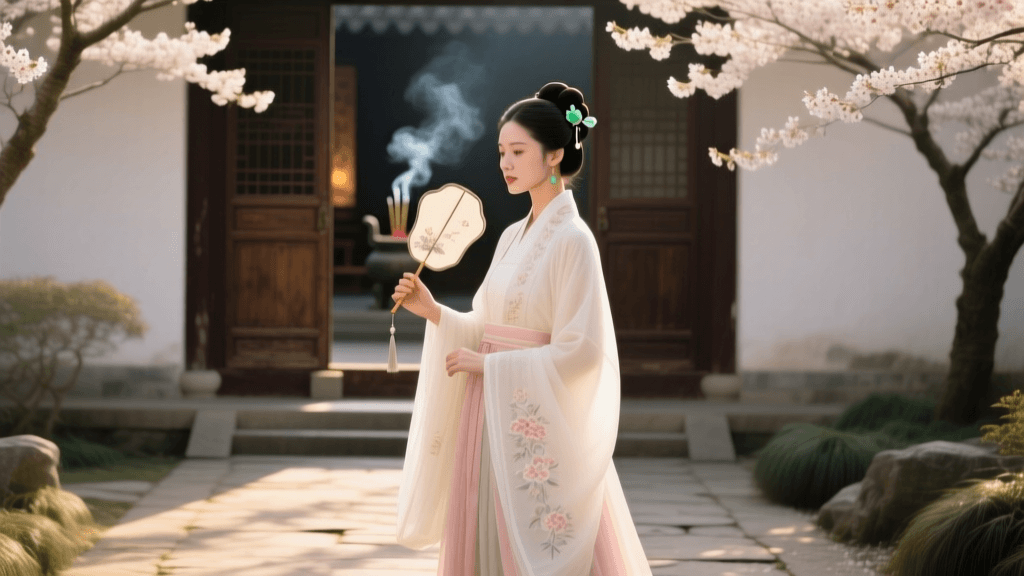
As we navigate through 2026, the traditional Chinese clothing revival has evolved far beyond casual streetwear and social media trends. Today, Hanfu is the definitive sartorial choice for major family milestones. From the joyous celebrations of birth and coming-of-age ceremonies to the solemnity of ancestral rites and the grandeur of traditional weddings, families are increasingly turning to historically accurate garments to honor their heritage. This shift represents a deeper cultural reconnection, where the ancient Confucian concept of Li (propriety and rites) is expressed through the meticulous draping, weaving, and embroidery of traditional silk and linen.
Choosing the correct attire for these life-cycle events requires an understanding of historical dynastic styles, fabric symbolism, and modern tailoring innovations. In this comprehensive 2026 guide, we break down the essential Hanfu garments required for birth, wedding, and ancestral ceremonies, providing actionable advice on sourcing, styling, and budgeting for your family's most sacred moments.
The Philosophy of Li: Dressing for Life's Milestones
In traditional Chinese culture, clothing is never merely decorative; it is a physical manifestation of social harmony, respect, and cosmic order. The rites of passage—birth, marriage, and ancestor veneration—are the pillars of family continuity. According to historical textile archives, such as those curated by the Metropolitan Museum of Art, the craftsmanship of Chinese silk has long been intertwined with ritualistic purity and social standing. In 2026, modern families honor this legacy by prioritizing natural, eco-friendly dyes and ethically sourced mulberry silk, ensuring that the garments worn during sacred rites reflect both historical reverence and contemporary environmental consciousness.
Birth and Coming of Age: Guan Li and Ji Li
The transition from childhood to adulthood is marked by the Guan Li (capping ceremony for young men, traditionally at age 20) and the Ji Li (hair-pinning ceremony for young women, traditionally at age 15). In 2026, many families adapt these ages to coincide with high school or university graduations, blending ancient rites with modern academic milestones.
Garments for the Ji Li (Women)
For young women, the ceremony involves three changes of clothing, symbolizing the progression from childhood to womanhood. The first layer is typically a simple, unlined Ruqun (a short jacket and pleated skirt) in soft, youthful colors like pale celadon or lotus pink. The second layer transitions to a more structured Beizi (a long, parallel-collar overcoat) worn over a Mamianqun (horse-face skirt). The final, most formal layer often features a deeply symbolic Shenyi (deep robe) with intricate embroidery of plum blossoms, representing resilience and maturity.
Garments for the Guan Li (Men)
Young men undergoing the Guan Li also undergo three additions of headwear and corresponding robe changes. The attire progresses from a simple cotton Zhiduo (a straight-hem robe) to a formal silk Daopao (Taoist-style robe with side slits and inner pleats). In 2026, breathable organic lotus-silk blends are highly sought after for summer coming-of-age ceremonies, providing historical accuracy without the heaviness of traditional winter brocades.
Weddings: The Pinnacle of Ceremonial Hanfu
The traditional Chinese wedding, or Hun Li, is the most visually spectacular of all family ceremonies. While Tang and Song dynasty styles are occasionally chosen for their ethereal aesthetics, the Ming Dynasty style remains the undisputed gold standard for Hanfu weddings in 2026. The Ming Dynasty aesthetic is celebrated for its structured silhouettes, rich colors, and elaborate gold-leaf couching embroidery.
The Bride: Fengguan Xiapei
The quintessential bridal ensemble is the Fengguan Xiapei (phoenix crown and rosy cape). The Xiapei is a V-shaped, heavily embroidered stole that drapes over the shoulders and hangs down the front of a red or deep crimson Yuanlingpao (round-collar robe) or Aoqun (jacket and skirt). In 2026, bespoke brides are opting for 22-momme heavy silk crepe bases, which provide a luxurious drape and prevent the garment from wrinkling during lengthy tea ceremonies. The embroidery often features dragons and phoenixes woven with ethically sourced gold threads. Due to the intricate panjin (gold-couching) technique, a fully bespoke 2026 bridal Xiapei can take up to four months to complete and typically costs between $1,800 and $4,500 USD.
The Groom: Yuanlingpao and Xiangyunsha
Grooms traditionally wear a dark, formal Yuanlingpao with a mandarin square (Buzi) denoting scholarly or noble aspirations. A major trend in 2026 is the use of Xiangyunsha (mud silk) for the groom's outer robe. This heritage fabric, recognized by UNESCO as an Intangible Cultural Heritage, is dyed with yam juice and sealed with iron-rich river mud. The result is a naturally waterproof, rustling, and incredibly durable black fabric that exudes a quiet, masculine elegance perfect for the solemnity of the wedding vows.
Ancestral Rites: Solemnity and Respect
Ancestral veneration, particularly during the Qingming Festival or the anniversaries of a patriarch or matriarch's passing, requires attire that communicates utmost respect, humility, and solemnity. Flashy embroidery and bright colors are strictly avoided.
The most appropriate garment for ancestral rites is the Shenyi, specifically the Shenyi with a straight hemline and wide sleeves. The color palette is restricted to unbleached white, deep navy, charcoal, or black. In 2026, families are increasingly choosing raw, unbleached hemp or matte linen for these garments. The lack of sheen in the fabric reflects the somber nature of the rite. Accessories are kept to an absolute minimum: a simple wooden or jade hairpin for women, and a plain dark cloth cap for men. The focus is entirely on the internal reverence of the ritual rather than external display.
2026 Ceremonial Hanfu Comparison Chart
To help you plan and budget for your family's ceremonial needs, refer to the structured comparison below detailing the standard garments, fabrics, and 2026 market pricing for bespoke and high-end ready-to-wear pieces.
| Ceremony Type | Primary Garment | Recommended 2026 Fabric | Color Palette | Estimated Cost (USD) |
|---|---|---|---|---|
| Ji Li (Coming of Age) | Beizi & Mamianqun | Organic Lotus Silk / Mulberry Silk | Celadon, Pale Pink, Ivory | $350 - $850 |
| Guan Li (Coming of Age) | Daopao (Taoist Robe) | Heavy Linen / Silk-Cotton Blend | Navy, Slate Grey, Earth Tones | $280 - $600 |
| Hun Li (Wedding - Bride) | Fengguan Xiapei & Aoqun | 22-Momme Silk Crepe, Gold Couching | Crimson, Deep Red, Gold | $1,800 - $4,500 |
| Hun Li (Wedding - Groom) | Yuanlingpao | Xiangyunsha (Mud Silk) | Black, Dark Brown | $900 - $2,200 |
| Ji Li (Ancestral Rites) | Shenyi (Deep Robe) | Raw Hemp / Matte Linen | Unbleached White, Charcoal | $150 - $400 |
Sourcing and Tailoring Your Ceremonial Hanfu in 2026
Securing high-quality ceremonial Hanfu requires foresight. The bespoke market in 2026 is heavily concentrated in heritage textile hubs like Hangzhou, Suzhou, and Nanjing. For families living outside of China, specialized online boutiques and independent ateliers now offer remote bespoke services utilizing 3D body scanning apps. By submitting a standardized set of 15 measurements—including specific arm-span lengths and shoulder-to-floor drops—tailors can draft patterns that accommodate the unique, flat-cut structure of traditional Hanfu while ensuring modern comfort.
Timing is critical. For wedding ensembles involving hand-embroidered Xiapei or custom-woven Xiangyunsha, you must place your orders at least 16 to 20 weeks before the ceremony date. Coming-of-age and ancestral garments, which require less intensive embroidery, can typically be fulfilled within 6 to 8 weeks. Always request fabric swatches before finalizing a commission to verify the weight, drape, and eco-friendly dye quality of the silk or linen.
Conclusion
Dressing in Hanfu for family ceremonies is a profound way to anchor modern life in ancient wisdom. Whether you are pinning the hair of a graduating daughter, exchanging vows beneath a crimson Xiapei, or pouring tea for your ancestors in a quiet linen Shenyi, the garments you choose serve as a bridge across generations. By understanding the historical context, selecting appropriate 2026 fabrics, and respecting the etiquette of each rite, you ensure that your family's most pivotal moments are wrapped in dignity, beauty, and enduring cultural pride.