The Complete Hanfu and Traditional Garment Care Guide
Introduction to Traditional Garment Care
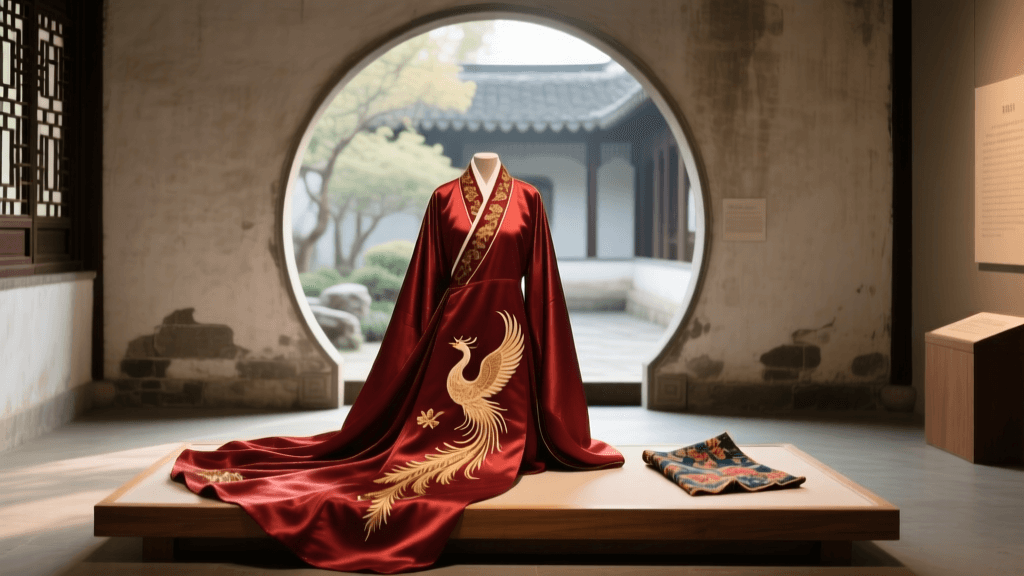
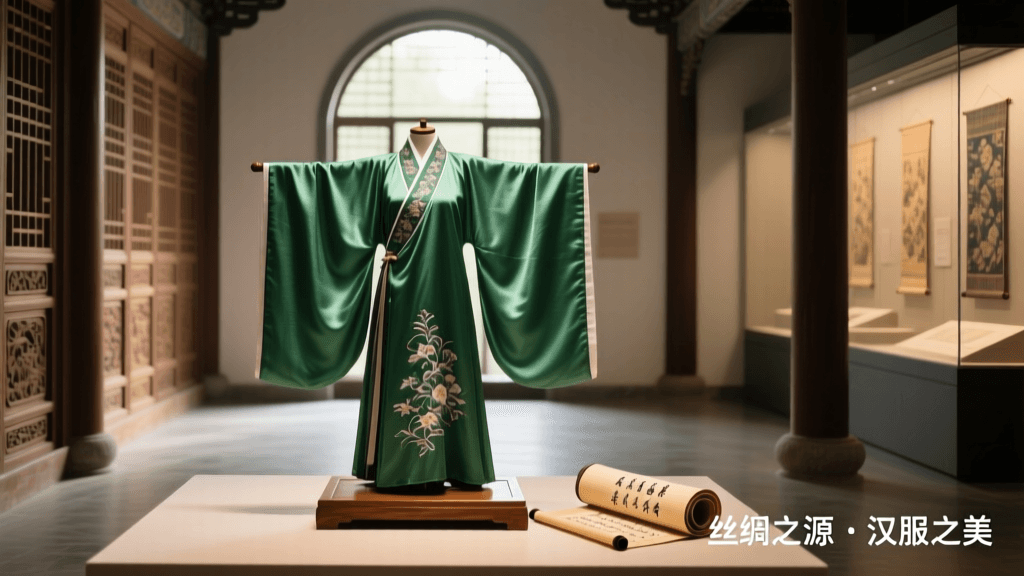
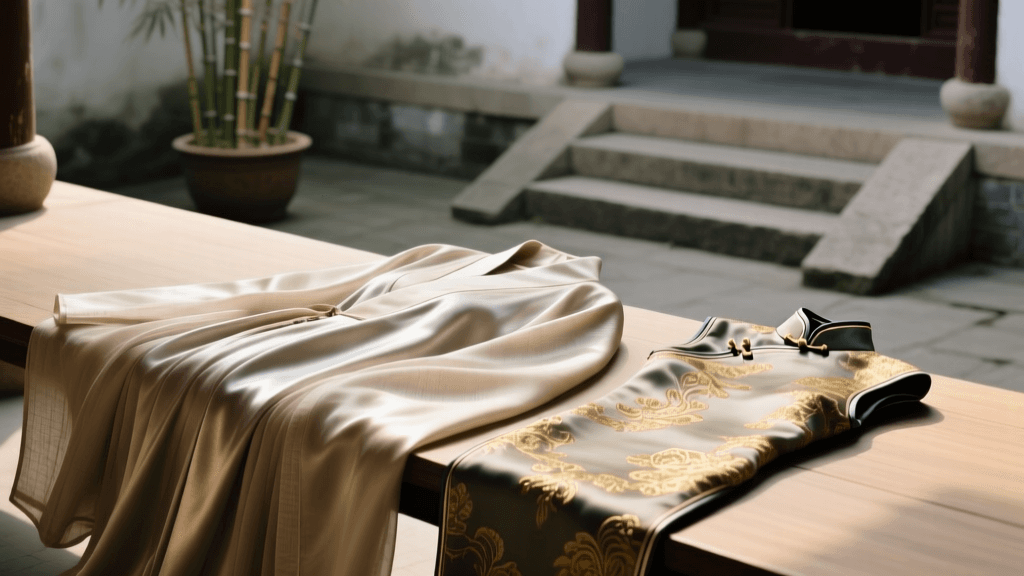
The global renaissance of traditional Chinese clothing has transformed how we engage with cultural heritage. As noted by the South China Morning Post, the Hanfu movement has evolved from a niche subculture into a mainstream fashion phenomenon, with millions of enthusiasts investing heavily in authentic, high-quality garments. Whether you own a flowing Ming dynasty-style Mamianqun (horse-face skirt), a delicate Song dynasty Beizi, or a form-fitting silk Qipao, these pieces are significant financial and cultural investments. However, the very fabrics that make these garments so breathtaking—mulberry silk, hand-woven ramie, and intricate metallic brocades—are notoriously delicate. Improper care can lead to irreversible damage, including fiber degradation, dye bleeding, and structural warping. This comprehensive guide provides actionable, museum-grade conservation techniques adapted for everyday enthusiasts to ensure your traditional Asian garments remain pristine for generations.
Understanding Your Traditional Fabrics
Before applying water or heat to any traditional garment, it is crucial to identify the fiber content. Asian traditional textiles primarily fall into three categories: protein fibers, cellulose fibers, and complex woven blends.
Silk (Mulberry, Charmeuse, and Crepe)
Silk is a protein fiber spun by silkworms. It is prized for its luster, drape, and breathability but is highly sensitive to alkaline substances, high heat, and prolonged exposure to ultraviolet (UV) light. Standard laundry detergents contain enzymes and alkaline builders that will strip silk of its natural sericin coating, leaving it brittle and dull. Furthermore, water spotting is a common issue with silk charmeuse and crepe de chine, making localized cleaning risky.
Ramie and Linen (Xia Bu and Grass Cloth)
Cellulose fibers like ramie and linen are historically significant in Chinese summer clothing, often referred to as Xia Bu (summer cloth). These fibers are incredibly strong, highly breathable, and naturally resistant to moths and mildew. However, they lack elasticity and are prone to severe creasing. While they can tolerate more rigorous washing than silk, aggressive wringing can cause permanent micro-fractures in the yarns, leading to a fuzzy, degraded appearance over time.
Brocade and Jacquard (Zhuanghua and Song Brocade)
Traditional brocades, such as Nanjing Yunjin or Song brocade, feature complex weave structures and often incorporate metallic threads (gold or silver foil wrapped around a silk core). These garments should almost never be submerged in water. The metallic threads can tarnish, and the differing shrinkage rates between the warp and weft threads can cause the fabric to pucker irreparably.
The Ultimate Fabric Care Comparison Chart
Use the following structured guide to determine the appropriate care protocol for your specific garment. Always check the manufacturer's label first, but use this chart as a baseline for traditional fabrics lacking modern care tags.
| Fabric Type | Wash Method | Water Temp | Detergent Type | Ironing Temp | Storage Requirement |
|---|---|---|---|---|---|
| Mulberry Silk | Hand-wash / Dry Clean | Cold (Max 30°C / 86°F) | pH-neutral (e.g., Eucalan) | Low (110°C) with press cloth | Padded hanger, cotton bag |
| Ramie / Linen | Hand-wash / Machine (Gentle) | Lukewarm (Max 40°C / 104°F) | Mild liquid detergent | Medium-High (150°C) with steam | Folded with acid-free tissue |
| Silk Brocade | Dry Clean Only | N/A | N/A | Low (No steam, reverse side) | Flat storage or wide hanger |
| Metallic Thread | Spot Clean / Dry Clean | N/A | N/A | Do Not Iron directly | Acid-free tissue, dark environment |
Step-by-Step Hand-Washing Guide for Silk Hanfu
If your silk Hanfu or Qipao does not have metallic threads or structural boning, hand-washing is often safer than commercial dry cleaning, which uses harsh chemicals like perchloroethylene that can degrade silk over time. Follow these precise steps:
- Preparation: Fill a clean basin with cold to lukewarm water, strictly not exceeding 30°C (86°F). Add a capful of pH-neutral, enzyme-free detergent specifically formulated for delicates, such as Eucalan or The Laundress Delicate Wash.
- Submersion: Turn the garment inside out to protect the outer dye and embroidery. Submerge it fully and gently agitate the water with your hands. Never rub, twist, or scrub the fabric against itself.
- Timing: Limit the soak time to a maximum of 3 to 5 minutes. Prolonged soaking can cause natural dyes to bleed and weaken the protein bonds in the silk.
- Rinsing: Drain the soapy water and refill the basin with clean, cool water of the exact same temperature. Sudden temperature shocks can cause silk fibers to contract and warp. Repeat until the water runs clear.
- Conditioning (Optional): For a final rinse, add a few drops of white vinegar to a basin of cold water. This helps restore the fabric's natural pH balance, removes residual soap, and enhances the silk's natural luster.
Drying and Ironing Techniques
The drying process is where many traditional garments suffer structural damage. Never wring out silk or linen. Instead, lay the wet garment flat on a clean, dry, colorfast cotton towel. Roll the towel and garment together like a sleeping bag, pressing gently to absorb excess moisture. Unroll and transfer the garment to a padded drying rack away from direct sunlight and heat sources. UV radiation is highly destructive to silk, causing yellowing and fiber rot.
When ironing, timing and temperature are critical. Iron silk while it is still slightly damp (about 80% dry) to make removing wrinkles easier. Always use a pressing cloth made of unbleached cotton muslin between the iron and the garment. Set your iron to the 'Silk' or 'Low' setting (around 110°C). For linen and ramie, use a higher heat setting with abundant steam, but always iron on the reverse side of the fabric to prevent creating a shiny, flattened appearance on the weave.
Archival Storage for Longevity
Proper storage is essential for preserving the structural integrity and color of traditional garments. According to the Smithsonian Museum Conservation Institute, textiles are highly susceptible to environmental fluctuations, light damage, and pest infestations. To replicate museum-grade storage at home, adhere to the following protocols:
- Hanging vs. Folding: Lightweight silk garments can be hung on wide, padded hangers to prevent shoulder dimples. However, heavy garments like embroidered Mamianqun or heavily layered winter coats should be folded and stored flat to prevent gravity from stretching the warp threads over time.
- Acid-Free Buffers: When folding, place unbuffered, acid-free tissue paper (pH 7.0 to 8.5) between the folds. This prevents hard creases that can eventually snap brittle fibers and stops dye transfer between different colored panels.
- Pest Control: Avoid traditional mothballs (naphthalene or paradichlorobenzene), as their chemical off-gassing can tarnish metallic threads and degrade silk proteins. Instead, use natural alternatives like cedar blocks or lavender sachets, ensuring they do not directly touch the fabric to prevent oil stains.
- Climate Control: Store garments in breathable cotton canvas bags in a cool, dark closet with stable humidity levels (ideally between 45% and 55%). Avoid plastic dry-cleaning bags, which trap moisture and emit acidic gases that accelerate fabric decay.
Decoding Care Labels on Modern Traditional Wear
Many contemporary Hanfu and Qipao brands utilize standardized international care symbols to guide consumers. Familiarizing yourself with the GINETEX care labeling system is crucial. A circle indicates dry cleaning (with letters inside specifying the solvent type, such as 'P' for perchloroethylene or 'F' for hydrocarbon solvents, which are gentler on traditional dyes). A crossed-out washtub means the garment must not be washed in water, while a triangle with a cross through it prohibits bleaching. Always respect a 'Dry Clean Only' label on structured Qipaos, as the internal interfacing and lining may shrink at different rates if exposed to water, ruining the garment's tailored silhouette.
Conclusion
Caring for Hanfu, Qipao, and other traditional Asian garments requires a shift in mindset from modern fast-fashion maintenance to mindful, heritage-based conservation. By understanding the unique biological and structural properties of silk, linen, and brocade, and by employing gentle, pH-neutral cleaning and archival storage methods, you ensure that these beautiful expressions of cultural identity remain vibrant and intact. Treat your garments not merely as clothing, but as woven history, and they will reward you with a lifetime of elegance and wear.