Traditional Geta & Zori Craft Guide 2026: Artisan Footwear
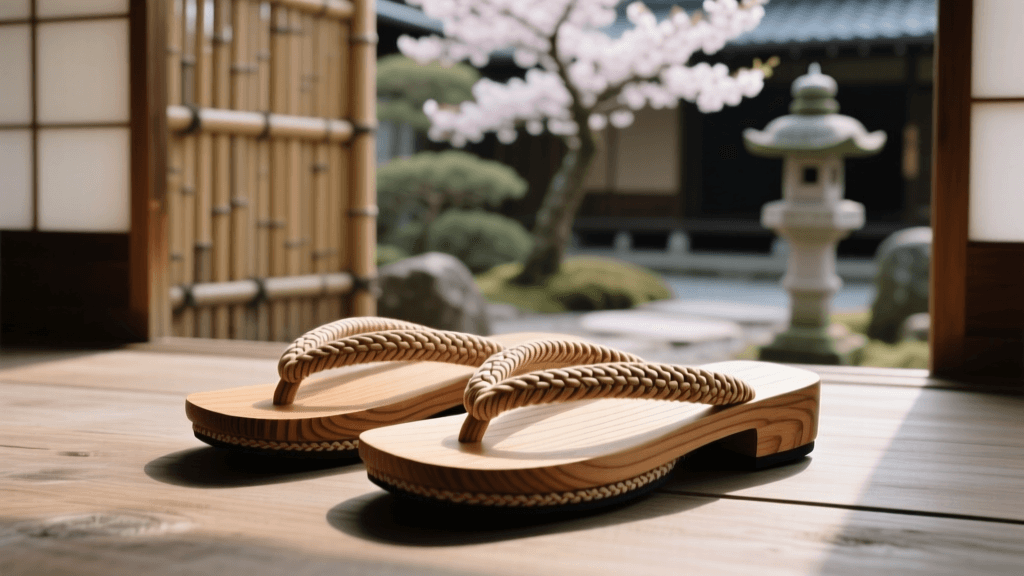
The 2026 Renaissance of Traditional Japanese Footwear
In 2026, the global slow fashion movement has catalyzed a profound renaissance in traditional Japanese footwear. Discerning collectors and cultural enthusiasts are increasingly turning away from mass-produced, synthetic alternatives, seeking instead the meticulous craftsmanship of hand-carved geta and zori. This resurgence is not merely nostalgic; it is driven by a modern demand for sustainable materials, ergonomic innovation, and the preservation of intangible cultural heritage. According to the Kogeijapan portal, the official government-backed resource for traditional crafts, applications for footwear artisan apprenticeships in Kyoto and Tokyo have seen a steady year-over-year increase, signaling a vibrant future for this ancient craft.
At the heart of this revival is a deep appreciation for the symbiotic relationship between the wooden base and the textile thong. Master artisans in Asakusa and Kyoto are now blending centuries-old woodworking techniques with contemporary textile design, creating footwear that honors Edo-period aesthetics while accommodating the realities of modern urban walking. Whether you are a seasoned collector of Asian garments or a newcomer looking to integrate traditional pieces into your wardrobe, understanding the anatomy, craftsmanship, and proper etiquette of geta and zori is essential in 2026.
Anatomy of the Craft: Dai, Ha, and Hanao
To truly appreciate traditional Japanese footwear, one must understand its distinct architectural components. Unlike Western shoes that enclose the foot, geta and zori are designed to be held by the toes, promoting a natural gait and excellent ventilation.
The Dai (Base) and Ha (Teeth)
The dai is the main wooden body of the geta. In 2026, the gold standard for premium geta is FSC-certified Kiri (Paulownia) wood. Kiri is prized for its lightweight properties, natural moisture resistance, and beautiful, pale grain. Artisans carefully select blocks of Kiri, cutting them to follow the natural grain to prevent warping. Beneath the dai are the ha (teeth). While traditional workman geta featured tall teeth for navigating muddy streets, modern artisan geta typically feature a lower profile, with the ashi (heel) elevated slightly higher than the mae (toe) to facilitate a natural rolling stride on paved surfaces.
The Soul of the Shoe: Hanao (Thongs)
The hanao is the fabric thong that secures the foot to the base. It is widely considered the soul of the footwear. The hanao consists of three main cords: the mae-o (front cord) and two yoko-o (side cords). In contemporary craft, artisans are utilizing upcycled silk from vintage kimono, as well as high-durability vegan textiles, to weave hanao that are both visually striking and resilient against daily wear.
Geta vs. Zori: A 2026 Material and Usage Comparison
While often confused by the uninitiated, geta and zori serve different purposes and are constructed from fundamentally different materials. Below is a comprehensive comparison to help you choose the right footwear for your traditional ensemble.
| Feature | Geta (Wooden Clogs) | Zori (Flat Sandals) |
|---|---|---|
| Base Material | Solid wood (primarily Kiri or Hinoki cypress) | Compressed straw, cork, leather, or EVA foam |
| Elevation | Elevated on two (or more) wooden teeth (Ha) | Flat or slightly wedged, no distinct teeth |
| Primary Occasion | Casual wear, summer festivals, yukata pairing | Formal events, tea ceremonies, kimono pairing |
| Hanao Style | Thicker, rounded cotton or velvet cords | Flatter, wider brocade, silk, or patent leather |
| Acoustic Profile | Distinctive 'clack' (karankoron) | Silent or soft shuffle |
The Art of Hanao Weaving and Attachment
The creation and attachment of the hanao is a highly specialized skill. In 2026, master hanao-shokunin (thong artisans) utilize a technique called hanao-suge to ensure the thongs never slip out of the wooden base, even under rigorous walking conditions. The process requires immense finger strength and precision.
'The hanao must feel like an extension of the wearer's own foot. If it is too tight, it blisters; if it is too loose, the foot slides, ruining the posture. We weave the inner core with hemp for tensile strength, and wrap it in silk for the skin's comfort.' — Master Artisan at Tsujiya Honten, Asakusa.
The step-by-step attachment process involves:
- Drilling the Holes: Three precise holes are drilled into the dai. The front hole (nose) is angled slightly backward to align with the natural gap between the big and second toe.
- Threading the Core: A thick, braided hemp core is threaded through the holes. This core bears the structural tension.
- Wrapping the Textile: The decorative fabric (silk, cotton, or velvet) is tightly wrapped around the hemp core. Artisans use a specialized metal hook to pull the fabric taut, ensuring no wrinkles form along the curve.
- Securing the Knots: The ends are knotted securely underneath the dai, often sealed with a natural tree resin to prevent fraying and moisture ingress.
Mastering the Geta Walk: Practical Advice for Modern Wearers
Walking in geta requires a fundamental shift in biomechanics. Western shoes encourage a heel-strike walking pattern, which can cause the wooden teeth of the geta to catch on the ground, leading to tripping or premature wear on the front edge of the wood. To walk gracefully and safely in geta in 2026's urban environments, follow these actionable guidelines:
- Adopt a Flat-Foot Strike: Aim to land flat on the sole, or slightly toe-first. This allows the wooden base to meet the pavement evenly, producing the beloved karankoron sound without jarring your joints.
- Shorten Your Stride: Take smaller, more deliberate steps. This naturally keeps your center of gravity balanced over the wooden base.
- Engage Your Toes: Gently grip the hanao with your big and second toe. This engagement stabilizes the footwear and strengthens the intrinsic muscles of the foot.
- Mind the Asymmetry: Traditional geta are often carved with a slight asymmetry to accommodate the natural shape of the left and right foot. Ensure you are wearing them on the correct feet; the inner curve should follow the arch of your foot.
Sourcing Authentic Footwear: Where to Find Artisans
For those seeking authentic, handcrafted pieces, the Japan National Tourism Organization highlights several heritage districts where the craft is actively preserved. In Tokyo, the Asakusa district remains the undisputed epicenter of geta craftsmanship. Historic establishments like Tsujiya Honten and Matsui Geta offer bespoke services where customers can select their preferred Kiri wood grain, the exact height of the ha, and customize their hanao from hundreds of textile swatches.
In Kyoto, the focus leans heavily toward formal zori. Artisans in the Gion district specialize in pairing exquisite Nishijin-ori (brocade) fabrics with cork and tatami-omote (woven rush grass) bases, creating zori specifically designed to complement the hemlines of formal silk kimono. When purchasing in 2026, always look for the official 'Traditional Craft Product' seal, which guarantees that the footwear was handcrafted using traditional methods and materials by certified artisans in Japan.
Caring for Your Wooden Footwear
Proper maintenance ensures that a pair of handcrafted Kiri geta can last for decades. Because wood is a living material, it reacts to humidity. Store your geta in a well-ventilated area away from direct sunlight, which can cause the wood to crack. If the hanao becomes frayed, do not discard the footwear; the beauty of traditional construction is its modularity. A skilled artisan can easily cut away the old thong and weave a brand-new hanao onto your existing, beautifully worn-in wooden base, allowing your footwear to evolve with your personal style for years to come.