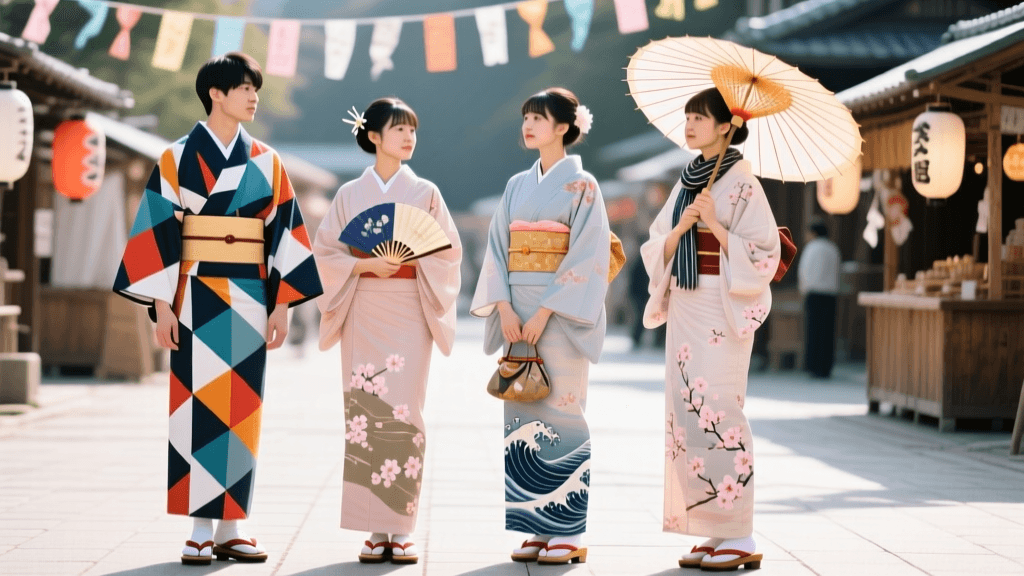
The Kinu-Zure Effect: Kimono Fabric Sound & Texture Guide 2026

Beyond the Visual: The Sensory Philosophy of Japanese Dress
In the contemporary fashion landscape of 2026, the global slow fashion movement has placed a renewed and profound emphasis on 'sensory mindfulness.' While Western sartorial traditions have historically prioritized the visual silhouette and bold aesthetics, traditional Japanese dress engages the wearer and the observer across a multi-sensory spectrum. To truly understand the kimono is to look beyond its breathtaking dye work and intricate embroidery, diving deep into the tactile and acoustic properties of the textiles themselves. The kimono is not merely a garment to be seen; it is an environment to be felt and heard.
At the heart of this sensory experience is the profound relationship between the wearer and the fabric. The weight of the silk against the skin, the subtle friction of layered garments, and the distinct acoustic signatures of different weaves all contribute to an immersive cultural practice. As we navigate 2026, a year marked by a massive resurgence in heritage craftsmanship and tactile authenticity, understanding the sensory nuances of kimono fabrics is essential for collectors, practitioners, and cultural enthusiasts alike.
The Acoustic Signature of Silk: Understanding Kinu-Zure
Perhaps the most poetic and elusive element of the kimono experience is kinu-zure (衣擦れ), which translates literally to 'the rustling of silk.' This is the soft, rhythmic whispering sound produced when the silk layers of a kimono and its undergarments rub against one another as the wearer walks. In traditional Japanese aesthetics, kinu-zure is considered a hallmark of elegance and refined femininity. It is an intimate sound, one that announces a person's presence gently and gracefully before they even enter a room, without the need for loud footsteps or verbal declarations.
The physics behind kinu-zure relies on the unique structure of cultivated silk fibers. The triangular prism-like structure of the silk filament refracts light to create a shimmer, but it also creates a microscopic texture that generates a specific acoustic frequency when subjected to friction. According to the Victoria and Albert Museum's comprehensive guide on the kimono, the evolution of these garments was deeply intertwined with the acoustic environments of traditional wooden architecture. The soft swish of silk complemented the quiet, minimalist spaces of tatami-matted rooms, creating a harmonious auditory landscape.
In 2026, achieving authentic kinu-zure requires more than just purchasing a silk kimono; it requires an understanding of how the garment is dressed. The sound is primarily generated by the friction between the nagajuban (the under-kimono) and the outer kimono, as well as the tension applied by the koshihimo (tying sashes). A loosely tied garment will drape silently, while a properly dressed kimono, secured with traditional tension, creates the necessary friction to sing.
Tactile Landscapes: Chirimen, Rinzu, and Tsumugi
The tactile experience of a kimono is dictated by its weave. Japanese textile artisans have spent centuries perfecting techniques that transform raw silk into fabrics with wildly different hand-feels, drapes, and acoustic profiles. When curating a sensory wardrobe in 2026, it is vital to understand the 'Tactile Trinity' of kimono fabrics.
Chirimen (Crepe)
Chirimen is characterized by its distinctive bumpy texture, known as shibo. This is achieved by over-twisting the weft threads before weaving, and then relaxing them afterward, causing the fabric to pucker. The result is a matte, deeply textured fabric that feels incredibly soft and pliable against the skin. Chirimen absorbs dye beautifully, resulting in rich, deep colors. Acoustically, the uneven surface diffuses sound, resulting in a very muted, soft whisper when worn.
Rinzu (Damask)
Rinzu is a figured silk weave, similar to Western damask, where the pattern is created by the contrast between a glossy satin weave background and a matte twill weave pattern. Rinzu is exceptionally smooth, slippery, and lustrous. Because the surface is so flat and the fibers are tightly aligned, Rinzu produces the most pronounced and crisp kinu-zure sound. It feels cool to the touch and drapes with a heavy, liquid fluidity.
Tsumugi (Pongee)
Unlike the refined, cultivated silk of Chirimen and Rinzu, Tsumugi is traditionally woven from wild silk floss or leftover silk fibers, spun by hand. This results in a fabric with a slubbed, slightly irregular texture that feels crisp, dry, and almost paper-like. Tsumugi is highly valued for its rustic elegance (wabi-sabi) and its incredible durability. It produces a distinct, slightly raspy acoustic signature, entirely different from the whisper of cultivated silk.
| Fabric Type | Texture Profile | Acoustic Signature | Weight & Drape | Best 2026 Use Case |
|---|---|---|---|---|
| Chirimen (Crepe) | Matte, subtly bumpy, exceptionally soft | Muted, soft whisper | Medium weight, pliable drape | Everyday wear, informal tea gatherings |
| Rinzu (Damask) | Smooth, glossy, cool to the touch | Crisp, pronounced rustle | Heavy, fluid, liquid drape | Formal ceremonies, weddings, stage performances |
| Tsumugi (Pongee) | Slubbed, dry, crisp, slightly irregular | Raspy, earthy friction | Lightweight, structured, holds shape | Casual outings, artisan workshops, travel |
| Ro / Sha (Gauze) | Sheer, net-like, slightly stiff | Faint, papery swish | Ultra-lightweight, breathable | High-summer festivals, outdoor events |
2026 Innovations: Sustainable Silks and Sensory Replicas
The year 2026 has brought significant advancements in sustainable textile production, heavily influencing the kimono market. With the rising demand for cruelty-free and eco-conscious fashion, artisans and material scientists have collaborated to create 'peace silks' (Ahimsa silk) and lab-grown protein fibers that attempt to replicate the sensory properties of traditional cultivated silk. While early iterations of these sustainable alternatives struggled to capture the acoustic magic of kinu-zure, the latest 2026 bio-engineered silk blends have achieved a near-identical microscopic triangular structure, allowing for the beloved rustling sound without the traditional environmental footprint.
For purists and collectors seeking heritage garments, the market for vintage and antique silks has surged. The Traditional Craft Products of Japan designation remains the gold standard for buyers in 2026, ensuring that textiles like Oshima Tsumugi or Yuki Tsumugi are woven using authentic, centuries-old methods that guarantee the correct tactile and acoustic properties. Furthermore, cultural immersion programs highlighted by the Japan National Tourism Organization increasingly feature sensory-focused workshops, allowing international visitors to blind-test fabrics and learn the art of dressing specifically to enhance the garment's sound.
How to Curate and Maintain a Sensory Kimono Wardrobe
Building a kimono wardrobe based on sensory experience requires a shift in how we evaluate garments. Instead of looking only at the visual motif, you must close your eyes and feel the drape, listen to the friction, and assess the weight. When shopping in 2026, whether in the vintage shops of Kyoto or through specialized online heritage dealers, always request a 'hand and sound' description from the seller if you cannot examine the piece in person.
Acoustic and Tactile Preservation Techniques
The sensory properties of silk are highly susceptible to environmental factors, improper storage, and harsh cleaning methods. To maintain the crispness of Tsumugi and the whisper of Chirimen, adhere to the following maintenance protocols:
- Airing (Mushiboshi): Twice a year, ideally in the dry, crisp air of late autumn or early winter, remove your kimonos from their storage. Hang them in a shaded, well-ventilated area. This allows the silk fibers to 'breathe' and release any absorbed ambient moisture, which can otherwise weigh down the fibers and muffle the kinu-zure sound.
- Proper Folding and Tatou Paper: Never store a kimono on a wire hanger, as this distorts the weave and ruins the drape. Fold the garment along its traditional seams and wrap it in acid-free tatou paper. The paper absorbs excess humidity and prevents the silk from rubbing against itself in the drawer, which can cause micro-abrasions that dull the fabric's surface texture over time.
- Cleaning Considerations: Modern dry cleaning solvents can strip the natural sericin remnants and oils from the silk, leaving it brittle and altering its acoustic profile. In 2026, seek out specialized heritage cleaners who use gentle, organic hydrocarbon solvents or traditional arai-hari (wash and stretch) methods, where the garment is taken apart, washed in mild water, and stretched on wooden boards to dry. This traditional method restores the original tension and 'memory' of the weave, reviving its sensory qualities.
- The Role of the Nagajuban: To protect the outer kimono from body oils and sweat, always wear a high-quality nagajuban. In 2026, breathable bamboo-silk blends are popular for the undergarment, but if your primary goal is maximizing kinu-zure, a traditional silk nagajuban is non-negotiable. The friction between two layers of silk creates a far richer sound than silk rubbing against cotton or synthetic blends.
Conclusion: Embracing the Unseen Elegance
The kimono is a masterclass in holistic design, proving that true luxury engages the entire human sensorium. As we move deeper into 2026, the appreciation for kinu-zure and the distinct textures of Japanese weaves offers a grounding antidote to the fast-paced, purely visual nature of digital fashion. By understanding the physics of the rustle, the history of the weave, and the meticulous care required to preserve these sensory details, we do more than just wear a garment. We participate in a living, breathing, and whispering tradition that has echoed through the corridors of Japanese history for centuries.