2026 Extreme Climate Hanfu Guide: Hot & Cold Wear
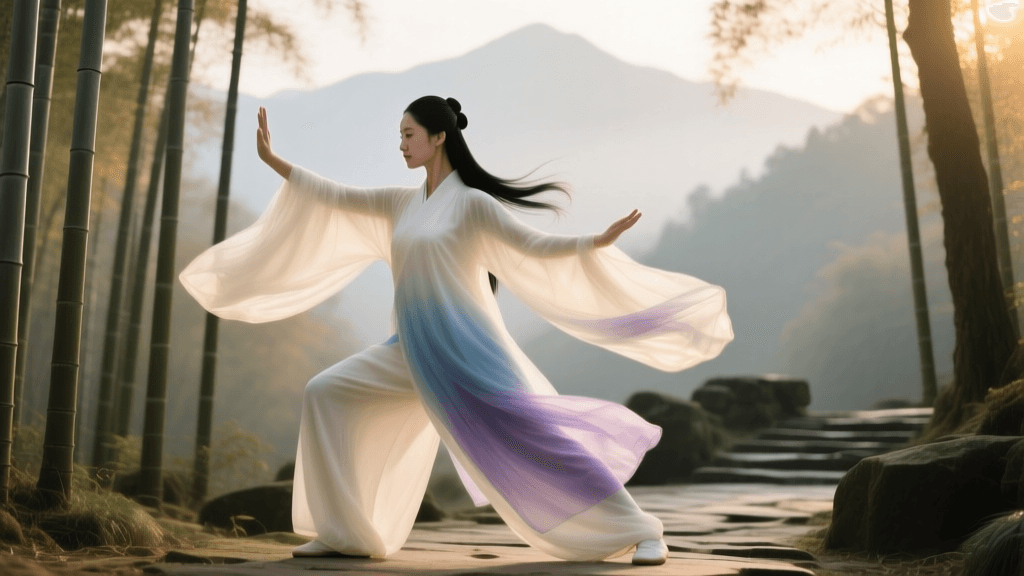
The Global Hanfu Movement Meets Extreme Climates in 2026
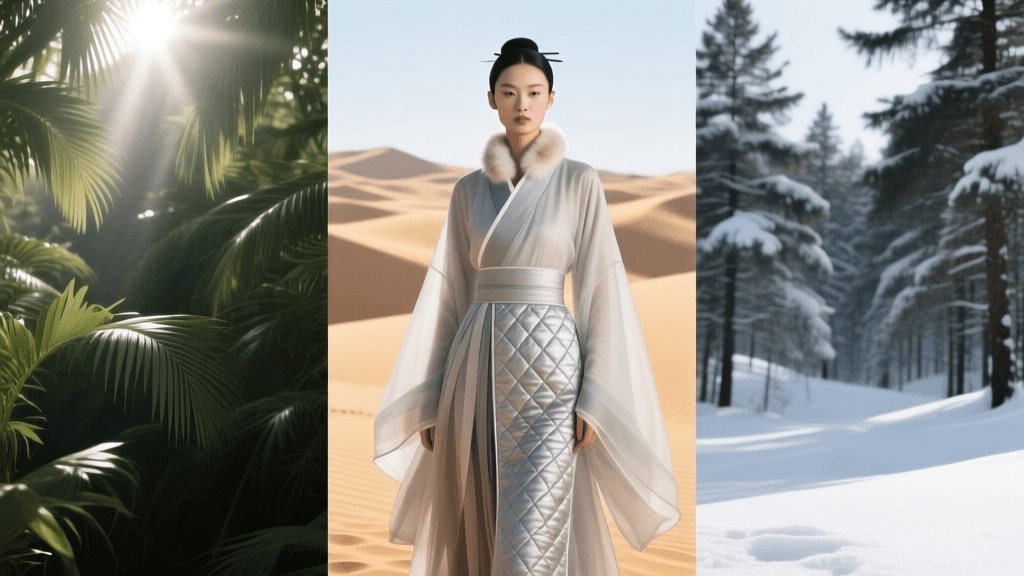
The Hanfu renaissance has evolved dramatically by 2026. What began as a cultural revival in mainland China has blossomed into a global sartorial movement, with enthusiasts wearing traditional Han Chinese garments from the humid streets of Singapore to the arid dunes of Dubai and the freezing winters of Reykjavik. However, traditional garments originally designed for the temperate, four-season climate of the Yellow and Yangtze River basins require thoughtful adaptation when exposed to environmental extremes.
In 2026, the intersection of historical accuracy and modern textile science has allowed Hanfu wearers to maintain cultural authenticity while prioritizing comfort and survival in harsh conditions. Whether you are battling oppressive tropical humidity, abrasive desert winds, or sub-zero alpine chills, this comprehensive guide details how to select, style, and care for Hanfu in extreme climates.
Tropical and Humid Climates: Beating the Heat
Wearing Hanfu in tropical regions like Southeast Asia, the American South, or coastal Australia presents a unique challenge: high heat combined with suffocating humidity. The traditional layering of zhongyi (inner garments) and heavy silks can quickly lead to heat exhaustion.
Optimal Styles for the Tropics
For tropical environments, the Song Dynasty Beizi (an open-front, long-sleeved jacket) paired with a lightweight Ruqun (skirt and top ensemble) is the gold standard. The side-slits of the Beizi allow for maximum airflow, while the separate skirt prevents the fabric from clinging to the legs. In 2026, many wearers opt for the Duan Ru (short top) with a Bapo Qun (eight-panel skirt) to reduce the total fabric weight resting on the body.
Fabric Innovations: Ramie and Cupro
Historically, ancient Chinese commoners and scholars alike relied on Xia Bu (summer cloth), a finely woven ramie textile, to survive the southern summers. According to the Metropolitan Museum of Art's textile archives, plant-based fibers like ramie and hemp have been foundational to Chinese summer dress for millennia due to their natural moisture-wicking and quick-drying properties.
In 2026, the most sought-after tropical Hanfu fabrics are ramie-cupro blends. Cupro, a regenerated cellulose fiber derived from cotton linter, provides the silky drape and elegant movement required for Hanfu aesthetics, while the ramie core offers structural breathability and anti-bacterial properties. Expect to pay between $90 and $140 USD for a high-quality, enzyme-washed ramie-cupro Song Dynasty set from specialized 2026 makers.
- Underlayers: Skip traditional cotton zhongyi. Instead, wear a modern, ultra-thin bamboo-viscose camisole to absorb sweat without adding bulk.
- Color Palette: Opt for celadon, ice blue, and lotus pink. Lighter colors reflect solar radiation and visually enhance the cooling effect.
Desert and Arid Climates: UV Protection and Sand Defense
Desert environments, such as the American Southwest, the Middle East, and Northwestern China, feature intense ultraviolet radiation, dry heat, and drastic temperature drops after sunset. Furthermore, windblown sand can easily damage delicate textile weaves.
Optimal Styles for the Desert
The Ming Dynasty Daopao (a wide-sleeved, full-length robe with side slits and hidden pleats) is exceptionally well-suited for the desert. The voluminous sleeves create a microclimate of circulating air around the arms, while the high collar protects the neck from severe sunburn. To protect the face and hair from sandstorms and glaring sun, the Weimao (a traditional wide-brimmed hat with a sheer veil) has seen a massive resurgence in 2026 desert Hanfu styling.
Fabric Selection: Heavyweight Raw Silk
While it may seem counterintuitive to wear silk in the heat, tightly woven, heavyweight raw silk (such as Xiangyunsha or mud-silk) is a desert superpower. The UNESCO Intangible Cultural Heritage registry highlights the complex, multi-step craftsmanship of traditional Chinese silk, which naturally blocks up to 90% of UV rays while remaining highly breathable. Xiangyunsha, dyed with yam juice and river mud, develops a rich, dark, leather-like patina that is entirely impervious to sand abrasion and dries almost instantly if exposed to sweat.
- Layering for Night Chills: Desert temperatures can drop by 30 degrees at night. Bring a lightweight, unlined wool Bijia (sleeveless vest) to wear over your Daopao once the sun sets.
- Footwear: Traditional cloth shoes will be destroyed by desert terrain. In 2026, custom Hanfu-compatible leather riding boots with hidden elastic gussets are the preferred choice for dune walking.
Cold and Freezing Regions: Windproofing and Insulation
Wearing Hanfu in freezing climates like Northern Europe, Canada, or Northeast Asia requires a mastery of historical layering techniques combined with modern thermal technology. The goal is to trap heat while maintaining the elegant, flowing silhouette of the garments.
Optimal Styles for the Cold
The Ming Dynasty Pifeng (a long, heavy cloak that fastens at the collar) is the ultimate winter outerwear. Historically lined with animal pelts, the 2026 ethical alternatives utilize high-pile faux-fur and quilted thermal linings. Beneath the Pifeng, the Mamianqun (horse-face skirt) is ideal. Its deep, overlapping pleats allow for the concealment of thick, modern thermal leggings without disrupting the skirt's exterior geometry.
Fabric Selection: Wool-Silk Blends and Brocade
Winter Hanfu relies heavily on Zhijin (gold-woven brocade) and heavy wool-silk blends. The dense weave of a wool-blend Mamianqun acts as a windbreaker, stopping icy gusts from penetrating the garment. For the upper body, a thick, quilted Ao (jacket) with a standing collar provides essential core insulation.
- The Cloud Shoulder (Yunjian): Originally a decorative accessory, the heavily embroidered, faux-fur-trimmed Yunjian is now used in 2026 as a functional thermal collar, trapping heat around the carotid arteries.
- Modern Integration: Wear a merino wool base layer. Merino regulates temperature and resists odors, making it the perfect invisible foundation for a multi-layered winter Hanfu ensemble.
2026 Climate Adaptation Comparison Chart
| Climate Zone | Primary Challenge | Recommended Hanfu Style | Ideal 2026 Fabric | Essential Accessory |
|---|---|---|---|---|
| Tropical / Humid | High heat, sweat, clinging | Song Beizi & Ruqun | Ramie-Cupro Blend | Bamboo Hand Fan |
| Desert / Arid | UV rays, sand, night chill | Ming Daopao | Heavyweight Mud-Silk | Weimao (Veil Hat) |
| Cold / Freezing | Wind chill, snow, freezing | Ming Pifeng & Mamianqun | Wool-Silk Brocade | Faux-Fur Yunjian |
Garment Care in Extreme Environments
Maintaining traditional garments in harsh climates requires specific care protocols to ensure longevity.
Tropical Care
High humidity breeds mildew. Ramie and cotton Hanfu must be washed in cold water with a pH-neutral detergent and dried immediately in direct sunlight. Never store tropical Hanfu in plastic garment bags; use breathable cotton canvas covers with cedar blocks to repel moisture and insects.
Desert Care
Dry heat and UV exposure can cause natural dyes to fade and silk fibers to become brittle. Desert Hanfu should be stored away from direct sunlight when not in use. If your Xiangyunsha garment accumulates sand, never machine wash it. Instead, use a soft-bristled brush to sweep the sand from the weave, and spot-clean with a damp cloth.
Cold Climate Care
Wool and brocade garments worn in snowy regions are susceptible to salt stains from winter roads and moisture damage. Always brush off snow before it melts into the fibers. For deep cleaning, rely on professional dry cleaners who specialize in historical and structured textiles, as the intricate pleats of a Mamianqun can be permanently ruined by improper pressing.
Conclusion
The year 2026 marks a definitive era where Hanfu is no longer restricted by geography or weather. By understanding the historical ingenuity of Chinese textile design and embracing modern fabric blends, enthusiasts can confidently wear their heritage in any environment. Whether you are seeking the cooling embrace of ramie in the tropics, the UV-deflecting power of mud-silk in the desert, or the windproof warmth of wool brocade in the snow, the perfect climate-adaptive Hanfu awaits.