2026 Global Fashion Media: Hanbok And Sari Editorials
The 2026 Editorial Shift: From Exoticism to Structural Mastery
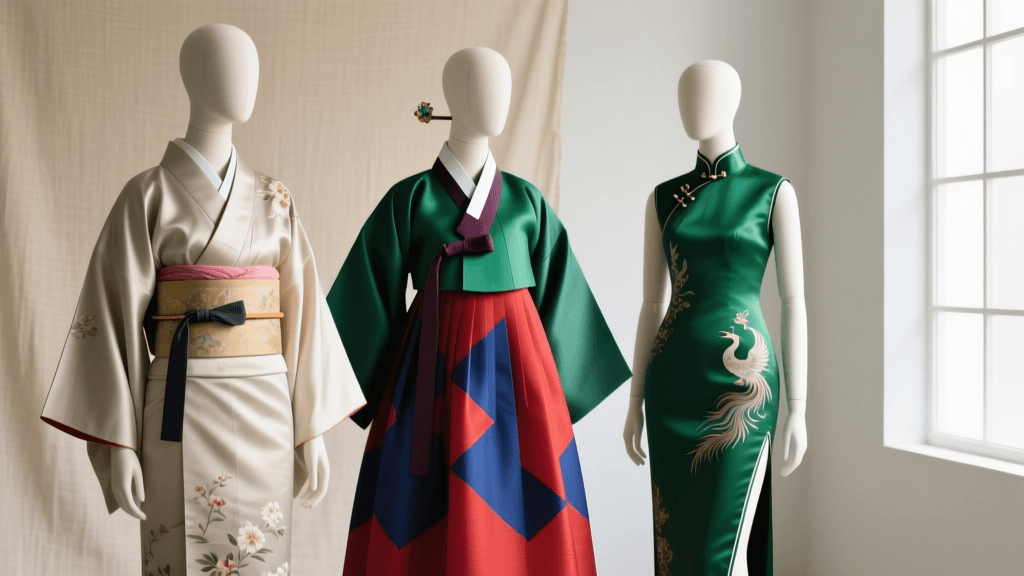
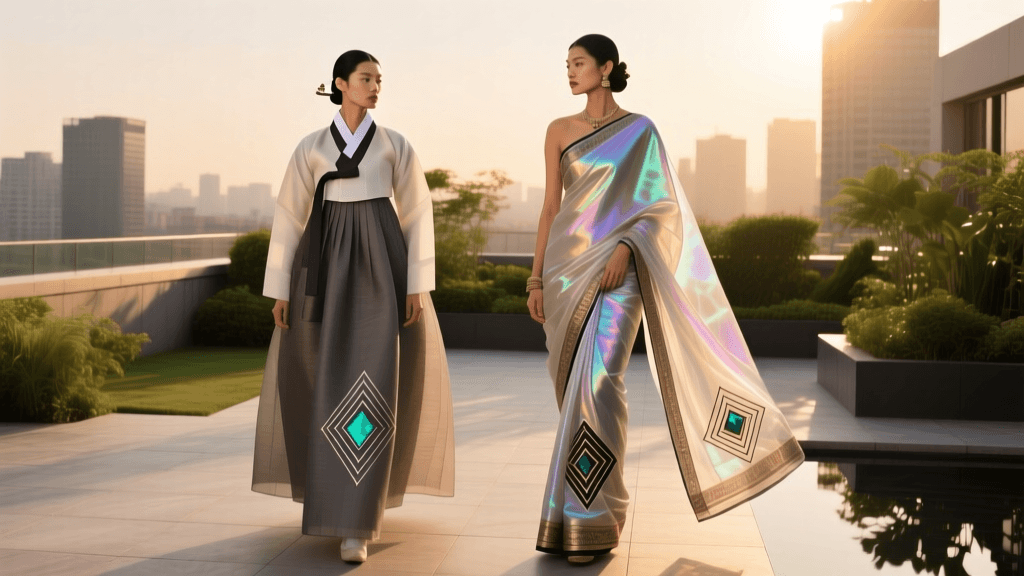
In 2026, the global fashion media landscape has undergone a profound maturation regarding Asian traditional garments. Leading publications such as Vogue, Harper's Bazaar, and i-D have decisively moved away from the superficial 'orientalist' tropes that plagued early 2010s editorials. Today, fashion journalism treats the Korean hanbok and the South Asian sari not as exotic costumes, but as masterclasses in silhouette, drape, and structural engineering. This shift reflects a broader industry demand for cultural depth, where stylists and editors collaborate directly with heritage artisans to present these garments through a lens of high-fashion architectural reverence.
The Spring/Summer 2026 editorial spreads highlight a distinct focus on the foundational geometry of Asian dress. Rather than merely placing a traditional garment on a Western model, contemporary fashion media is deconstructing the jeogori (hanbok jacket) and the pallu (sari drape) to explore how centuries-old making techniques can inform modern avant-garde styling. This article breaks down how global media is interpreting these garments in 2026 and provides actionable advice for integrating these editorial trends into your contemporary wardrobe.
Deconstructing the Hanbok in High Fashion
The hanbok's defining characteristic is its volumetric contrast: a fitted, structured upper body juxtaposed with an expansive, flowing lower half. In 2026 fashion editorials, stylists are exaggerating this contrast using modern textiles. The traditional chima (wrap skirt) is being rendered in stiffened silk organza and recycled taffeta, creating bell-like, architectural silhouettes that hold their shape without the need for traditional undergarments like the sokchima.
Fashion critics are particularly captivated by the modern interpretation of the goreum (the long, trailing ties of the jeogori). In recent Paris and Milan editorial shoots, the goreum has been elongated and repurposed as a dynamic styling element—wrapped around the waist like a modern obi, or left to trail dramatically to capture movement in high-speed photography. According to archival structures documented by the Metropolitan Museum of Art's Asian Art collection, the hanbok's lines were historically designed to reflect the natural contours and movements of the body, a philosophy that 2026 fashion photographers are capturing through dynamic, wind-swept editorial lighting.
Actionable Styling: The Modern Jeogori
To replicate the 2026 editorial hanbok aesthetic in daily wear, focus on the cropped silhouette of the jeogori. Pair a modern, minimalist jeogori crafted from matte silk or structured cotton with high-waisted, wide-leg wool trousers. This maintains the traditional high-waist visual line while grounding the outfit in contemporary tailoring. Avoid overly shiny synthetic satins; 2026 media favors the muted, tactile elegance of raw silk and organic hemp blends.
The Sari as Avant-Garde Sculptural Wear
While the hanbok is celebrated for its volume, the sari is being lauded in 2026 media for its sculptural fluidity. The traditional six-to-nine yards of unstitched fabric is no longer confined to the standard Nivi drape in high-fashion spreads. Instead, international stylists are employing the 'concept drape'—a technique that treats the sari as a modular piece of fabric capable of forming capes, asymmetrical tunics, and structured cowls.
The Victoria and Albert Museum's Asian collections highlight the incredible regional diversity of sari draping styles, from the Gujarati seedha pallu to the Kodagu wrap. 2026 editorial teams are drawing heavily on these regional variations, combining them with modern hardware. It is now common to see a sari's pleats secured not by tucking, but by bespoke metallic clasps or integrated into the seam of a structured blazer. This fusion of ancient draping logic with modern hardware is the defining sari trend of the year.
Actionable Styling: The Concept Drape
For a modern, editorial sari look, invest in a pre-draped sari skirt or a structured sari-gown hybrid. Pair a heavily embroidered Banarasi sari skirt with a sharp, oversized menswear blazer and a simple silk camisole. This juxtaposition of hyper-traditional zari weaving with severe, modern tailoring is the exact formula dominating 2026 fashion week street style and editorial pages.
The Artisan Interview: Media's New Standard
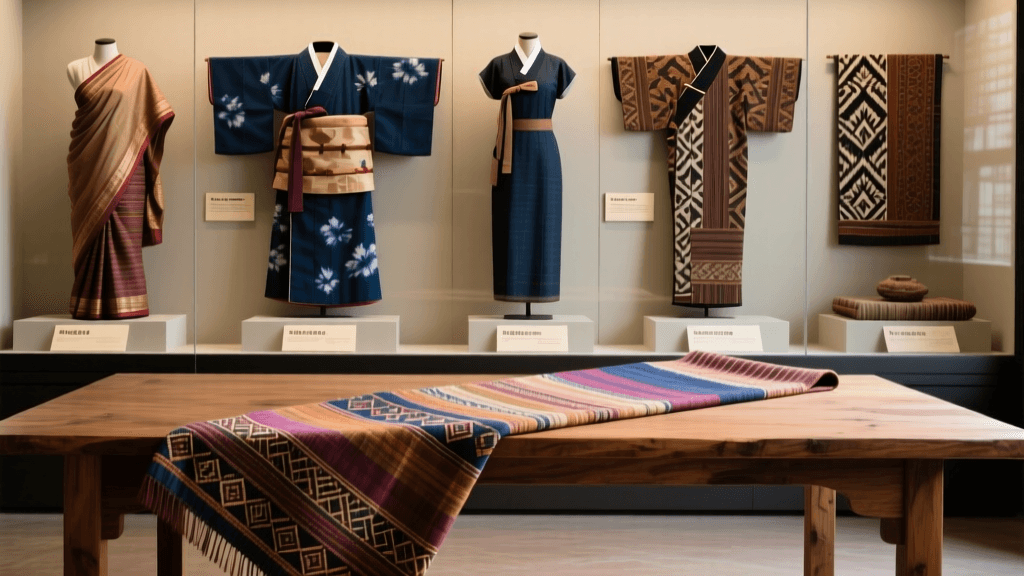
A crucial development in 2026 fashion journalism is the mandatory inclusion of artisan attribution. When global media features a handwoven Kanjeevaram sari or a meticulously embroidered Seoul-based hanbok, the accompanying articles now prominently feature interviews with the weavers and embroiderers, not just the brand's creative director. This aligns with the global push to protect traditional crafts, many of which are recognized by UNESCO's Intangible Cultural Heritage lists. By highlighting the hundreds of hours required to operate a jacquard loom or execute traditional geumbak (gold leaf imprinting) on a hanbok, fashion media is educating consumers on the true value of these garments, effectively combating the fast-fashion appropriation of Asian motifs.
Comparison Chart: Traditional vs. 2026 Editorial Styling
| Garment Element | Traditional Application | 2026 Editorial Interpretation | Key Fabric Innovations |
|---|---|---|---|
| Hanbok Chima (Skirt) | A-line, floor-length, gathered at the chest | Asymmetrical hems, architectural volume, split-front draping | Stiffened silk organza, recycled taffeta, neoprene blends |
| Hanbok Jeogori (Jacket) | Cropped, curved sleeves, long goreum ties | Sharpened shoulders, elongated ties used as belts, cropped bolero style | Matte raw silk, structured organic hemp, vegan leather accents |
| Sari Pallu (Drape) | Flowing over the left shoulder, pleated or loose | Sculptural cowls, cape-like structures, integrated into tailored suiting | Metallic zari blends, sheer structural organza, weighted silk crepe |
| Sari Pleats | Tucked into the petticoat at the navel | Secured by metallic hardware, stitched into tailored skirts, fanned out | Pre-pleated heat-set silks, memory-fabric blends for permanent structure |
Sourcing Authentic Pieces for Editorial Styling
To build a wardrobe that reflects the 2026 editorial appreciation of Asian garments, sourcing authentic, high-quality pieces is paramount. The market has bifurcated into accessible fusion-wear and investment-grade heritage pieces.
- Modern Fusion Hanbok Tops: Brands based in Seoul and Los Angeles are offering contemporary jeogori tops designed specifically for pairing with Western denim and trousers. Expect to pay between $150 and $350 in 2026 for high-quality, ethically produced fusion tops featuring traditional dongjeong (white collar) details.
- Handwoven Heritage Saris: For editorial-level draping, a genuine handloom sari is essential. A pure silk Banarasi or Patola sari, sourced directly from verified weaving cooperatives in India, ranges from $400 to $1,500 in the 2026 market. These pieces hold their sculptural shape far better than mass-produced power-loom alternatives.
- Structural Sari Skirts: For the blazer-pairing trend, look for pre-stitched sari skirts with heavy borders. These typically cost between $120 and $250 and offer the visual impact of a sari with the ease of a midi-skirt.
Conclusion
The 2026 global fashion media landscape has finally afforded the hanbok and the sari the structural and historical respect they command. By moving beyond mere aesthetic borrowing and embracing the architectural genius of Asian traditional garments, editors and stylists are charting a new course for cross-cultural fashion. Whether you are adopting the volumetric grace of a modernized chima or the sculptural drape of a concept sari, the key to 2026 styling lies in honoring the garment's heritage while confidently asserting its place in the contemporary wardrobe.