Buying Authentic Hanbok Online in 2026: Top Marketplaces & Sizing
The Evolution of Online Hanbok Shopping in 2026
The global appreciation for traditional Asian garments has reached unprecedented heights in 2026, with the Korean hanbok leading a major resurgence in both ceremonial and daily wear. No longer confined to historical dramas or festive holidays, the modern saenghwal hanbok (daily hanbok) has become a staple in contemporary wardrobes worldwide. However, as demand has surged, so has the proliferation of cheap, mass-produced costumes that misrepresent the garment's rich cultural heritage. For enthusiasts, collectors, and those seeking authentic ceremonial wear, navigating the digital landscape requires a strategic approach. This comprehensive guide explores the most trusted online marketplaces, the intricacies of using Korean proxy shopping services, and the essential sizing metrics you need to secure an authentic, perfectly tailored hanbok in 2026.
Understanding the Anatomy of the Hanbok
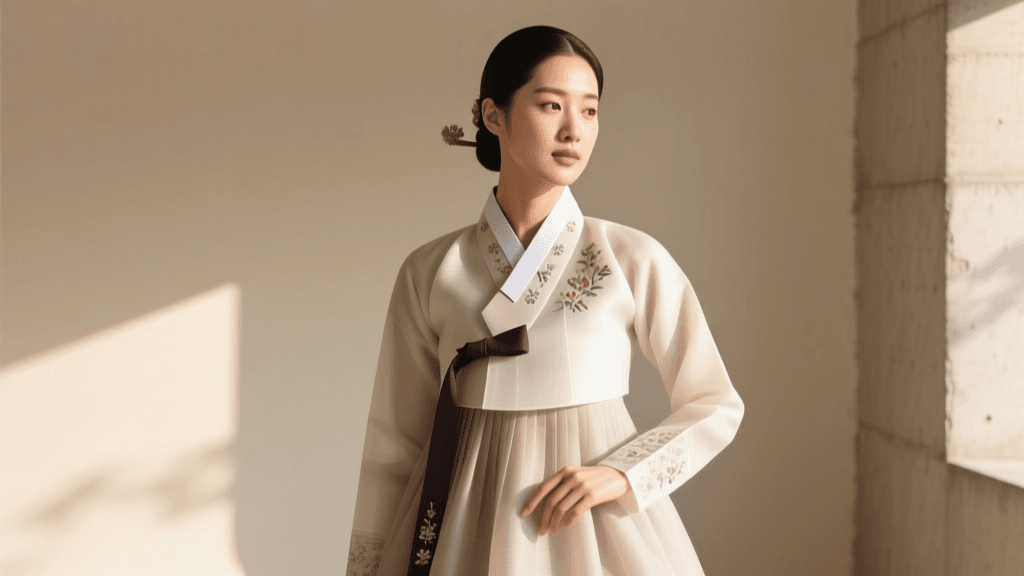
Before adding items to your cart, it is crucial to understand the structural components of the hanbok. As detailed in The Metropolitan Museum of Art's archives on Korean fashion, the traditional silhouette is defined by its graceful lines and vibrant contrasts, deeply rooted in historical Korean philosophy. A standard women's hanbok consists of the jeogori (the short, cropped jacket) and the chima (the full, wrap-around skirt). For men, the ensemble typically includes a jeogori and baji (roomy, relaxed trousers), often layered with a durumagi (overcoat) for formal occasions. The goreum, the long, elegant ribbon ties that secure the jeogori, are a hallmark of authentic construction. In 2026, authentic retailers focus heavily on the structural integrity of the goreum and the precise pleating of the chima, ensuring the garment drapes correctly rather than hanging stiffly like a costume.
Top Trusted Marketplaces for Authentic Hanbok
Finding genuine, high-quality hanbok requires looking beyond standard fast-fashion aggregators. Here are the premier platforms for sourcing authentic garments directly from Korea in 2026.
1. Gmarket Global and 11st
These two e-commerce giants remain the most accessible entry points for international buyers. Gmarket Global offers an English interface and direct international shipping via EMS and specialized couriers. In 2026, Gmarket has integrated AI-driven virtual fitting tools that allow you to input your exact measurements to visualize how different chima lengths and jeogori cuts will drape on your specific body type. Look for official storefronts of established brands like Sonjjang or Lee Young-Hee, which guarantee authentic textiles and traditional tailoring techniques. Expect to pay between 120,000 KRW and 300,000 KRW ($90 to $225 USD) for a high-quality daily wear set.
2. Specialized Direct-to-Consumer Boutiques
For those seeking ceremonial hanbok, wedding attire, or premium silk blends, specialized boutiques with global shipping portals are the best option. Brands like Hanbok Story and The Hanbok Studio have optimized their international checkout processes for 2026, offering detailed video consultations to discuss custom embroidery and color matching based on the traditional obangsek (five-color) theory. These boutiques often use authentic myeongju (raw silk) and high-grade ramie, materials that are rarely found on mass-market platforms.
3. Naver Shopping via Proxy Services
Naver Shopping is the ultimate search engine for domestic Korean retail, hosting thousands of independent artisans and small-batch weavers. Because Naver Shopping vendors rarely ship internationally, utilizing a proxy service is mandatory for international buyers. This method unlocks the widest variety of authentic, handmade, and vintage hanbok available on the market.
Navigating Proxy Services for Domestic Korean Sites
Proxy shopping services act as your local representative in Korea. They receive your domestic orders at their warehouse, consolidate multiple purchases, and ship them internationally. In 2026, services like Delivered Korea and Harumio have streamlined this process significantly.
- Step 1: Search and Paste. Find your desired hanbok on Naver Shopping or a domestic Korean boutique. Copy the product URL and paste it into the proxy service's search bar.
- Step 2: Order Placement. The proxy will calculate the domestic shipping fee and their service commission (usually 5-10% of the item price). You pay this upfront.
- Step 3: Warehouse Arrival and QC. Once the item arrives at the proxy's Incheon or Seoul warehouse, they will upload high-resolution quality control photos. This is your chance to verify the fabric sheen, check the stitching on the goreum, and ensure the color matches your expectations before it leaves the country.
- Step 4: International Consolidation. If you bought matching accessories like binyeo (hairpins) or kkotsin (traditional shoes), the proxy will combine them into one box, saving you significantly on the 2026 international shipping rates, which currently average $28 USD for a 2kg EMS package to North America.
The 2026 Hanbok Sizing and Measurement Guide
Sizing is the most common pitfall for international buyers. Korean sizing does not align with Western vanity sizing; it is strictly based on precise bust and waist measurements. Furthermore, the fit of a hanbok is intentionally different from Western clothing. The jeogori should fit snugly across the shoulders and bust without pulling, while the chima sits high, just below the bust line, rather than on the natural waist. According to Korea.net's official guide to traditional clothing, the high waistline is essential for creating the traditional bell-shaped silhouette and allowing for graceful movement.
Below is the standard 2026 conversion chart for women's hanbok sizing. Always measure yourself with a soft tape measure while wearing the undergarments you plan to wear beneath the hanbok.
| KR Size | US / UK Equivalent | Bust Measurement (cm) | Chima Waist / High Waist (cm) | Jeogori Length (cm) |
|---|---|---|---|---|
| 44 | US 2 / UK 6 (XS) | 80 - 85 | 65 - 70 | 22 - 24 |
| 55 | US 4-6 / UK 8-10 (S) | 85 - 90 | 70 - 75 | 24 - 26 |
| 66 | US 8-10 / UK 12-14 (M) | 90 - 96 | 75 - 82 | 26 - 28 |
| 77 | US 12-14 / UK 16-18 (L) | 96 - 104 | 82 - 90 | 28 - 30 |
| 88 | US 16+ / UK 20+ (XL) | 104 - 112 | 90 - 98 | 30 - 32 |
Note: If you fall between sizes, always size up for the jeogori to ensure comfort across the shoulders, but size down for the chima to prevent the heavy skirt from slipping down during wear.
Spotting Authentic Fabrics vs. Fast-Fashion Costumes
The 2026 market is flooded with 'hanbok-style' dresses made from cheap, unbreathable polyester. To ensure you are purchasing an authentic garment, scrutinize the product descriptions for specific textile terminology. Genuine hanbok makers will explicitly list materials like myeongju (silk), mosi (ramie, ideal for summer), or high-quality sa (gauze). If a listing simply says 'polyester blend' without mentioning the weave or traditional finishing techniques, it is likely a costume. Additionally, authentic chima skirts feature deep, hand-pressed or meticulously machine-pressed pleats that originate from a structured waistband, whereas costumes often use simple gathered elastic waists that destroy the traditional A-line silhouette.
Shipping, Customs, and Garment Care
When ordering internationally, be mindful of your country's customs thresholds for textiles. In 2026, most proxy services offer DDP (Delivered Duty Paid) shipping options, which calculate and collect import taxes at checkout, preventing unexpected fees or delays at your local border. Once your hanbok arrives, proper care is essential to preserve the textiles. While modern saenghwal hanbok made from advanced cotton-linen blends are often machine washable on delicate cycles, authentic silk and ramie garments must be dry-cleaned. Never hang a heavy silk chima by the waistband, as the weight of the fabric will distort the pleats over time. Instead, fold the skirt along its natural pleat lines and store it in a breathable cotton garment bag with natural camphor or cedar blocks to protect the fibers from moisture and pests.