Ceremonial vs Everyday Hanbok and Kimono: 2026 Guide
The Resurgence of Traditional Garments in 2026
As we navigate the fashion landscape of 2026, the distinction between ceremonial and everyday traditional Asian garments has never been more dynamic. Across East Asia, a cultural renaissance is redefining how heritage clothing is worn, purchased, and preserved. While the global fashion industry increasingly draws inspiration from Asian silhouettes, local populations in Japan and South Korea are actively reclaiming their traditional wardrobes. However, a stark divide remains between garments designed for daily, practical wear and those reserved for sacred, ceremonial milestones. Understanding the nuances between everyday streetwear and high-end ceremonial attire is essential for anyone looking to respectfully engage with, purchase, or style these magnificent textiles. This comprehensive guide explores the structural, material, and cultural differences between everyday and ceremonial hanbok and kimono in 2026, providing actionable insights for collectors, travelers, and fashion enthusiasts alike.
Japanese Kimono: From Streetwear to Sacred Halls
The Japanese kimono is arguably the most globally recognized traditional garment, yet the term 'kimono' encompasses a vast spectrum of formality. In 2026, the kimono rental and retail markets are highly segmented, catering to both the casual tourist seeking a comfortable walking outfit and the local resident preparing for a coming-of-age ceremony or wedding. The fundamental difference lies in the fabric weight, the complexity of the dyeing technique, and the strict rules governing the obi (sash) and accessories.
Everyday Kimono: Komon, Tsumugi, and Yukata
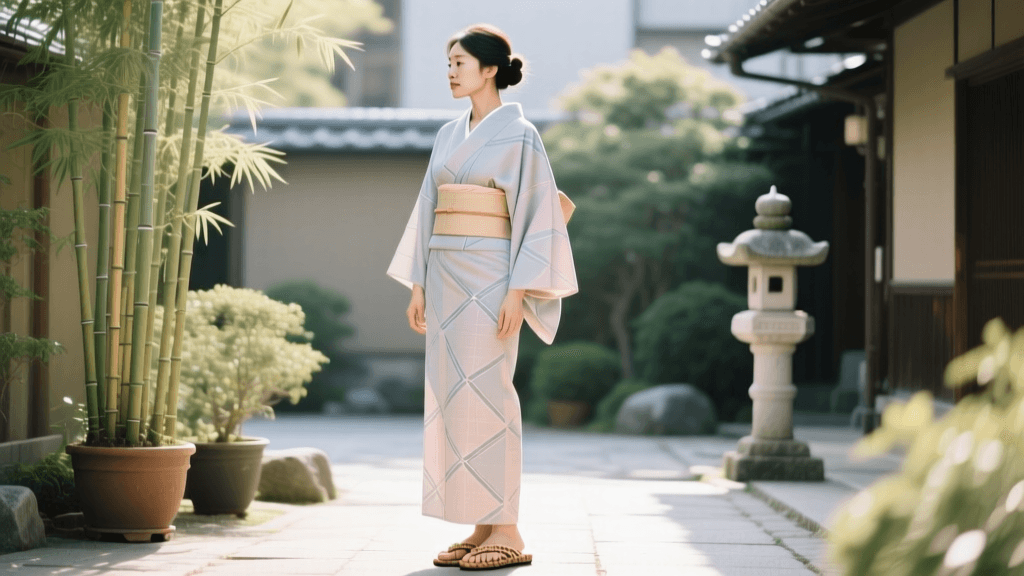
Everyday kimono are designed for mobility, ease of care, and subtle elegance. The yukata, a lightweight cotton garment, remains the quintessential summer staple. In 2026, modern yukata often feature machine-washable cotton-polyester blends and contemporary, minimalist prints that appeal to younger demographics. For cooler months, the komon (a kimono with a repeating, all-over pattern) and tsumugi (a slubbed, textured silk or cotton weave) serve as the standard daily wear. These garments are characterized by their relatively simple construction and the use of a nagoya obi, which is pre-folded and easier to tie than formal sashes. According to the Japan National Tourism Organization, everyday kimono rentals in cultural hubs like Kyoto and Kanazawa average between ¥5,000 and ¥8,000 in 2026, making them highly accessible. Furthermore, everyday styling in 2026 frequently incorporates modern footwear, such as leather loafers or clean sneakers, paired with ankle-length tabi socks, reflecting a pragmatic approach to heritage fashion.
Ceremonial Kimono: Furisode, Tomesode, and Uchikake
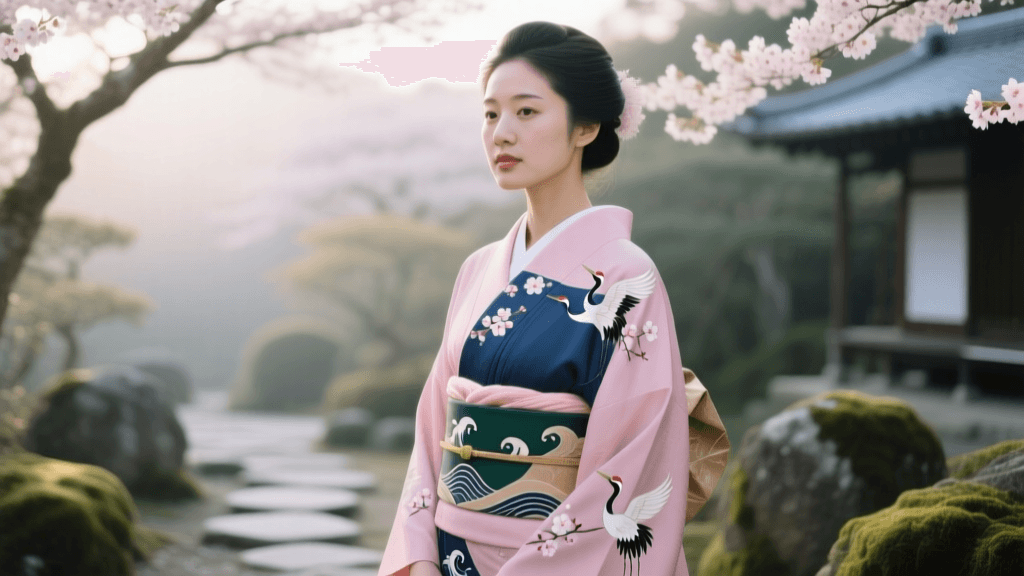
Ceremonial kimono represent the pinnacle of Japanese textile artistry. The furisode, characterized by its dramatically long, swinging sleeves, is strictly reserved for unmarried women attending formal events like the Seijin-shiki (Coming of Age Day) or weddings. The kurotomesode (black with crests and hem patterns) is the highest formality for married women. These garments are crafted from heavy, meticulously dyed chirimen (crepe silk) or rinzu (silk damask) and feature lavish gold and silver leaf embroidery. In 2026, the application of nano-coating technologies has begun to appear on high-end ceremonial silks, offering slight water resistance without compromising the fabric's breathability or drape. The obi worn with these garments is a fukuro obi, heavily brocaded and requiring professional assistance to tie into complex knots like the nijuudaiko. Renting a full ceremonial furisode ensemble in 2026 typically costs between ¥20,000 and ¥45,000, reflecting the immense labor required to maintain and dress the wearer in these multi-layered masterpieces.
Korean Hanbok: Balancing Heritage and Modernity
The Korean hanbok has experienced a massive evolution over the last decade. By 2026, the hanbok is not merely a relic of the Joseon Dynasty but a living, breathing element of Korean street fashion and high-end couture. The structural differences between everyday and ceremonial hanbok are rooted in the garment's silhouette, the volume of the chima (skirt), and the historical accuracy of the jeogori (jacket).
Everyday Hanbok: Saenghwal and Gaeryang Styles
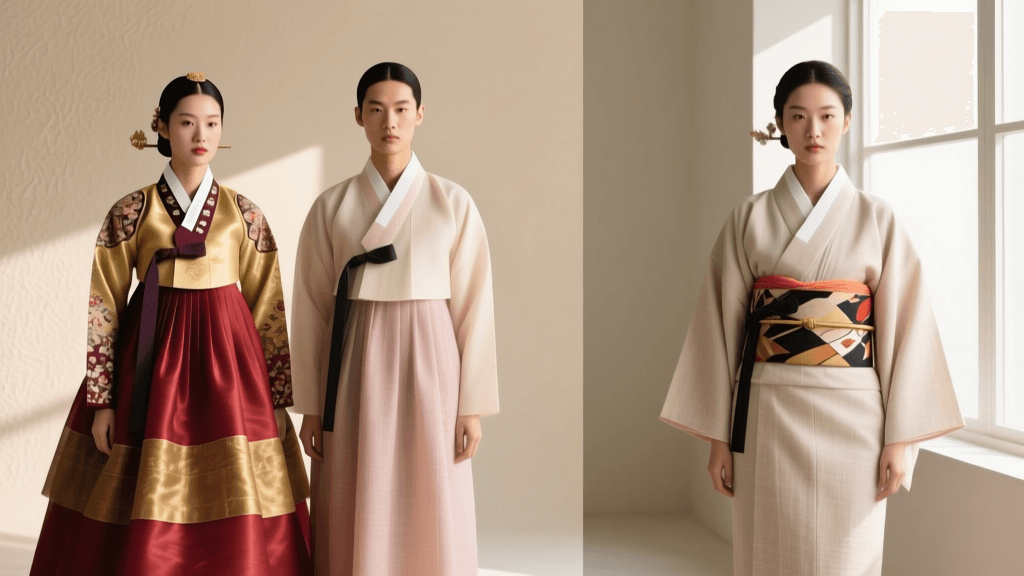
Everyday hanbok, often referred to as saenghwal (daily life) or gaeryang (improved/modified) hanbok, prioritizes comfort and practicality. The traditional, voluminous skirts are shortened to midi or knee-length, and the voluminous sleeves of the jeogori are narrowed to prevent interference with modern tasks like typing or commuting. In 2026, everyday hanbok are predominantly crafted from breathable linen-cotton blends, lightweight wool, and sustainable hemp fabrics. The color palettes lean toward muted, earthy tones—sage greens, dusty pinks, and charcoal grays—departing from the vibrant primary colors of historical court dress. The Korea.net (Official Portal of the Republic of Korea) frequently highlights how everyday hanbok has been integrated into modern office wear and casual weekend outings in Seoul. A complete, high-quality everyday hanbok set from a contemporary boutique in the Insadong district retails for approximately ₩120,000 to ₩180,000 in 2026. These garments are designed to be machine-washable and require minimal ironing, removing the historical barriers to daily wear.
Ceremonial Hanbok: Hwalot, Dangui, and Myeonbok
Ceremonial hanbok adheres strictly to historical precedents and is worn during major holidays like Chuseok and Seollal, traditional weddings, and ancestral rites (jerye). The hwalot (a lavish, wide-sleeved robe embroidered with peonies and phoenixes) and the dangui (a formal jacket with extended front and back panels) are prime examples of ceremonial womenswear. For men, the myeonbok (court attire) or a formal durumagi (overcoat) paired with a gat (traditional hat) is standard. Ceremonial hanbok utilizes heavy, lustrous silks, intricate gold-leaf stamping (geumbak), and complex, multi-layered petticoats to achieve the iconic, bell-shaped silhouette. The goreum (coat strings) are significantly longer and wider than those on everyday versions. Unlike the modified everyday styles, ceremonial hanbok demands traditional styling, including specific braided hairstyles, ornate hairpins (binyeo), and traditional rubber shoes (kkotsin). The Metropolitan Museum of Art notes in its Asian textile archives that the structural integrity of ceremonial hanbok relies on the precise curvature of the seams, a technique that modern mass-production cannot easily replicate, thus keeping the market for bespoke ceremonial hanbok highly specialized and expensive, often exceeding ₩1,500,000 for custom bridal sets in 2026.
2026 Comparison Matrix: Ceremonial vs. Everyday Wear
| Feature | Everyday Garments | Ceremonial Garments |
|---|---|---|
| Primary Fabrics | Cotton, linen, polyester blends, lightweight wool | Heavy silk crepe, silk damask, brocade, gold-leaf stamped silk |
| Silhouette & Fit | Narrow sleeves, shorter skirts, relaxed waistbands | Voluminous skirts, long swinging sleeves, multi-layered undergarments |
| Maintenance | Machine washable, minimal ironing, easy storage | Dry clean only, professional folding, climate-controlled storage |
| 2026 Avg. Rental Cost | ¥5,000 - ¥8,000 (Kimono) / ₩25,000 (Hanbok) | ¥20,000 - ¥45,000 (Kimono) / ₩80,000+ (Hanbok) |
| Styling Rules | Flexible; modern shoes, minimalist accessories allowed | Strict; traditional footwear, specific hair ornaments, family crests required |
Sourcing, Rentals, and Care in 2026
For those looking to acquire or experience these garments in 2026, understanding the market landscape is crucial. Everyday garments are widely available through online retailers, boutique pop-ups, and specialized department store floors. Brands focusing on modern hanbok and contemporary kimono often offer made-to-measure services via 3D body scanning apps, ensuring a perfect fit without the need for multiple in-person tailoring sessions. Ceremonial garments, however, remain the domain of master artisans. In Japan, purchasing a new, bespoke ceremonial kimono involves a multi-month process of selecting the silk, commissioning the dyer, and working with a kitsuke (dressing) professional to ensure the final ensemble is perfectly balanced. In Korea, ceremonial hanbok is often passed down as a family heirloom or rented from high-end bridal and cultural houses.
Care and maintenance have also seen technological advancements. While everyday garments can be tossed into modern washing machines, ceremonial silks require specialized care. In 2026, many high-end dry cleaners in Tokyo and Seoul utilize ozone-cleaning chambers that remove odors and bacteria from heavy ceremonial silks without the use of harsh chemicals that degrade gold leaf or natural dyes. For collectors, storing these garments in breathable, acid-free paulownia wood boxes remains the gold standard to prevent moisture damage and insect infestation.
Conclusion
The dichotomy between ceremonial and everyday traditional garments in 2026 highlights a beautiful tension between preservation and innovation. Everyday kimono and hanbok have successfully adapted to the rhythms of modern life, offering comfort, accessibility, and a subtle nod to heritage. Conversely, ceremonial garments stand as uncompromising guardians of history, demanding time, resources, and deep cultural respect. Whether you are renting a lightweight yukata for a summer festival or commissioning a silk hwalot for a traditional wedding, understanding these distinctions ensures that you engage with Asian textile traditions in a manner that is both stylish and profoundly respectful.