Modern Yukata & Casual Kimono: Everyday Japanese Wear
The Renaissance of Everyday Wafuku
For much of the 20th century, Japanese traditional clothing—collectively known as wafuku—was gradually relegated to the back of the closet, reserved strictly for weddings, tea ceremonies, and coming-of-age festivals. However, a vibrant renaissance is currently underway. Younger generations and global fashion enthusiasts are reclaiming these garments, stripping away the rigid formalities, and integrating them into everyday streetwear. According to Japan Guide's comprehensive overview on traditional Japanese clothing, the modern kimono movement is defined by accessibility, comfort, and personal expression. This guide explores how to incorporate casual traditional Japanese garments like the yukata, the two-piece kimono, and the haori into your daily wardrobe, complete with practical advice on sizing, costs, and styling.
The Yukata: Summer's Accessible Icon
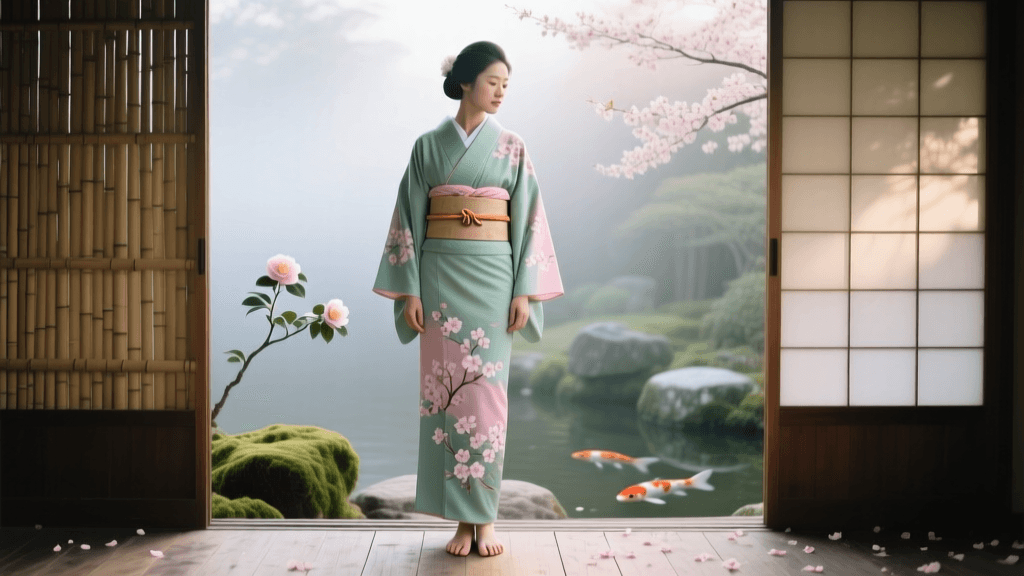
The yukata is the undisputed champion of casual Japanese summer wear. Originally designed as a lightweight bathrobe for the nobility during the Heian period, it evolved into the everyday cotton garment worn by commoners during the Edo period. Today, it remains the most accessible entry point into traditional Japanese fashion.
Fabrics, Costs, and Where to Buy
Unlike formal silk kimono, the yukata is unlined and typically made from breathable cotton, linen, or modern poly-blends. For everyday summer festivals or casual lounging, 100% cotton is highly recommended for its moisture-wicking properties.
- Budget (¥3,000 - ¥5,000 / $20 - $35 USD): Brands like Uniqlo and Yorozu offer machine-washable, pre-cut yukata sets that include the garment, a basic obi belt, and geta sandals. These are perfect for beginners.
- Mid-Range (¥8,000 - ¥15,000 / $55 - $100 USD): Specialty brands like Nishikawa and Fujiya offer higher-quality cotton with traditional chusen (hand-dyed) techniques, ensuring the colors remain vibrant and the fabric softens beautifully over time.
- Premium (¥20,000+ / $135+ USD): Artisanal shops in Kyoto and Tokyo offer custom-fitted yukata made from premium Oshima tsumugi cotton or intricate Shibori tie-dye.
Sizing the Yukata
Traditional yukata are sold in standard 'free sizes' designed to be folded at the waist (the ohashori) to fit the wearer's height. To find your ideal length, measure from the base of your neck (the nape) down to your ankle. A standard women's yukata is usually around 130cm to 140cm in total length. For men, the garment is worn without an ohashori, so the total length should closely match the measurement from the nape to the ankle bone.
The Two-Piece Kimono (Ni-Bu-Shiki): A Modern Revolution
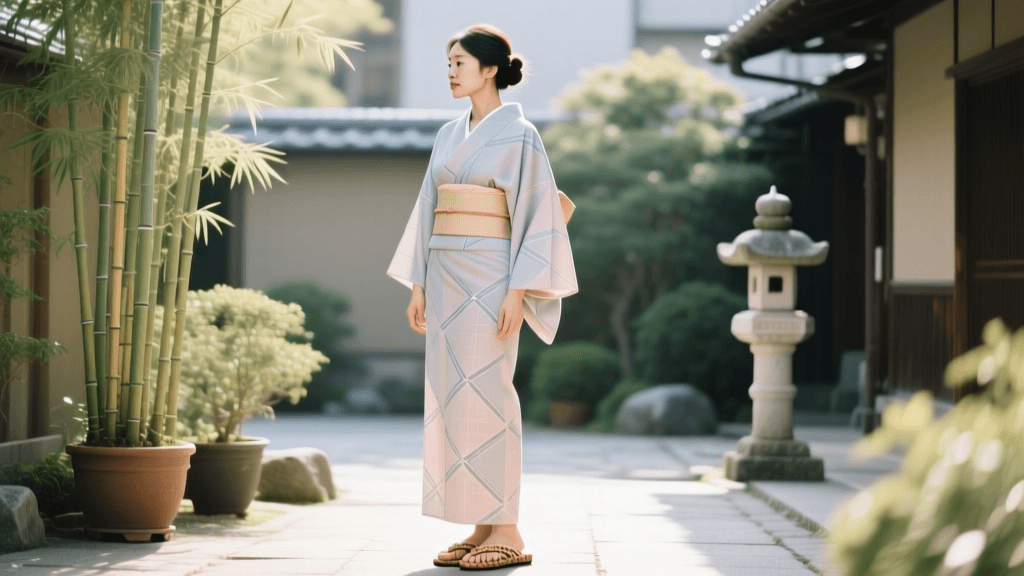
Perhaps the most significant innovation in everyday wafuku is the ni-bu-shiki, or two-piece kimono. Developed to solve the practical hurdles of traditional dressing—namely, the complex folding, the restrictive waist ties, and the notorious difficulty of using the restroom—this garment separates the kimono into a wrap-around pleated skirt and a matching wrap top.
Why It Works for Everyday Wear
The two-piece kimono mimics the silhouette of a traditional kimono flawlessly but can be put on in under three minutes. The skirt features an attached, pre-tied belt that mimics the look of an obi, while the top simply crosses over the chest and secures with velcro or a simple tie. Priced between ¥10,000 and ¥25,000 ($65 to $170 USD), these sets are often made from wrinkle-resistant polyester blends, making them machine-washable and ideal for travel, casual office environments, or evening dinners. They completely eliminate the need for expensive kitsuke (dressing) classes or a fleet of dressing accessories.
The Haori: Bridging Traditional and Western Wardrobes
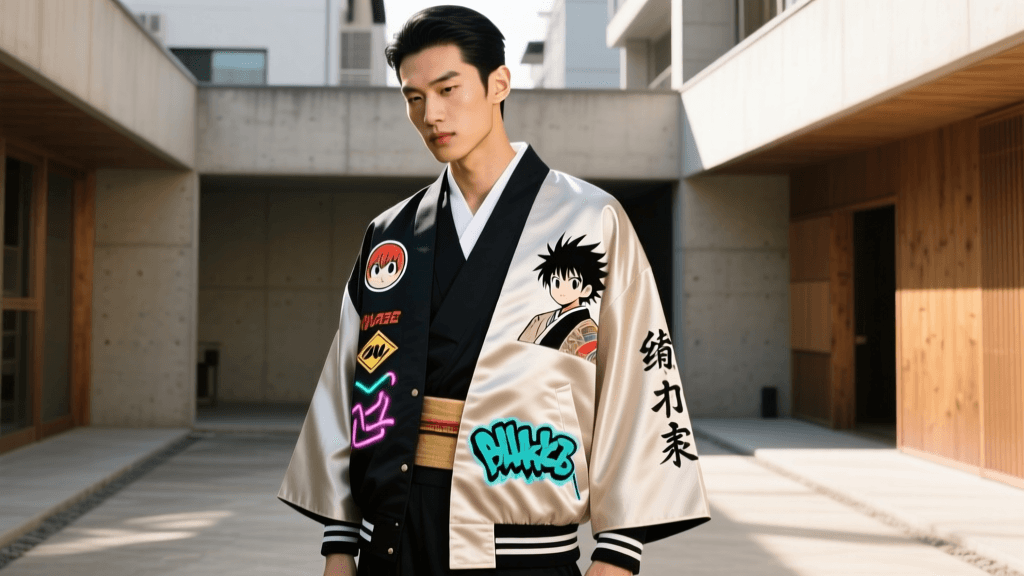
If committing to a full wrap garment feels impractical for your daily commute, the haori is your perfect solution. The haori is a traditional hip- or thigh-length jacket worn open over a kimono. In contemporary fashion, it has become a spectacular layering piece that bridges Eastern heritage and Western streetwear.
Styling the Haori
A vintage or modern cotton haori worn over a crisp white t-shirt, dark denim, and leather boots creates a striking, cosmopolitan silhouette. Because the haori is worn open, you do not need to worry about the strict 'left-over-right' collar rules that apply to wrap garments. When shopping for a casual haori, look for yuzen-dyed cotton or lightweight wool. Measure your desired drop length: a modern casual look usually hits right at the mid-thigh, allowing for ease of movement while walking or sitting.
Comparison Chart: Choosing Your Casual Garment
To help you decide which garment fits your lifestyle, budget, and dressing ability, refer to the comparison table below:
| Garment Type | Primary Material | Est. Cost (USD) | Time to Dress | Best Use Case |
|---|---|---|---|---|
| Yukata (Cotton) | 100% Cotton / Linen | $30 - $100 | 10 - 15 mins | Summer festivals, lounging, casual outings |
| Two-Piece Kimono | Poly-blend / Rayon | $65 - $170 | 2 - 3 mins | Travel, daily wear, quick styling |
| Haori Jacket | Silk / Cotton / Wool | $40 - $200+ | 1 min | Layering over Western clothes, evening wear |
| Samue (Workwear) | Cotton / Hemp | $40 - $90 | 2 mins | At-home lounging, artisan workshops, temple stays |
Essential Accessories for the Casual Wardrobe
You cannot complete a casual wafuku look without the right accessories. Fortunately, everyday styling allows for relaxed rules and comfortable alternatives.
The Hanhaba Obi
For casual yukata and two-piece kimono, the hanhaba obi (half-width obi) is mandatory. Unlike the stiff, heavily padded formal fukuro obi, the hanhaba is soft, flexible, and usually about 15cm wide. It requires no internal padding or complex folding. A simple bunko musubi (book knot) or a casual ribbon tie takes less than two minutes to secure and provides a relaxed, youthful aesthetic.
Footwear: Geta, Zori, and Sneakers
Traditional wooden geta sandals are iconic but can be harsh on the heels during long days of walking on modern pavement. For everyday wear, consider setta (leather-soled sandals) or modern EVA-foam zori, which offer arch support and shock absorption. Furthermore, a massive trend in Tokyo's Harajuku and Shimokitazawa districts involves pairing yukata and casual kimono with minimalist white sneakers or chunky combat boots. This not only provides all-day comfort but firmly roots the traditional garment in modern urban reality.
Sizing, Measurements, and At-Home Care
Understanding the unique measurement system of Japanese garments is crucial for online shopping, especially when sourcing vintage pieces from eBay or specialized Japanese export sites.
The Yuki Measurement
Instead of measuring shoulder width, kimono and yukata use the yuki measurement. This is the distance from the center of the back of your neck (the nape), over the shoulder, and down to your wrist bone. A standard women's yuki is around 62cm to 65cm. If the sleeves are slightly long, it is considered elegant; if they are too short, the garment will look ill-fitted. Always check the yuki measurement before purchasing.
Washing and Maintenance
One of the greatest advantages of casual cotton yukata and modern poly-blend two-piece kimono is their ease of care.
- Cotton Yukata: Hand wash in cold water with a mild, pH-neutral detergent. Do not wring the fabric; instead, roll it in a towel to press out excess water. Hang it on a wide kimono hanger in the shade. Direct sunlight will fade traditional indigo dyes rapidly.
- Poly-Blend Two-Piece: Most can be machine washed on a delicate cycle inside a mesh laundry bag. Tumble drying is strictly prohibited, as high heat will melt the synthetic fibers and ruin the pleats of the skirt.
Cultural Etiquette and Contemporary Rules
While everyday wear encourages experimentation and rule-breaking, one golden rule of wafuku remains entirely non-negotiable: always wrap the left side of the garment over the right side. Wrapping right-over-left is strictly reserved for dressing the deceased for burial. The Japan National Tourism Organization (JNTO) frequently highlights this fundamental aspect of cultural respect in their guides for international visitors engaging with traditional Japanese arts and dress.
Beyond the collar, the modern casual wafuku movement is highly forgiving. Mixing vintage silk haori with denim, pairing yukata with modern crossbody bags instead of traditional kago baskets, and utilizing two-piece sets for busy workdays are all celebrated ways to keep the tradition alive. By treating these garments not as fragile museum artifacts, but as living, breathing components of a global wardrobe, we ensure that the artistry and comfort of Japanese traditional clothing continue to thrive in the 21st century.