Hanbok in 2026 Global Fashion Media: Editorial Styling Guide
The Hanbok’s Evolution in 2026 Global Fashion Media
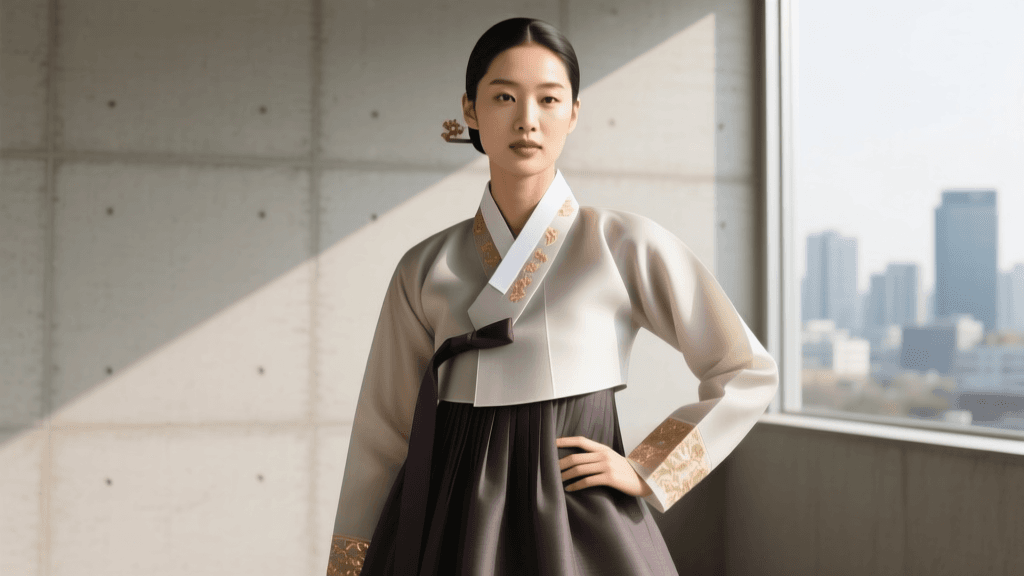
The intersection of heritage and high fashion has never been more dynamic than in 2026. Over the past decade, the traditional Korean Hanbok has transitioned from a subject of niche cultural preservation to a dominant force in global fashion media. Today, leading publications and luxury fashion houses are no longer treating the Hanbok merely as a ceremonial costume; instead, they are deconstructing its architectural silhouettes to create avant-garde editorial narratives. In 2026, the global fashion press—from the glossy pages of Parisian fashion month to digital luxury campaigns—celebrates the Hanbok for its structural brilliance, focusing heavily on the jeogori (traditional jacket) and the voluminous chima (skirt).
This editorial shift represents a maturation in how global media engages with Asian traditions. Rather than relying on superficial orientalist tropes, 2026’s top fashion editors and stylists are collaborating with Korean heritage experts and contemporary designers to honor the garment’s intricate construction. According to the Victoria and Albert Museum's Asian textile archives, the historical preservation of East Asian garments has heavily informed modern structural designs, allowing contemporary media to highlight the Hanbok’s unique flat-pattern cutting techniques that create three-dimensional volume without the use of Western darts or seams.
Deconstructing the Silhouette: Key Elements in 2026 Editorials
When analyzing the Spring/Summer 2026 editorial spreads documented on Vogue Runway's 2026 editorial archives, several distinct styling methodologies emerge. Global fashion media is currently obsessed with manipulating the traditional proportions of the Hanbok to challenge conventional Western tailoring.
The Jeogori: Cropped and Exaggerated
The jeogori is the undisputed star of 2026’s Hanbok editorials. Traditionally sitting just above the waist, high-fashion stylists are now pushing the boundaries of this garment. In recent Milan and Paris editorial campaigns, the jeogori is being presented with exaggerated, structured shoulders and elongated sleeves that drape past the fingertips. The dongjeong (the white detachable collar) is being reimagined in contrasting neon hues or crafted from stiff, translucent organza to create a striking visual frame around the model’s face.
The Goreum: Leading Lines and Kinetic Movement
The goreum, or the long ties used to fasten the jeogori, has become a vital tool for fashion photographers in 2026. Stylists are utilizing extra-long, weighted silk goreum that extend down to the floor. When captured in motion, these ties create dramatic leading lines and kinetic energy in editorial photography, transforming a static garment into a study of movement and fluid dynamics.
The Chima: Asymmetry and Architectural Volume
While the traditional chima is characterized by its uniform, bell-like volume, 2026 global fashion media favors asymmetrical interpretations. Editorial stylists are layering pleated tulle over matte silk bases, pinning the skirts to create deliberate, sculptural folds that mimic the draping of classical statuary. This approach highlights the generous yardage of the chima—often utilizing up to six meters of fabric—while grounding it in contemporary, avant-garde aesthetics.
2026 Editorial Trends: Traditional vs. Avant-Garde Styling
To understand how global fashion media has recontextualized the Hanbok, it is essential to compare its traditional presentation with the avant-garde styling techniques dominating 2026 editorials. The following table outlines this sartorial evolution.
| Garment Element | Traditional Media Depiction | 2026 Global Editorial Trend | Key Styling Technique |
|---|---|---|---|
| Jeogori (Jacket) | Fitted, modest, traditional silk | Oversized, structural, sheer fabrics | Layering over sharp Western tailoring or corsetry |
| Goreum (Ties) | Functional, standard length, tied in a specific knot | Elongated, weighted, trailing on the floor | Used as photographic leading lines; left intentionally untied |
| Chima (Skirt) | Uniform volume, high-waisted, opaque | Asymmetrical hems, sheer layering, sculptural | Strategic pinning and mixed-media textile layering |
| Dongjeong (Collar) | Stark white, paper or cotton, uniform width | Contrasting colors, varied widths, metallic | Extended down the neckline or crafted from translucent PVC |
Color Theory and Fabric Innovation in 2026
The color palettes featured in 2026’s Hanbok editorials mark a significant departure from the vibrant obangsaek (the traditional five cardinal colors: blue, red, yellow, white, and black) historically associated with the garment. Today’s global fashion media favors muted, archival tones inspired by Joseon-era ceramics and natural dyes. Celadon greens, oxidized copper blues, and washed indigos are dominating luxury campaigns, reflecting a broader 2026 industry shift toward quiet luxury and historical authenticity.
Fabric innovation is equally critical. While traditional glossy silk and stiff ramie remain important for ceremonial wear, 2026 editorials heavily feature tech-woven textiles. As noted in The Business of Fashion's global market analysis, the integration of sustainable, lab-grown silks and recycled organza has allowed designers to achieve the massive volume required for the chima without the heavy environmental footprint of traditional sericulture. These modern textiles catch studio lighting beautifully, offering a matte, ethereal glow that translates exceptionally well to high-definition digital and print media.
"The Hanbok is no longer just a symbol of Korean heritage; in 2026, it is a masterclass in spatial design. Global fashion media is finally recognizing that the genius of the Hanbok lies not in how it fits the body, but in how it creates a new architecture around it." — Editorial Director, Global Luxury Fashion Magazine, 2026
Actionable Advice: Adapting Editorial Hanbok Trends for Everyday Wear
While the avant-garde interpretations seen in high-fashion media are breathtaking, translating these 2026 editorial trends into a wearable, everyday wardrobe requires a nuanced approach. Here is how you can incorporate the global media’s fascination with the Hanbok into your personal style this year.
1. The Modern Jeogori Blouse
Invest in a contemporary jeogori-inspired blouse. Look for pieces that retain the signature curved baerae (the curved line of the sleeve) but are tailored from matte crepe or lightweight cotton. Proportion Tip: Ensure the hem sits exactly at your natural waist or slightly above (approximately 15 to 18 inches from the shoulder seam for an average torso). This maintains the traditional high-waisted illusion without looking costumey when paired with modern, high-waisted wide-leg trousers.
2. Reimagining the Goreum
You do not need trailing ribbons to capture the 2026 editorial aesthetic. Opt for blouses or light outerwear that feature elongated, asymmetrical ties. Styling Tip: Instead of the traditional butterfly knot, let one tie hang loose down the front of your outfit, and wrap the other around your waist or tie it in a simple, loose knot at the hip. This creates the dynamic, flowing lines favored by current fashion stylists.
3. Skirt Volume and Layering
To mimic the architectural volume of the editorial chima without overwhelming your frame, choose an A-line midi skirt with deep, structured box pleats. Fabric Tip: Avoid stiff, glossy satins for daytime wear. Instead, look for matte cupro or heavy linen blends that hold their shape but move fluidly. Pair this with a fitted, minimal turtleneck to balance the volume, echoing the contrast often utilized in 2026 luxury layering.
Sourcing Authentic and Contemporary Pieces in 2026
The global demand for Hanbok-inspired luxury and contemporary ready-to-wear has surged, making it easier than ever to source high-quality pieces that respect traditional construction while embracing modern aesthetics. In 2026, contemporary designer jeogori blouses and modernized skirts typically range from $350 to $1,200, depending on the textile and artisanal techniques involved.
When shopping, prioritize brands that collaborate directly with Korean artisans. Look for transparency in the manufacturing process, specifically regarding the use of traditional flat-pattern drafting. Authentic contemporary pieces will feature the signature curved sleeves and gussets that allow for unrestricted movement—a hallmark of true Hanbok construction that fast-fashion imitations frequently miss. By investing in these thoughtfully designed garments, you participate in a global fashion narrative that respects, elevates, and continually reinvents Asian sartorial traditions for the modern era.