Hanbok in Global Fashion Media: 2026 Editorial Styling Guide
The 2026 Editorial Renaissance of the Hanbok
The global fashion media landscape in 2026 has witnessed an unprecedented embrace of Asian traditional garments, with the Korean Hanbok taking center stage in high-fashion editorials, runway shows, and luxury campaigns. No longer confined to historical dramas or ceremonial wear, the Hanbok has been radically reimagined by top-tier stylists and avant-garde designers. Leading global fashion media platforms like Vogue and Harper's Bazaar are now routinely featuring the structural elegance of the Hanbok, celebrating its voluminous silhouettes and intricate textile traditions in contemporary contexts. This shift marks a pivotal moment where cultural heritage meets modern haute couture, offering fashion enthusiasts and industry professionals a new vocabulary for elegant, structured dressing.
As we navigate the 2026 fashion calendar, the integration of the Hanbok into global media is not merely a fleeting trend but a sustained movement toward sartorial diversity. Designers are deconstructing the traditional jeogori (jacket) and chima (skirt) to create pieces that resonate with modern aesthetics while honoring centuries-old construction techniques. For fashion historians and modern consumers alike, understanding how these garments are being styled in current media provides invaluable insight into the future of global fashion.
Deconstructing the Silhouette: Jeogori and Chima in Modern Media
To understand the 2026 editorial styling of the Hanbok, one must first appreciate its foundational elements. According to foundational textile records, such as those detailed in the Metropolitan Museum of Art's Heilbrunn Timeline of Art History, the Hanbok's basic structure has remained remarkably consistent for centuries, characterized by its flowing lines and vibrant color contrasts. However, 2026 global fashion media has flipped this traditional rulebook, focusing on extreme proportions and sustainable textile innovations.
The Cropped and Tailored Jeogori
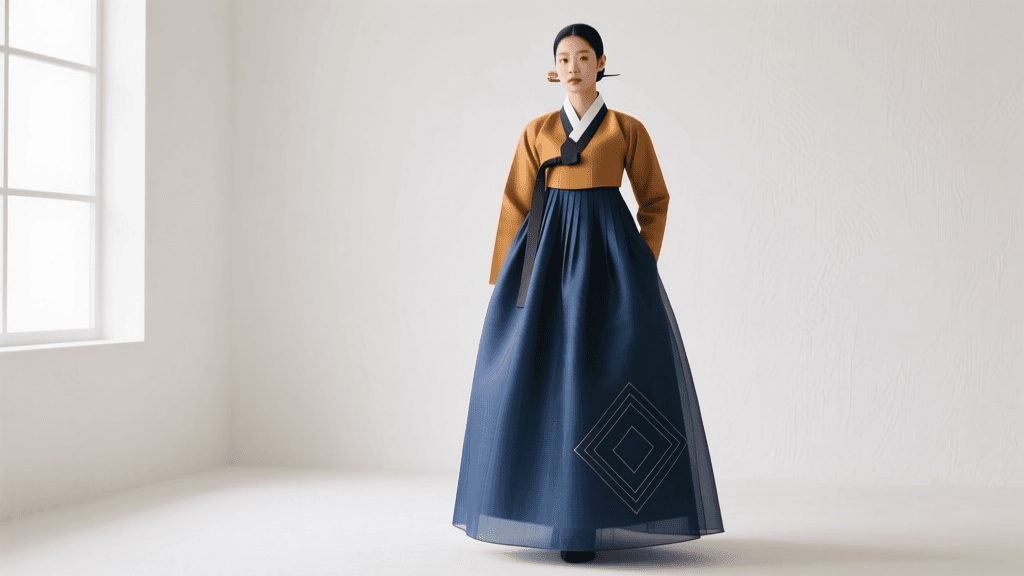
Traditionally, the jeogori sits comfortably at the waist, secured by the goreum (ties). In 2026 editorial spreads, stylists are favoring the ultra-cropped jeogori, tailored to sit precisely two inches above the navel. This modern adaptation highlights the collarbone and elongates the torso, creating a striking visual when paired with high-waisted, wide-leg trousers or a voluminous chima. Furthermore, the traditional white dongjeong (collar) is being replaced with detachable, asymmetrical collars made from upcycled bio-leather and sustainable silk organza, adding an edgy, futuristic element to the classic neckline.
The Structural Chima and Bio-Silk Organza
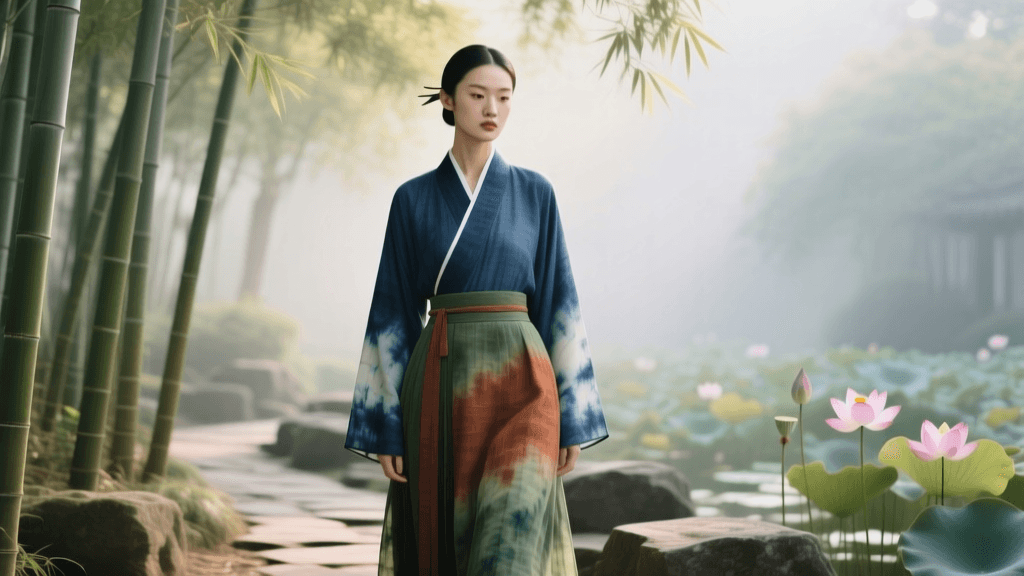
The chima has always been celebrated for its bell-like volume. In 2026, global fashion media is obsessed with the 'architectural chima.' Instead of relying solely on traditional gathering, designers are utilizing internal boning and sustainable bio-silk organza to create skirts that hold dramatic, sculptural shapes without the need for heavy petticoats. The traditional saekdong (color-striped sleeves) are also being reimagined; rather than bright primary colors, 2026 editorials feature muted, tonal stripes in shades of sage, terracotta, and charcoal, appealing to the modern minimalist aesthetic while retaining cultural symbolism.
2026 Editorial Styling Matrix: Traditional vs. Avant-Garde
To help you visualize the evolution of the Hanbok in global fashion media, we have compiled a comprehensive styling matrix. This table contrasts the traditional ceremonial wear with the avant-garde adaptations dominating 2026 editorial shoots and global runways.
| Garment Element | Traditional Ceremonial Wear | 2026 Global Editorial Styling |
|---|---|---|
| Jeogori (Jacket) Cut | Loose, waist-length, relaxed shoulders | Ultra-cropped, structured shoulders, darted waist |
| Goreum (Ties) | Long, flowing silk ribbons tied in a specific knot | Asymmetrical, oversized utility straps or metallic clasps |
| Chima (Skirt) Fabric | Heavy silk, satin, or cotton blends | Lightweight bio-silk organza, recycled taffeta, internal boning |
| Color Palette | Vibrant primary colors based on Obangsaek (five colors) | Monochromatic, earthy tones, or stark high-contrast black/white |
| Footwear Pairing | Traditional Hwa (leather boots) or Ggotshin (silk shoes) | Chunky platform boots, minimalist leather mules, or barefoot |
This matrix highlights how 2026 stylists are preserving the 'spirit' of the Hanbok—its emphasis on volume, line, and movement—while entirely updating its material reality for the modern fashion consumer.
Sourcing Authentic and Modern Hanbok for Your Wardrobe
If you are inspired by the 2026 global fashion media coverage and wish to incorporate Hanbok elements into your own wardrobe, sourcing the right pieces is crucial. The market has bifurcated into highly accessible ready-to-wear brands and exclusive luxury couture.
- Contemporary Ready-to-Wear (Price Range: $250 - $600): Brands like Danha and Leesle continue to lead the 2026 market. Danha's latest Spring/Summer collection features everyday jeogori tops crafted from machine-washable Tencel blends, perfect for pairing with modern denim or tailored trousers. These pieces are designed for the modern urbanite, offering the aesthetic of the Hanbok without the restrictive care requirements of pure silk.
- Editorial and Luxury Couture (Price Range: $800 - $2,500+): For those seeking the dramatic, architectural pieces seen in high-fashion editorials, global luxury platforms like Farfetch and Net-a-Porter are now stocking specialized Korean design houses. Look for pieces featuring hand-dyed ramie (a traditional Korean summer fabric) and structural chima skirts that serve as standalone statement pieces for galas or high-profile events.
- Custom Tailoring and Measurements: When ordering a modern cropped jeogori, accurate measurements are vital. Unlike Western jackets that rely on bust and waist measurements, the modern jeogori requires precise ahm (armhole) and baerae (the curved underarm seam) measurements to ensure the garment lays flat against the collarbone without pulling. Always request a virtual fitting consultation when ordering from Seoul-based ateliers shipping internationally in 2026.
Textile Care for High-Fashion Hanbok Pieces
The integration of the Hanbok into global media has also brought attention to the specialized care required for its textiles. While traditional Hanbok made of pure silk or delicate ramie required meticulous hand-washing and specialized drying, 2026's sustainable textile innovations have slightly eased this burden, though caution is still paramount.
For architectural chima skirts featuring internal boning or structured bio-silks, professional dry cleaning remains the only viable option. The structural integrity of the skirt can be ruined by the agitation of a standard washing machine. Conversely, modern ready-to-wear jeogori tops made from Tencel or cupro blends can often be hand-washed in cold water with a pH-neutral detergent. When drying, never wring the fabric; instead, roll the garment in a clean, dry towel to press out excess moisture, and lay it flat away from direct sunlight to prevent the vibrant dyes from fading. Proper storage is equally important: hang structured jackets on wide, padded hangers to maintain the shoulder line, and store delicate skirts in breathable cotton garment bags to protect against humidity and pests.
Cultural Impact and Media Representation
The proliferation of the Hanbok in 2026 global fashion media is a testament to the garment's enduring versatility and the growing global appetite for culturally rich, non-Western fashion narratives. As noted in comprehensive cultural archives like the encyclopedic records of the Hanbok, the garment is deeply tied to Korean identity, philosophy, and social history. The current media landscape is finally moving beyond superficial appropriation, instead engaging in deep, respectful collaborations with Korean artisans and historians.
Fashion editors in 2026 are increasingly providing context in their spreads, educating readers on the significance of the goreum knot or the historical class distinctions once associated with certain fabrics. This educational approach ensures that as the Hanbok continues to conquer global runways and editorial pages, it does so with its cultural dignity intact. For the global fashion consumer, wearing a modern Hanbok is no longer just a style choice; it is an engagement with a living, breathing textile tradition that has successfully bridged the gap between ancient heritage and the cutting edge of 2026 haute couture.