Hanbok in 2026 Global Fashion Media: Editorial Styling & Trends
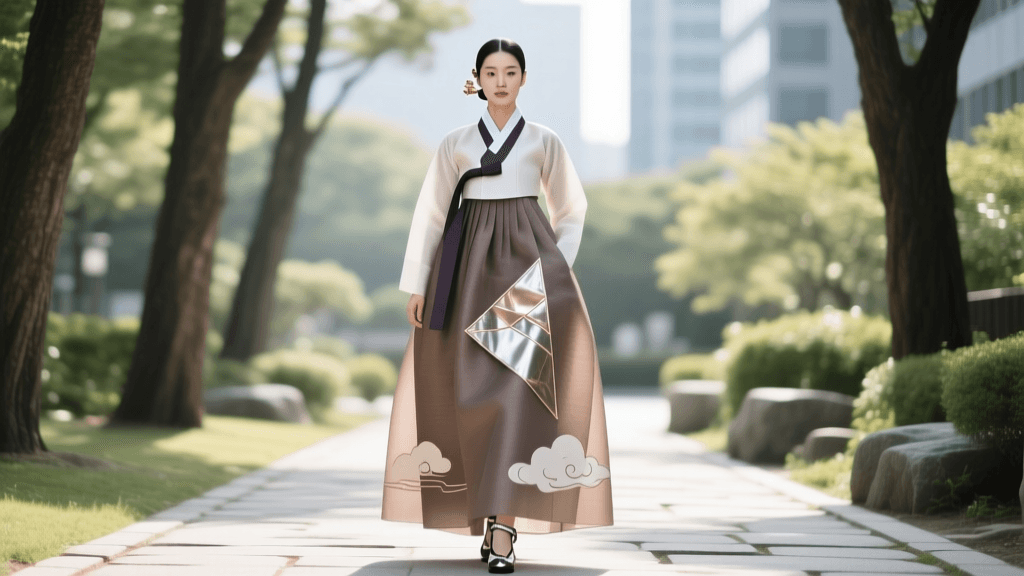
The 2026 Editorial Shift: From Exotic Prop to Haute Couture
The global fashion media landscape in 2026 has undergone a profound transformation in how it portrays traditional Asian garments. Moving decisively away from the orientalist tropes and superficial costuming that plagued earlier decades, top-tier publications like Vogue, Harper's Bazaar, and Elle are now treating the Korean Hanbok with the structural reverence typically reserved for Parisian haute couture. This shift is not merely aesthetic; it represents a broader industry commitment to authentic cultural representation, driven by rigorous editorial guidelines and a new generation of culturally literate fashion directors.
In 2026, the Hanbok is no longer relegated to 'Lunar New Year' niche features or K-pop adjacent spreads. Instead, it is being integrated into mainstream Spring/Summer and Autumn/Winter high-fashion narratives. Editors are focusing on the architectural brilliance of the garment—the stark contrast between the voluminous, flowing lines of the lower half and the structured, tailored precision of the upper half. According to historical archives detailed by Encyclopædia Britannica, the hanbok's fundamental structure has remained remarkably consistent for centuries, yet its interpretation in modern media requires a delicate balance of historical accuracy and contemporary styling.
Key Designers Leading the 2026 Media Narrative
The integration of the Hanbok into global fashion media is largely championed by a vanguard of designers who understand both traditional construction and modern editorial demands. In 2026, brands like Danha, Tjulk (led by Kim Young-Jin), and Lie Sang Bong are the most frequently requested labels by international fashion stylists.
Danha, which gained massive global recognition in previous years, has spent 2026 focusing on sustainable silk brocades and upcycled vintage textiles, making their pieces highly sought after for eco-conscious editorial spreads. Tjulk, on the other hand, provides the avant-garde, deconstructed Hanbok silhouettes that appeal to edgy, high-concept publications like Dazed and i-D. Meanwhile, heritage houses are collaborating with global media conglomerates to produce exclusive archival rentals, allowing stylists to pull genuine mid-Joseon dynasty-inspired reproduction pieces for high-budget cover shoots.
Structuring the 2026 Hanbok Editorial: A Stylist's Guide
For fashion stylists, art directors, and editorial producers working in 2026, pulling a Hanbok for a shoot requires specialized knowledge. The garment is unforgiving of improper styling, and global audiences are quick to critique inaccurate representations. Below is an actionable guide to styling the Hanbok for high-definition global media.
1. Silhouette and Proportions
The most common mistake in Western media has been artificially cinching the jeogori (the upper jacket) to mimic Western corsetry. In 2026, editorial guidelines strictly mandate respecting the natural drape. The jeogori should sit comfortably on the shoulders, with the sleeves (baerae) curving naturally. The true volume must come from the chima (skirt), which requires specialized layering. Stylists must use traditional ramie or cotton petticoats (sokchima) rather than Western tulle crinolines, as the drape and movement of the fabric on camera are vastly different.
2. The Art of the Goreum (Ribbon)
The goreum is the long ribbon used to tie the jeogori. In 2026 editorials, the knot must be asymmetrical and precise. The standard editorial measurement for a modern goreum is 70cm in length and 8cm in width. The knot should sit slightly off-center on the right side of the chest, with the longer tail hanging straight down and the shorter tail folded neatly. A poorly tied goreum immediately signals to cultural experts that the styling is inauthentic.
3. Fabric Selection for High-Definition Media
With the universal adoption of 8K and ultra-high-definition digital publishing in 2026, fabric choice is critical. Glossy synthetic satins, which were unfortunately common in early 2000s media portrayals, are now strictly banned by top editorial boards. Stylists must source matte silks, raw hemp, and traditional ramie. As noted in comprehensive cultural studies on Wikipedia, the vibrant colors of traditional Hanbok (often based on the Obangsaek color spectrum) translate beautifully to digital sensors when rendered in natural, matte fibers, preventing the harsh glare associated with synthetic alternatives.
Data Table: Traditional vs. 2026 Editorial Hanbok Specifications
To assist editorial teams in maintaining authenticity while achieving high-fashion aesthetics, the following comparison chart outlines the acceptable boundaries for 2026 media adaptations.
| Garment Element | Traditional Specification | 2026 Editorial Adaptation | Media Impact & Styling Note |
|---|---|---|---|
| Jeogori (Jacket) | Loose fit, covers the bust, ties at the chest. | Slightly tailored at the shoulders, but never cinched at the waist. | Preserves the architectural T-shape silhouette on camera. |
| Chima (Skirt) | High-waisted, full volume, ankle-length. | High-waisted, layered with structured ramie petticoats for dramatic movement. | Creates dynamic, sweeping motion in high-speed editorial video. |
| Goreum (Ribbon) | Functional tie, moderate width. | Elongated (up to 90cm), wide (10cm), serving as a primary visual anchor. | Provides a striking color-block contrast against the jacket. |
| Textiles | Silk, ramie, hemp, cotton. | Archival silks, digitally printed eco-hemp, matte finishes only. | Eliminates sensor glare; highlights artisanal weaving textures. |
Budgeting and Timing for 2026 Editorial Shoots
Producing a Hanbok-centric editorial spread in 2026 requires specific logistical planning and budget allocation. Authenticity comes at a premium, and production teams must account for specialized labor and archival rental costs.
- Archival Rental Costs: Sourcing museum-quality reproduction Hanboks from specialized archives in Seoul or New York typically costs between $800 and $1,500 per garment, per day. High-end contemporary designer pieces from brands like Danha average $400 to $600 per day.
- Specialized Dressers: Unlike Western garments, a Hanbok cannot simply be zipped up. Production teams must hire a certified Hanbok dresser. In 2026, the standard rate for a specialized dresser on a global set is $350 per hour, with a minimum four-hour call time.
- Timing the Dressing Process: Properly layering the sokjeoksam (inner jacket), sokchima (petticoat), main chima, and jeogori takes approximately 45 minutes per model. Art directors must schedule hair and makeup to conclude well before the dressing process begins, as adjusting the garments post-makeup risks cosmetic smudging on delicate silk collars.
Navigating Cultural Appreciation in Global Media
The conversation surrounding cultural appropriation versus appreciation remains at the forefront of global fashion media in 2026. The industry has largely moved past the era of mixing and matching sacred or highly specific ceremonial garments with Western streetwear for shock value. Today, the focus is on contextual integrity.
'The Hanbok is not a monolithic costume; it is a complex language of social status, seasonality, and regional identity. When global media platforms feature these garments, the highest form of appreciation is accuracy. Crediting the specific artisans who wove the silk and the historians who consulted on the silhouette is no longer optional—it is the baseline standard for 2026 fashion journalism.' — Dr. Min-Ji Park, Textile Historian and Editorial Consultant.
Museums and cultural institutions have played a pivotal role in setting these standards. Institutions like the Victoria and Albert Museum have long highlighted the intricate material culture of Asia, providing a benchmark for how garments should be displayed, described, and respected. Modern fashion editors are now routinely consulting with cultural liaisons provided by the Korean Ministry of Culture, Sports and Tourism to ensure that the garments featured in their spreads are historically grounded and appropriately contextualized.
Conclusion: The Future of the Hanbok in Print and Digital
As we move through 2026, the Hanbok's presence in global fashion media is a testament to the power of authentic cultural exchange. By abandoning superficial exoticism in favor of deep structural appreciation, global fashion publications are elevating the Hanbok to its rightful place among the world's most celebrated sartorial achievements. For stylists, photographers, and editors, the mandate is clear: invest in the proper garments, hire the right experts, and let the breathtaking architecture of the Hanbok speak for itself. The result is not just a beautiful editorial spread, but a lasting contribution to the global appreciation of Asian traditions.