Global Kimono Influencers: Building Online Communities
The Digital Renaissance of the Kimono
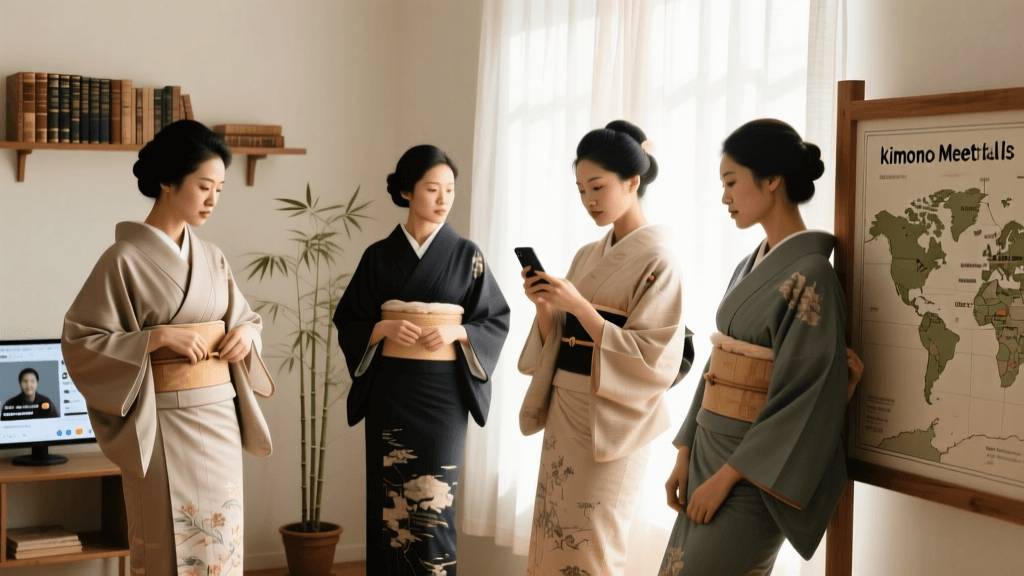
The traditional Japanese kimono has experienced a remarkable renaissance in the digital age, driven largely by a passionate global network of influencers, vloggers, and online communities. Once viewed primarily through the lens of historical artifacts or formal ceremonial wear, the kimono is now a living, breathing element of global fashion. Content creators on platforms like YouTube, Instagram, and TikTok are demystifying the complex art of kitsuke (kimono dressing), making this centuries-old garment accessible to an international audience. By sharing detailed tutorials, vintage sourcing secrets, and cultural context, these digital pioneers are bridging the gap between Edo-period traditions and modern wardrobes.
According to the Metropolitan Museum of Art's Heilbrunn Timeline of Art History, the kimono evolved from a simple undergarment in the Heian period to the highly structured, symbolic outer garment we recognize today, particularly flourishing during the Edo period when merchant classes used textiles to display wealth. Today, digital creators act as modern-day curators, translating this rich history for a global audience while fostering vibrant online communities dedicated to the preservation and innovation of Japanese textile arts.
Platform Dynamics: Where Kimono Communities Thrive
Building a successful kimono-focused online presence requires understanding the unique dynamics of different social media platforms. Each platform serves a distinct purpose in the influencer ecosystem, from rapid-fire styling tips to in-depth historical documentaries.
| Platform | Best Content Type | Audience Intent | Ideal Posting Frequency |
|---|---|---|---|
| YouTube | Long-form kitsuke tutorials, vintage hauls, textile history deep-dives. | Education, step-by-step learning, community bonding. | 1-2 times per week |
| High-quality coordination (coord) photos, Reels of obi tying, aesthetic flat lays. | Visual inspiration, daily styling ideas, networking. | 3-5 times per week | |
| TikTok | Quick transitions, "get ready with me" (GRWM), myth-busting cultural appropriation. | Entertainment, viral discovery, quick tips. | Daily or 4-5 times per week |
| Reddit (r/kimono) | Sourcing advice, identification requests, detailed Q&A, community support. | Problem-solving, authentic discussion, niche expertise. | Daily engagement |
Successful influencers often use a hub-and-spoke model: utilizing TikTok and Instagram Reels for broad reach and viral discovery, while funneling highly engaged followers to YouTube for comprehensive tutorials and to Reddit or Discord servers for deep community interaction.
Sourcing Vintage: The Influencer’s Supply Chain
A cornerstone of kimono influencing is the ability to source high-quality, authentic garments at accessible prices. While new, tailor-made silk kimono can cost upwards of $3,000 to $10,000, the secondary market offers a treasure trove of vintage pieces. Influencers frequently share their sourcing strategies, guiding their followers through the labyrinth of Japanese online auctions and proxy services.
The most commonly recommended platforms for international buyers include Buyee and ZenMarket, which act as proxy bidders for Yahoo! Auctions Japan and Mercari. For direct retail, sites like Ichiroya and Kimono-Ya are community favorites due to their English interfaces and reliable condition grading.
Essential Measurements for Online Sourcing
Unlike Western clothing, kimono are sized using specific traditional measurements. Influencers stress that understanding these metrics is critical to avoiding costly mistakes. Because kimono are wrapped and folded, there is a margin of error, but staying within these parameters ensures a proper fit:
- Yuki (Center back to wrist): The most critical measurement. Measure from the base of the neck, over the shoulder, down to the wrist bone. Ideal range for most women: 62cm to 68cm (24.5 to 26.5 inches).
- Mitake (Back length): Measured from the base of the neck to the desired hemline (usually the ankle). Ideal range: 150cm to 165cm (59 to 65 inches). Kimono can be folded at the waist (ohashori) to adjust length.
- Sodehaba (Sleeve width): The horizontal width of the sleeve. Standard vintage widths are usually 32cm to 34cm.
- Maihaba (Body width): The width of one front panel. Standard is around 34cm to 36cm. Since the kimono wraps around, the total hip circumference accommodated is roughly double this measurement plus the overlap.
Cost Breakdown for a Beginner's Vintage Wardrobe
Influencers often break down the costs to show that building a kimono wardrobe is financially accessible. Here is a typical budget for a starter coordination sourced from online auctions:
- Komon (Everyday patterned kimono): $30 – $80
- Nagoya Obi (Pre-tied or easy-tie belt): $25 – $60
- Juban (Under-kimono): $20 – $40
- Zori (Sandals) and Tabi (Split-toe socks): $30 – $50 combined
- Proxy & Shipping Fees: $30 – $60 (depending on weight and service)
"The secret to vintage sourcing is patience. Set up saved searches on proxy sites for your exact yuki measurement and favorite color palettes. The perfect piece will eventually surface, often for a fraction of the retail price." — Popular YouTube Kimono Vlogger
The Kitsuke Toolkit: What Creators Actually Use
Dressing in a kimono requires a specific set of undergarments and accessories, collectively known as the kitsuke toolkit. Influencers frequently review and recommend modern, budget-friendly alternatives to traditional items, making the process less intimidating for beginners.
- Koshihimo (Waist ties): Long, thin cotton ties used to secure the kimono and obi in place. You need at least 3 to 4 per dressing session. Cost: $4 - $8 each.
- Datejime (Under-belt): A wider, stiffer belt worn over the koshihimo to flatten the fabric and provide a base for the obi. Modern influencers often recommend elastic or velcro datejime for ease of use. Cost: $10 - $15.
- Obi-ita (Obi board): A stiff board inserted into the obi to prevent wrinkling and maintain a crisp, smooth shape. Cost: $12 - $20.
- Obijime (Decorative cord): A braided silk or synthetic cord tied around the center of the obi to secure the knot and add a pop of contrasting color. Cost: $15 - $40.
Video tutorials focusing on tying specific knots, such as the Taiko musubi (the classic drum knot for married women or formal wear) and the Bunko musubi (a bow knot popular for younger women and casual yukata), consistently rank among the most-viewed content in the niche.
Navigating Cultural Discourse and TPO
A significant role of kimono influencers is navigating the complex discourse surrounding cultural appreciation versus appropriation. The global kimono community is highly focused on TPO (Time, Place, Occasion), a Japanese concept that dictates the appropriateness of specific garments for specific events. For instance, wearing a highly formal, crested kurotomesode to a casual summer festival would be a major faux pas, just as wearing a casual cotton yukata to a formal tea ceremony would be inappropriate.
As noted by Encyclopedia Britannica, the kimono is deeply intertwined with Japanese social structures, seasonal awareness, and artistic expression. Influencers use their platforms to educate followers on these nuances, teaching them how to read the subtle seasonal motifs woven into the textiles—such as plum blossoms for late winter or maple leaves for autumn. By emphasizing respect for the garment's origins and the rules of TPO, influencers foster a community rooted in appreciation rather than mere costume play.
Monetization, Upcycling, and the Circular Economy
Beyond content creation, the kimono community has developed a robust micro-economy. Influencers monetize their platforms through affiliate links to proxy services, Patreon memberships offering exclusive pattern-making guides, and selling curated vintage pieces. Furthermore, the community is heavily invested in upcycling. Because vintage silk kimono are often sold at low prices due to minor stains or structural damage, creators frequently repurpose the textiles.
Popular upcycling projects include transforming damaged kimono into haori (jackets), sewing modern kanzashi (hair ornaments), or creating patchwork streetwear. This circular approach not only makes the art form more sustainable but also allows creators to inject contemporary fashion sensibilities into traditional textiles, ensuring the kimono remains a relevant and evolving art form in the 21st century.
Conclusion
The rise of global kimono influencers and online communities represents a fascinating intersection of ancient tradition and modern digital connectivity. By providing actionable sourcing advice, demystifying the intricate art of kitsuke, and fostering a respectful dialogue around cultural heritage, these creators are ensuring that the kimono continues to thrive far beyond the borders of Japan. Whether you are a seasoned collector hunting for a rare Taisho-era piece on Yahoo Auctions or a beginner learning to tie your first bunko musubi via a YouTube tutorial, the digital kimono community offers a welcoming, deeply knowledgeable space for all who appreciate the beauty of Asian textile traditions.