The Hakama Guide: Martial Arts vs Tea Ceremony Uniforms
The Hakama: Bridging the Dojo and the Tea Room
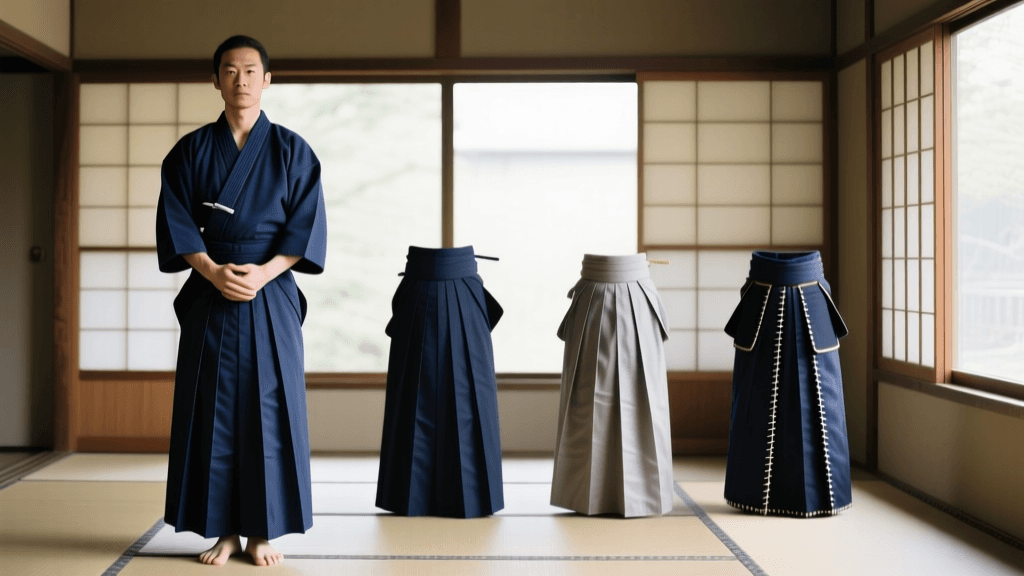
The hakama is one of the most recognizable and culturally significant garments in Japanese tradition. Originally worn by samurai as a form of leg protection and a marker of high social status, the hakama has evolved into a specialized uniform for various traditional arts. Today, it serves as the foundational garment for both rigorous martial arts (budō) and the serene, highly choreographed practices of the tea ceremony (sadō). While they may look similar to the untrained eye, a martial arts hakama and a tea ceremony hakama differ vastly in construction, fabric weight, drape, and etiquette.
Understanding these nuances is essential for practitioners, collectors, and enthusiasts of Asian traditional garments. Whether you are stepping onto the tatami mats for an Aikido throw or entering the nijiriguchi (crawling entrance) of a tea house, wearing the correct hakama demonstrates respect for the art form and ensures practical functionality.
The Philosophy of the Seven Pleats
Before diving into the physical differences, it is important to understand the shared symbolism of the garment. A traditional formal hakama features five pleats in the front and two in the back, totaling seven. In Confucian and Samurai philosophy, these seven pleats represent the seven virtues of the warrior:
- Jin (Benevolence): Compassion and empathy for others.
- Gi (Justice): Righteousness and moral integrity.
- Rei (Etiquette): Respect, courtesy, and proper conduct.
- Chi (Wisdom): Intelligence and the pursuit of knowledge.
- Shin (Sincerity): Honesty and trustworthiness.
- Chu (Loyalty): Devotion to one's master, art, or principles.
- Ko (Filial Piety): Respect and care for one's parents and ancestors.
While both martial artists and tea practitioners honor these virtues, the physical execution of the garment adapts to their distinct environmental needs.
Martial Arts Hakama: Built for the Dojo
In the realm of budō, the hakama is primarily associated with Aikido, Kendo, Iaido, and Kyudo. The physical demands of these arts require a garment that can withstand intense friction, sudden movements, and frequent washing.
Aikido and Iaido Hakama
Aikido practitioners rely heavily on a hakama that allows for deep stances and protects the knees during ukemi (breakfalls). These hakama are typically constructed from a heavy cotton-polyester blend (often 8oz to 10oz fabric weight). The polyester adds durability and helps the garment retain its shape, while the cotton provides breathability. A defining feature of the Aikido hakama is the rigid koshiita (the trapezoidal backboard). This stiff board supports the lower back, keeps the garment tucked securely under the obi (belt), and prevents the fabric from bunching up during ground techniques.
Kendo Hakama
According to authoritative sources on kendo martial arts and uniform standards, the Kendo hakama (and accompanying keikogi) is traditionally dyed with natural indigo. Natural indigo acts as a natural deodorizer, insect repellent, and skin soother, which is vital when wearing heavy armor (bogu) in hot dojos. Kendo hakama are made from 100% heavy cotton or cotton-synthetic blends, featuring intricate sashiko (running stitch) patterns on the upper half to reinforce the fabric against the friction of the armor. Unlike Aikido hakama, some modern Kendo hakama feature a softer, more flexible koshiita to allow for the deep, explosive lunges required in striking.
Tea Ceremony Hakama: Elegance in the Chashitsu
The transition from the dojo to the tea room (chashitsu) requires a complete shift in textile philosophy. The tea ceremony is an exercise in tranquility, humility, and aesthetic harmony. Practitioners spend the majority of the ceremony in seiza (formal kneeling), meaning the hakama must drape beautifully and comfortably without restricting circulation.
Fabric and Drape
Tea ceremony hakama, often referred to as chahakama, are traditionally made from high-quality silk, specifically chirimen (silk crepe) or tsumugi (slubbed silk). For modern practitioners or students, high-grade synthetic silks like Tetron are popular due to their affordability and ease of care. The fabric weight is measured in momme, with formal tea hakama ranging from 16 to 20 momme. Unlike the stiff martial arts hakama, the chahakama has a soft, fluid drape that pools elegantly over the knees when kneeling.
Color and Pleating
While martial arts hakama are almost exclusively black, navy, or white, tea ceremony hakama embrace a wider, albeit subdued, palette. Deep charcoal, muted browns, slate greys, and subtle pinstripes are common for male practitioners, while female practitioners (who typically wear hakama for graduation or specific formal tea gatherings rather than daily practice) may wear softer hues like plum, forest green, or burgundy. The pleats of a chahakama are often tetsu-pleated (iron-pressed permanently into the silk), ensuring they remain razor-sharp without the need for constant re-ironing. To learn more about the aesthetic principles governing these garments, one can explore the history of the intricate art of the Japanese tea ceremony.
Comparison Chart: Dojo vs. Tea Room
| Feature | Martial Arts Hakama (Aikido/Kendo) | Tea Ceremony Hakama (Chahakama) |
|---|---|---|
| Primary Material | Heavy Cotton, Cotton-Poly Blend | Silk Crepe (Chirimen), Tetron (Synthetic) |
| Fabric Weight | 8oz - 12oz (Heavy/Durable) | 16 - 20 Momme (Light/Fluid) |
| Koshiita (Backboard) | Rigid, thick plastic or leather-wrapped | Soft, flexible, or completely absent |
| Pleat Style | Sewn or lightly pressed (requires maintenance) | Tetsu-pressed (permanent sharp creases) |
| Colors | Black, Navy Blue, White, Indigo | Charcoal, Brown, Grey, Subdued Stripes |
| Care Method | Machine wash cold, hang dry | Dry clean only (Silk) or gentle hand wash (Tetron) |
Practical Guide: Sizing and Tying
Purchasing a hakama requires specific measurements, as they are not sized like Western trousers. Hakama sizes typically range from 22 to 30, based on the traditional Japanese measurement system of shaku and sun, though modern retailers provide centimeter equivalents.
How to Measure
- Stand straight and locate your navel. The top of the hakama should sit just below the navel, over the obi.
- Measure from the navel down to the outer ankle bone (the lateral malleolus).
- The hem should ideally hover about 1 to 2 centimeters above the floor when wearing tabi (split-toe socks) to prevent tripping and keep the fabric clean.
Tying the Himō (Straps)
The hakama is secured using four himō (straps): two long front straps and two shorter back straps. In martial arts, the knot tied at the back is typically a flat, secure cross-knot that will not dig into the spine during falls. In the tea ceremony, the knot is tied with meticulous aesthetic precision, often forming a symmetrical, flat butterfly or cross shape that sits perfectly centered over the koshiita. The tension must be firm enough to hold the garment but gentle enough to allow for deep diaphragmatic breathing, which is essential in both meditation and martial exertion.
The Art of Folding (Tatamikata)
Folding a hakama is considered a moving meditation and a vital part of the practitioner's training. Improper folding will ruin the pleats and show disrespect to the garment. For a deeper understanding of how garments are preserved in Japanese culture, experts often reference the historical evolution of Japanese textiles and their meticulous care.
Step-by-Step Folding Guide
- Align the Pleats: Lay the hakama flat on a clean surface. Carefully align all seven pleats, ensuring the front and back pleats match up perfectly on the sides.
- Fold the Sides: Fold the left and right edges inward toward the center, following the natural lines of the outer pleats.
- The Length Folds: Fold the bottom hem up to meet the koshiita. Depending on the length, this may require two or three folds. Always fold the bottom edge under so the cleaner inner fabric faces outward.
- Wrapping the Himō: The straps are wrapped in a specific, ritualistic order (usually front left, front right, back left, back right) to form a neat, rectangular package.
- Storage: Store the folded hakama in a breathable cotton bag. Never store silk chahakama in plastic, as trapped moisture will cause the silk to mildew and the permanent pleats to warp.
Buying Guide and Cost Expectations
When investing in a hakama, your budget should align with your practice level and the specific art you are studying.
- Beginner Martial Arts Hakama: A standard black or navy cotton-polyester Aikido hakama costs between $60 and $120 USD. These are machine washable and highly durable.
- Advanced Kendo Hakama: A premium, natural indigo-dyed cotton Kendo hakama with 10,000+ sashiko stitches can range from $150 to $300 USD. Note that natural indigo will bleed dye for the first several washes and requires careful maintenance.
- Tea Ceremony Hakama: A high-quality Tetron (synthetic) chahakama is relatively affordable, usually between $80 and $150 USD. However, a formal, authentic silk chirimen hakama tailored for tea ceremony will cost anywhere from $250 to over $600 USD, and requires professional dry cleaning.
"The hakama is not merely a piece of clothing; it is a physical manifestation of the practitioner's mindset. How you tie it, how you move in it, and how you fold it after practice are all reflections of your dedication to the Way."
Conclusion
Whether you are executing a flawless strike with a shinai in the dojo or whisking matcha in the quiet solitude of the tea room, the hakama grounds you in centuries of Asian tradition. By understanding the distinct material and structural differences between martial arts and tea ceremony uniforms, practitioners can ensure they are honoring the specific etiquette, history, and physical demands of their chosen discipline. Choosing the right fabric, mastering the measurement, and dedicating time to the ritual of folding will elevate your practice from mere physical execution to a profound cultural experience.