Styling Hakama and Kimono for Anime Cosplay Conventions
The Intersection of Anime and Traditional Japanese Garments
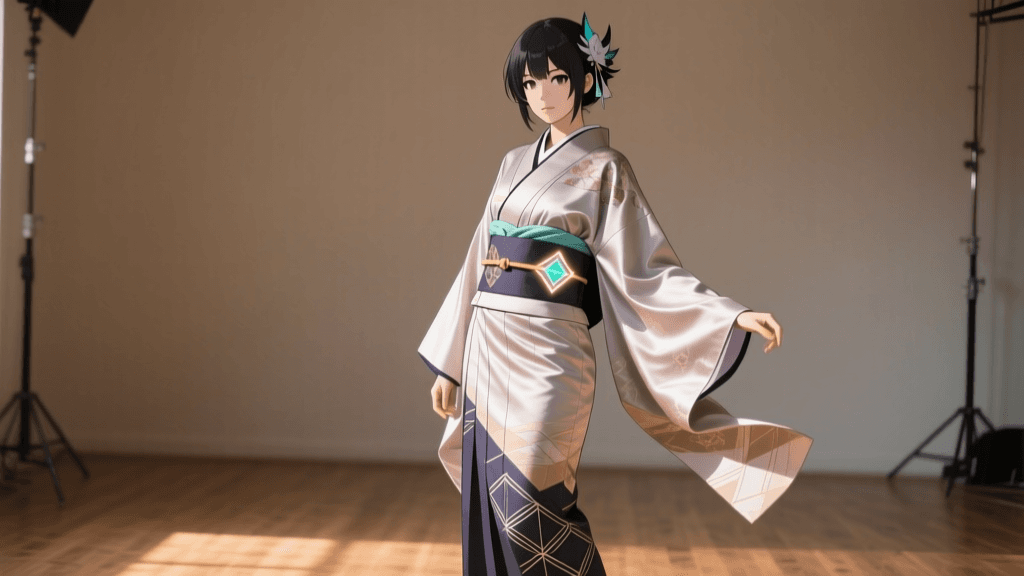
Anime and manga have profoundly influenced global pop culture, but one of the most fascinating crossovers is the integration of traditional Japanese garments into cosplay. Iconic characters from series like Demon Slayer (Kimetsu no Yaiba), Inuyasha, Gintama, and Rurouni Kenshin don historically inspired hakama, kimono, and haori. However, translating historical clothing into convention-ready cosplay requires balancing visual authenticity with the practical realities of navigating crowded convention floors. According to the Metropolitan Museum of Art, the kimono's T-shaped, straight-line construction was designed for flat folding and layered warmth, not necessarily for the high-mobility, high-heat environment of a modern anime convention. This guide provides actionable advice on adapting traditional Japanese garments for manga-inspired cosplay, ensuring you look screen-accurate while surviving a 12-hour convention day.
Decoding the Anime Wardrobe: Kimono, Yukata, and Hakama
Before purchasing or sewing your cosplay, it is vital to understand the base garments you are replicating. As noted by MATCHA Japan Travel Magazine, understanding the difference between formal and casual wear is essential in Japanese culture, and this translates directly to anime character design.
- Kimono: The foundational T-shaped robe. In anime, formal kimono are often worn by nobility, shrine maidens (miko), or wealthy characters. They feature wide sleeves and intricate, woven patterns.
- Yukata: A casual, unlined cotton garment originally worn as a bathrobe but now standard for summer festivals. Characters like Tanjiro Kamado wear yukata-style bases beneath their hakama for ease of movement and breathability.
- Hakama: Pleated, wide-legged trousers worn over the kimono. Standard martial arts or samurai hakama feature five pleats in the front and two in the back. They tie at the waist with long ribbons called himo.
- Haori: A hip- or thigh-length jacket worn open over the kimono. The checkered haori from Demon Slayer is currently one of the most replicated garments in global cosplay.
Measurement Tip: When sourcing a base kimono, the yuki (center-back of the neck to the wrist) measurement is more critical than overall height. For most shonen anime male characters, a standard yuki of 70-75 cm works best. If you are cosplaying a magical girl or fantasy character with trailing sleeves, you will need a furisode with sleeve drops exceeding 100 cm.
Fabric Selection: Authenticity vs. Convention Survival
While purists may seek out vintage silk kimono from Japanese recycle shops, silk is a liability on a crowded convention floor. Sweat, spills, and friction can permanently damage delicate fibers. Here is a comparison of fabric choices for anime cosplay:
| Feature | Authentic Silk Kimono | Cotton Yukata | Cosplay-Grade Polyester |
|---|---|---|---|
| Estimated Cost (USD) | $300 - $2,000+ | $50 - $150 | $40 - $120 |
| Breathability | High (but delicate) | Very High | Low (traps body heat) |
| Washability | Dry Clean Only | Machine Washable | Machine Washable |
| Convention Suitability | Low (High Damage Risk) | Medium (Best for Summer) | High (Durable & Wrinkle-Resistant) |
Actionable Advice: For multi-day conventions, invest in high-quality polyester blends or cotton-poly mixes. They resist wrinkling when packed in a suitcase and can be tossed into a washing machine after a long day of wearing armor and props. If you are cosplaying in the summer, a cotton yukata base is mandatory to prevent heat exhaustion.
The Crucial Underlayers: Nagajuban and Hadajuban
A common mistake among novice cosplayers is wearing a kimono directly against the skin. In traditional Japanese dressing, underlayers protect the outer garment from sweat and oils while providing the correct structural silhouette.
Modern Hacks for Traditional Underlayers
The hadajuban (under-kimono) and susoyoke (underskirt) are essential. However, traditional cotton underlayers can become heavy with sweat. Cosplay Hack: Substitute the traditional hadajuban with modern moisture-wicking athletic wear, such as Uniqlo's AIRism line. A V-neck AIRism shirt mimics the collar line of the under-robe while actively pulling sweat away from your body. For the lower half, lightweight bicycle shorts prevent thigh chafing when walking miles across convention center floors in restrictive skirts or hakama.
Securing the Silhouette: Collars, Obi, and Hakama Ties
The sharp, clean lines of anime character designs require structural support that gravity alone cannot provide.
Perfecting the Eri (Collar)
The V-shape of the kimono collar (eri) must remain perfectly symmetrical. Use an eri-shin (collar stiffener) slipped into the collar casing. To keep the collar flat against your chest during active photoshoots, use double-sided fashion tape or small safety pins hidden at the intersection of the V-neck, securing it to your underlayer.
The Obi Belt
Anime characters often wear simplified kaku-obi (men's stiff belts) or hanhaba-obi (women's half-width belts). Tying a traditional obi knot (like the taiko musubi) can take 20 minutes and requires a mirror. For convention quick-changes, purchase or craft a tsuke-obi (pre-tied obi). These feature a wire or cardboard core and attach with a simple clip or velcro, saving you precious time in cramped convention center restrooms.
Tying the Hakama
Hakama are secured with four himo (ties). The front ties wrap around the waist and tie in a secure square knot at the back, while the back ties wrap to the front. Safety Warning: Do not tie the hakama directly over your stomach. The pressure from sitting, bending, and eating convention food can restrict your breathing and cause fainting. Tie the hakama firmly at your natural waist (above the hip bones but below the ribcage) and use the inner spatula-like piece (hera) to anchor it into the obi belt to prevent slipping.
Footwear: Navigating Concrete in Tabi and Zori
Traditional zori (flat sandals) and geta (wooden clogs) are worn with tabi (split-toe socks). While visually accurate, traditional wooden geta will cause severe blisters and joint pain after three hours on concrete convention floors.
- Tabi Sizing: Tabi are sized in centimeters. Measure your foot from heel to the tip of your big toe. If you are between sizes, size up, as the split-toe seam will pull tightly and cause toe cramping.
- The Insole Hack: If you must wear wooden geta for screen accuracy, purchase silicone gel heel grips and metatarsal pads, adhering them directly to the wood. Alternatively, seek out modern EVA-foam cosplay geta, which mimic the look of wood but offer sneaker-like shock absorption.
Sourcing and Cultural Respect
When building your cosplay, consider where you source your garments. While fast-fashion cosplay sites offer cheap, inaccurate costumes, purchasing from specialized Japanese vendors supports traditional artisans. Sites like Ichiroya or Yamatoku sell authentic, second-hand kimono and hakama at reasonable prices. The Japan National Tourism Organization highlights that traditional clothing remains a living, breathing part of Japanese culture, not just a costume. When wearing these garments at conventions, practice good etiquette: keep the collars crossed correctly (left over right—right over left is strictly reserved for dressing the deceased), ensure the garments are clean, and treat the cultural origins of your favorite anime characters with respect.
Final Convention Checklist
- Emergency Kit: Pack safety pins, double-sided tape, a portable lint roller, and a small sewing needle with thread matching your obi.
- Heat Management: Bring a cooling neck towel and a handheld fan. Hakama trap heat around the legs; take breaks in air-conditioned panels.
- Prop Clearance: If your character carries a katana, ensure it complies with the convention's weapons policy (usually requiring zip-ties and peace-bonding). A traditional kaku-obi is thick enough to hold a prop sword securely without additional holsters.
By understanding the architecture of traditional Japanese garments and adapting them with modern convention survival hacks, you can bring your favorite manga and anime characters to life with unparalleled accuracy and comfort.