Pacific Northwest Button Blankets: 2026 Buyer's Guide
The Living Tradition of the Northwest Coast Dance Robe
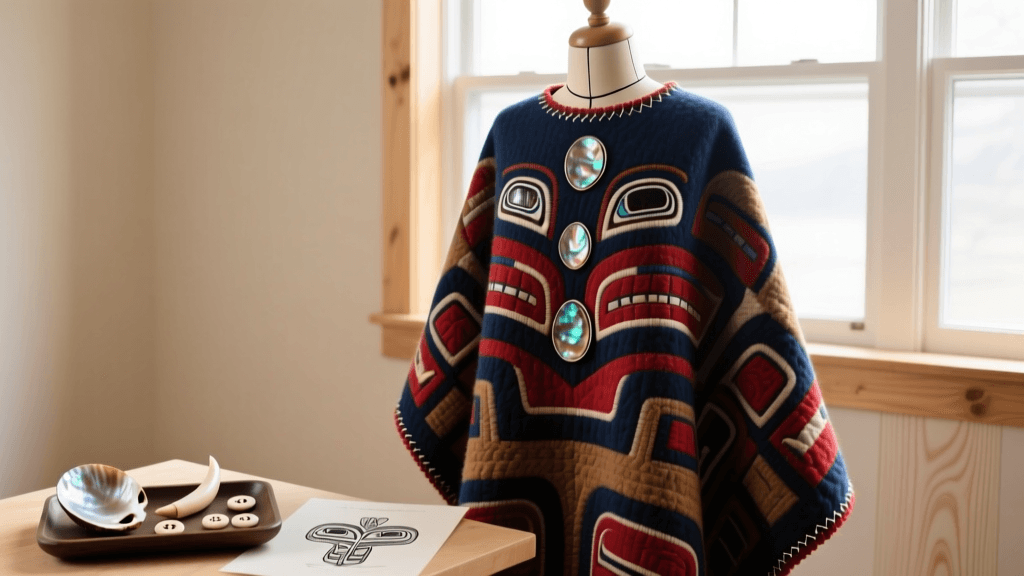
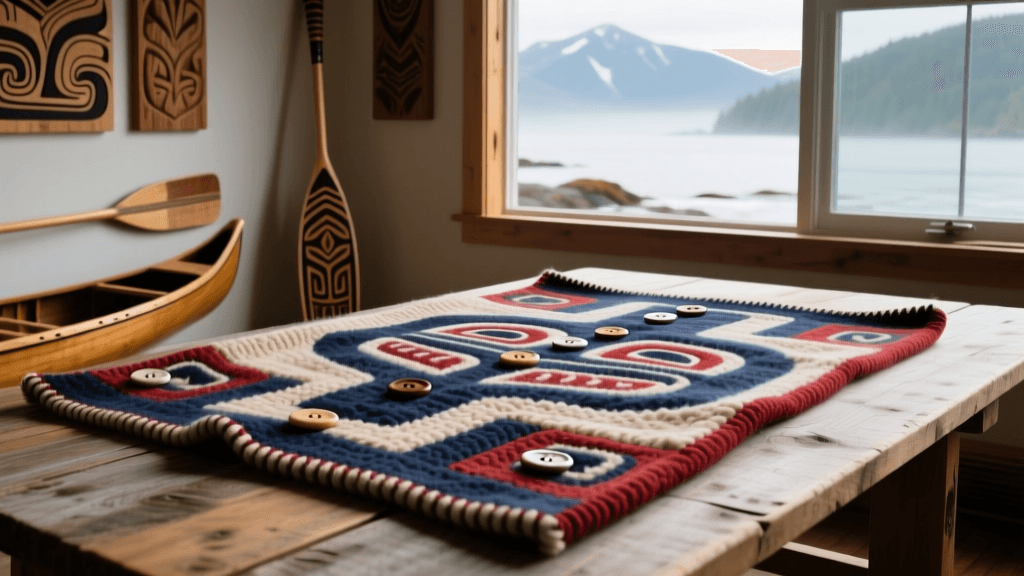
The button blanket, often referred to as a dance robe, is one of the most visually striking and culturally significant garments of the Pacific Northwest Coast. Worn during potlatches, memorial ceremonies, and traditional dances, these robes are far more than mere clothing. They serve as legal documents, historical records, and spiritual armor, displaying the clan crests and ancestral privileges of the wearer. In 2026, the revitalization of traditional regalia has reached new heights, with a new generation of Haida, Tlingit, and Kwakwaka'wakw artists merging ancestral formline design with contemporary textile techniques and digital provenance tracking.
For collectors, museum curators, and Indigenous community members looking to commission or purchase these masterpieces, navigating the 2026 market requires a deep understanding of cultural protocols, material costs, and legal protections. Whether you are seeking a vintage piece for an institutional archive or commissioning a new robe for ceremonial use, this comprehensive guide outlines everything you need to know about sourcing authentic Pacific Northwest button blankets today.
Regional Distinctions: Haida, Tlingit, and Kwakwaka'wakw
While the term 'button blanket' is often used as a catch-all for Northwest Coast dance robes, distinct regional and tribal variations exist in design, material application, and ceremonial use. Understanding these nuances is critical for accurate authentication and respectful commissioning.
Haida Robes
Haida button blankets are renowned for their bold formline designs, typically executed in striking red and black appliqué against a deep navy or black wool background. In 2026, Haida artists are increasingly incorporating intricate seed beadwork along the borders and within the negative spaces of the formline. The crests depicted—such as the Raven, Eagle, Bear, or Killer Whale—are strictly governed by Haida law, and an artist will only create a specific crest for a client who holds the hereditary right to display it.
Tlingit Regalia
Tlingit dance robes place a heavy emphasis on clan identity and historical narratives. According to the Sealaska Heritage Institute, Tlingit regalia is deeply intertwined with the moiety system (Raven and Eagle/Wolf). Tlingit robes frequently feature extensive use of ermine pelts, puffin beaks, and deer hooves attached to the hem to create a rhythmic percussive sound during the dance. The appliqué work is often highly detailed, utilizing multiple shades of red, blue, and green broadcloth to create depth within the crest figures.
Kwakwaka'wakw Ceremonial Blankets
Kwakwaka'wakw button blankets often feature distinctive copper-colored accents and graphic representations of ceremonial coppers, which are symbols of wealth and status. The designs tend to be highly stylized and bold, optimized for visibility across the large plank houses (bighouses) during winter ceremonies. The use of large, iridescent abalone buttons is particularly prominent in Kwakwaka'wakw pieces, catching the firelight and modern LED ceremonial lighting to create a dynamic visual effect during movement.
Materials and 2026 Market Pricing
The creation of an authentic button blanket requires specialized, high-quality materials. The transition from historic dentalium shells and Hudson's Bay Company point blankets to modern Melton wool and glass buttons has been standardized over the last century. In 2026, global supply chain shifts and a renewed focus on sustainable, ethically sourced materials have impacted the cost of raw goods for Indigenous artisans.
| Material | 2026 Sourcing Standard | Estimated Cost (2026) |
|---|---|---|
| Black Melton Wool | 100% Wool, heavy weight (24-32 oz), tightly woven | $55 - $85 per yard |
| Red Broadcloth / Flannel | Cotton/Wool blend for crisp appliqué edges | $30 - $45 per yard |
| Abalone Buttons | Genuine Pacific Northwest abalone, hand-polished | $4 - $12 per button |
| Czech Glass Buttons | Vintage or newly pressed faceted glass | $20 - $40 per hank |
| Ermine Pelts | Ethically trapped, tanned with traditional methods | $15 - $25 per pelt |
When commissioning a piece, buyers should expect the cost of materials to represent roughly 20% to 30% of the final price, with the remainder reflecting the artist's time, cultural knowledge, and technical skill. A standard adult dance robe requires between 4 and 6 yards of Melton wool, plus extensive yardage for the appliqué and lining.
Step-by-Step Guide to Commissioning a Robe
Commissioning a button blanket is a deeply collaborative process that requires patience, respect, and clear communication. In 2026, top-tier Indigenous textile artists often have waitlists extending 12 to 18 months. Follow these steps to ensure a respectful and successful commission.
- Step 1: Verify Tribal Enrollment and Lineage. Ensure the artist is a recognized member of a Northwest Coast Nation. This guarantees authenticity and ensures the artist has the cultural authority to handle sacred crest designs.
- Step 2: Determine Crest Rights. If you are an Indigenous buyer, you must provide documentation or elder verification of your right to wear a specific clan crest. If you are a non-Indigenous collector or institution, you must commission a 'generic' design, an artist's personal narrative, or a landscape motif, as displaying clan crests without hereditary rights is a severe cultural violation.
- Step 3: Establish Measurements and Use Case. A standard dance robe measures approximately 65 inches wide by 50 inches long. This allows for full arm extension during the potlatch dance. If the robe is intended for museum display rather than active ceremonial use, discuss archival mounting requirements with the artist upfront.
- Step 4: Agree on Pricing and Milestones. In 2026, a master-level button blanket ranges from $6,000 to $15,000, depending on the complexity of the beadwork and the inclusion of traditional elements like ermine. Expect to pay a 50% non-refundable deposit to cover materials and initial design drafting.
Authenticity and the Indian Arts and Crafts Act
The proliferation of 'Native-inspired' fast fashion and AI-generated textile patterns has made authentication more critical than ever. Under the Indian Arts and Crafts Act, it is illegal in the United States to offer or display for sale any art or craft product in a manner that falsely suggests it is Indian-produced. This federal truth-in-advertising law carries severe civil and criminal penalties.
When purchasing a button blanket, always request a Certificate of Authenticity that includes the artist's full name, tribal affiliation, and the specific community or Nation they belong to. In 2026, many Indigenous cooperatives and master artists have begun utilizing blockchain-backed digital provenance certificates. These digital tokens are linked to the physical garment via a discreet, scannable NFC thread woven into the lining, providing an immutable record of the robe's creation, materials, and ownership history.
Beware of online marketplaces offering 'Northwest Coast style' blankets for under $500. Genuine, hand-sewn button blankets require hundreds of hours of labor. Mass-produced items are typically screen-printed or machine-embroidered overseas and hold no cultural or ceremonial value.
Archival Care and Preservation
Whether housed in a private collection or a major institution like the Smithsonian National Museum of the American Indian, button blankets require specialized care to preserve the wool, broadcloth, and delicate beadwork. The heavy Melton wool is susceptible to moth damage, while the red appliqué dyes can fade rapidly under ultraviolet light.
Storage Protocols
Never hang a button blanket on a standard wire or wooden hanger; the weight of the wool and the hundreds of glass or abalone buttons will cause the shoulder seams to tear and the fabric to stretch irreparably. Instead, store the robe flat in an acid-free, archival-grade textile box. Pad the folds with unbuffered, acid-free tissue paper to prevent hard creases that can snap the cotton threads used in the appliqué work.
Cleaning and Maintenance
Do not dry clean or machine wash a button blanket. The harsh chemicals used in commercial dry cleaning will strip the natural oils from the wool, cause the red dyes to bleed, and cloud the iridescent finish of the abalone buttons. For routine maintenance, gently vacuum the surface using a low-suction setting with a fiberglass screen placed over the nozzle to protect the beadwork. If the robe requires deep cleaning, consult a professional textile conservator who specializes in Indigenous ceremonial garments.
Conclusion
The Pacific Northwest button blanket remains a vibrant, living art form that bridges the ancestral past with the dynamic present. By understanding the regional distinctions, respecting cultural protocols regarding crest ownership, and investing in authentic, master-crafted pieces, buyers and collectors can support the continued flourishing of Haida, Tlingit, and Kwakwaka'wakw textile traditions in 2026 and beyond. Whether worn in the bighouse or preserved in an archive, these robes continue to tell the enduring stories of the Northwest Coast.