Native American Regalia by Region: 2026 Sourcing Guide
The Living Tapestry of Indigenous North American Dress in 2026
Indigenous North American dress traditions are not static relics of the past; they are vibrant, living art forms that continue to evolve. In 2026, Native American and First Nations artisans are masterfully blending ancestral techniques with modern, sustainable sourcing methods to create breathtaking regalia. Whether it is the striking formline designs of the Pacific Northwest, the intricate beadwork of the Great Plains, or the stunning silver and turquoise silhouettes of the Southwest, regional dress traditions serve as powerful markers of identity, resilience, and cultural continuity.
For Indigenous creators, cultural practitioners, and respectful allies looking to understand or support these traditions, navigating the material landscape requires both cultural sensitivity and up-to-date market knowledge. This comprehensive 2026 guide explores the distinct dress traditions of major North American regions, offering actionable advice on ethical sourcing, current material costs, and the preservation of sacred textile arts.
Pacific Northwest Coast: Haida, Tlingit, and Kwakwaka'wakw Traditions
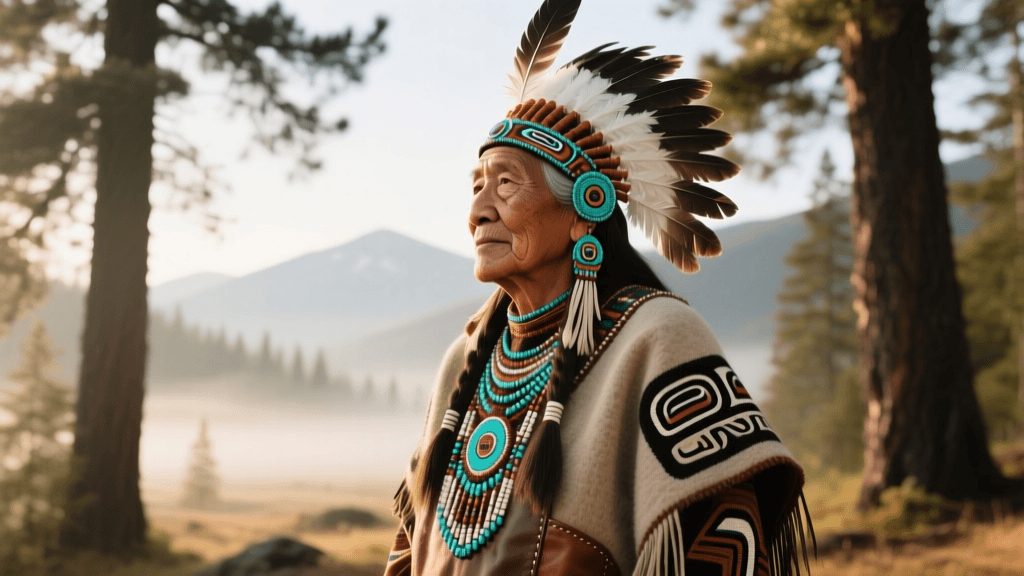
The Pacific Northwest Coast is globally renowned for its bold, graphic formline art, which is prominently featured in ceremonial dance robes, button blankets, and the highly complex Chilkat weavings. The button blanket, a staple of contemporary potlatches and ceremonial dances, typically features a base of heavy black Melton wool adorned with red flannel appliqué and hundreds of reflective abalone shell buttons.
Chilkat weaving, traditionally practiced by the Tlingit, Haida, and Tsimshian peoples, is one of the most complex weaving techniques in the world. It utilizes mountain goat wool and the inner bark of the yellow cedar tree to create heavy, fringed robes that sway dynamically during dances. According to the Sealaska Heritage Institute, preserving these weaving techniques is a major cultural priority, with new apprenticeships emerging across Alaska and British Columbia to pass down the intricate mathematical patterns required for Chilkat and Ravenstail weaving.
2026 Sourcing and Material Trends
In 2026, sourcing ethical abalone shell has become more complex due to stringent marine conservation laws protecting wild abalone populations. Artisans are increasingly turning to sustainably farmed New Zealand Paua shell, which offers a similar iridescent blue-green flash, or sourcing pre-1990 vintage abalone buttons from estate sales. For Chilkat weavers, harvesting yellow cedar bark requires careful coordination with local forestry departments to ensure sustainable stripping practices that do not harm the living tree. High-quality, pre-spun mountain goat wool remains a premium commodity, often trading within closed community networks rather than on the open market.
The Great Plains: Lakota, Cheyenne, and Comanche Regalia
The Great Plains region is synonymous with the breathtaking visual spectacle of powwow regalia, characterized by dynamic movement, elaborate featherwork, and masterful beadwork. The Lakota, Cheyenne, and Comanche nations have deeply influenced the broader Indigenous fashion landscape through innovations like the ribbon shirt, the star quilt, and the intricate 'lazy stitch' and 'peyote stitch' beadwork techniques.
Ribbon shirts, originally adapted from European trade cloth in the 19th century, have evolved into highly personalized garments featuring bold, contrasting silk or polyester ribbons. In 2026, contemporary ribbon shirts often incorporate modern tailoring techniques, hidden pockets, and moisture-wicking linings to accommodate the physical demands of competitive powwow dancing.
2026 Sourcing and Material Trends
For beadworkers in 2026, the market for size 11/0 seed beads is dominated by two major players: Czech Preciosa Ornela and Japanese Miyuki. While Miyuki Delicas offer uniform, cylindrical perfection ideal for flat peyote stitch, many traditionalists still prefer the slightly irregular, rounded shape of Czech Preciosa beads for lazy stitch and loom work, as they mimic the historical feel of 19th-century glass trade beads. As of early 2026, a standard hank of high-quality Czech seed beads averages between $4.50 and $6.00, depending on the rarity of the color finish. Broadcloth, particularly in deep reds, navy blues, and blacks, remains the foundational fabric for leggings and skirts, with premium wool-blend broadcloth costing approximately $35 to $45 per yard from specialized Indigenous-owned textile suppliers.
The Southwest: Diné (Navajo) and Pueblo Textile & Silver Traditions
The Southwest region boasts a rich, dual heritage of masterful textile weaving and world-class silversmithing. The Diné (Navajo) are celebrated for their upright loom weaving, creating intricate rugs and wearing blankets, while Pueblo nations like the Hopi and Zuni have distinct traditions of embroidered mantas, woven sashes, and ceremonial kilts. The introduction of silversmithing in the mid-19th century led to the creation of iconic wearable art, including the squash blossom necklace, concho belts, and heavy silver bolos.
2026 Sourcing and Material Trends
The turquoise market in 2026 has shifted significantly. With the famous Sleeping Beauty mine in Arizona having closed years ago, high-grade, untreated Sleeping Beauty turquoise now commands premium collector prices, often exceeding $15 per carat for top-tier cabochons. Consequently, contemporary Diné and Zuni silversmiths are increasingly utilizing stabilized turquoise from the Kingman and Royston mines, which offer exceptional durability and vibrant matrix patterns at a more accessible price point for everyday ceremonial wear. For weavers, sourcing high-grade, commercially spun Churro wool yarn remains essential, with specialized mills in New Mexico and Colorado providing custom, naturally dyed yarn batches that reflect the traditional color palettes of the Four Corners region.
2026 Regional Material Sourcing and Cost Comparison
Understanding the current market value of traditional materials is crucial for artisans and collectors alike. The table below outlines the primary materials, traditional uses, and 2026 estimated costs for key regional garments.
| Region / Tribe | Garment Type | Primary Materials | 2026 Sourcing Tip | Est. 2026 Cost |
|---|---|---|---|---|
| Pacific NW (Haida) | Button Blanket | Melton Wool, Abalone | Use farmed Paua shell for ethical, budget-friendly iridescence. | $25 - $40 / yard (Wool) |
| Great Plains (Lakota) | Beaded Moccasins | Brain-tanned Buckskin, Size 11/0 Beads | Czech Preciosa offers traditional rounded profiles for lazy stitch. | $4.50 - $6.00 / hank |
| Southwest (Diné) | Concho Belt | Coin Silver, Turquoise | Kingman stabilized turquoise provides durability and vibrant matrix. | $3 - $8 / carat (Stabilized) |
| Great Plains (Cheyenne) | Ribbon Shirt | Broadcloth, Silk Ribbons | Source double-faced silk ribbons to prevent fraying during dance. | $12 - $18 / spool |
Navigating Ethics and the Indian Arts and Crafts Act
As interest in Indigenous fashion and regalia grows, so does the risk of cultural appropriation and counterfeit goods. It is vital to understand the legal and ethical frameworks protecting these traditions. In the United States, the Indian Arts and Crafts Board enforces the Indian Arts and Crafts Act, a truth-in-advertising law that prohibits the sale of any art or craft product in a manner that falsely suggests it is Indian-produced. When purchasing beadwork, silverwork, or woven textiles, always verify that the artisan is a recognized member of a state or federally recognized tribe.
For non-Indigenous individuals seeking to incorporate Native American design elements into their wardrobes, the line between appreciation and appropriation is defined by consent, compensation, and context. Purchasing directly from Indigenous-owned businesses, attending recognized Native art markets like the Santa Fe Indian Market, and avoiding the mass-produced, stereotypical 'costume' items sold by fast-fashion retailers are the best ways to support the living economies of these dress traditions.
Preserving the Future of Regional Dress
The survival of Indigenous North American dress traditions relies heavily on intergenerational knowledge transfer and community support. Educational initiatives, such as the Native Knowledge 360 program by the National Museum of the American Indian, are instrumental in teaching both Native and non-Native students about the deep cultural significance of these garments. In 2026, we are witnessing a renaissance of Indigenous fashion, where young designers are reclaiming their ancestral aesthetics and projecting them onto the global stage. By understanding the regional nuances, respecting the sacredness of ceremonial wear, and supporting ethical material sourcing, we can help ensure that these magnificent textile and adornment traditions continue to thrive for generations to come.