Mormon Temple Garments in 2026: Meaning, Purpose & Styles

Understanding the Sacred: What Are Mormon Temple Garments?
Within the rich tapestry of religious dress across the Americas, few garments carry as much personal significance and public curiosity as the Mormon temple garment. Often referred to by outsiders as 'Mormon undergarments' or 'LDS garments,' these sacred items are worn by endowed members of The Church of Jesus Christ of Latter-day Saints. Far from being mere underclothing, the garment represents a deeply personal, spiritual commitment and serves as a daily, tangible reminder of covenants made in sacred temples.
As we navigate the cultural and religious landscapes of the Americas in 2026, understanding the true meaning, purpose, and evolving traditions of the temple garment is essential. This guide explores the spiritual significance, historical context, and modern practicalities of LDS garments, including how they intersect with diverse Indigenous and Latin American cultural dress, alongside a comprehensive look at the fabric technologies and purchasing options available today.
The Spiritual Meaning and Purpose
The primary purpose of the temple garment is spiritual. According to the Church's official teachings, the garment serves as a reminder of the covenants members make during temple ordinances. It is viewed as a form of spiritual armor, offering protection against temptation and evil, and encouraging modesty in dress and lifestyle.
According to the Gospel Topics essay on Temple Garments published by The Church of Jesus Christ of Latter-day Saints, the garment 'provides a constant reminder of the covenants made in the temple' and 'fosters modesty and provides a shield and protection to the wearer.' The markings woven or stitched into the fabric hold specific symbolic meanings related to divine attributes, moral compasses, and the teachings of Jesus Christ. While the exact nature of these symbols is considered sacred and is not discussed in casual or public settings by endowed members, their overarching purpose is to orient the wearer's mind toward divine truths and ethical living.
Historical Traditions and Evolution
The tradition of wearing sacred garments is not unique to Latter-day Saints; similar concepts exist in various global religions, such as the Jewish tallit katan or the Sikh kachera. In the LDS tradition, the garment was introduced by the Prophet Joseph Smith in the early 1840s in Nauvoo, Illinois.
Originally, the garment was a one-piece union suit that extended to the wrists and ankles, reflecting the modesty standards and practical needs of the 19th century. Over the decades, as societal norms and clothing styles evolved, the Church adapted the garment's design to remain practical for modern wearers while preserving its sacred function. The transition to the modern two-piece garment (a t-shirt style top and knee-length shorts) occurred in the early to mid-20th century. Today, in 2026, the design continues to balance sacred tradition with contemporary textile advancements, ensuring members can wear them comfortably in any climate or lifestyle.
Cultural Intersections: Indigenous and Latin American Traditions
One of the most fascinating aspects of the LDS garment in the Americas is how it intersects with Indigenous and traditional Latin American clothing. The Church has a massive and vibrant demographic presence across North, Central, and South America, including among Indigenous populations such as the Navajo (Diné), the Maya in Guatemala, and various Andean communities.
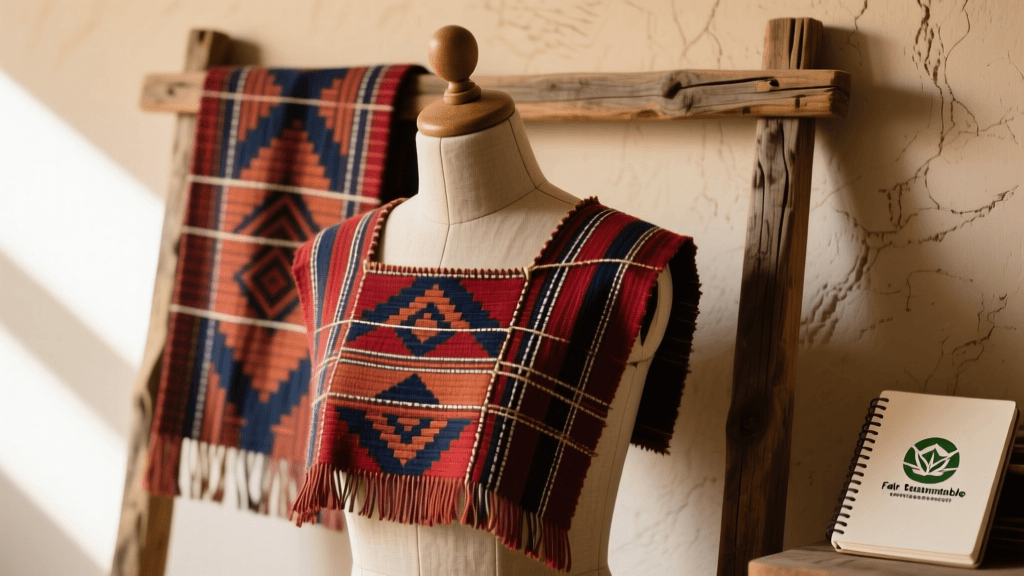
For Indigenous and traditional LDS members, balancing cultural regalia with the requirement to wear the temple garment is a unique aspect of their lived faith. The modern garment's low-profile necklines and neutral color palettes (white, light grey, and sand) are specifically designed to remain hidden beneath traditional outerwear. For example, a Maya woman in the highlands of Guatemala can wear her traditional, hand-woven huipil with pride, while seamlessly wearing her garment beneath it. Similarly, Native American men participating in cultural ceremonies or powwows (where permitted by local tribal and Church leaders) often wear traditional ribbon shirts or regalia that accommodate the modesty requirements of the garment. This synthesis of sacred religious dress and Indigenous cultural identity highlights the garment's adaptability across the diverse cultural landscapes of the Americas.
2026 Fabric and Style Guide for Endowed Members
The Church Distribution system has vastly expanded its textile offerings over the last decade. In 2026, endowed members have access to highly specialized fabrics designed to accommodate everything from arid desert climates to the humid tropics of Central America. Below is a comparison of the primary garment styles available today.
| Fabric Type | Best Climate / Use Case | Key Features (2026) | Care Instructions |
|---|---|---|---|
| 100% Cotton | Temperate climates, sensitive skin | Traditional feel, highly durable, natural breathability. | Machine wash warm, tumble dry low. |
| Modal Blend | Everyday wear, office environments | Exceptionally soft, drapes well, resists shrinking and fading. | Machine wash cold, hang dry recommended. |
| Performance Mesh | Tropical, humid, high-heat regions | Advanced moisture-wicking, ultra-lightweight, quick-drying. | Machine wash cold, tumble dry low (no fabric softener). |
| Stretch / Active | Athletics, manual labor, travel | Four-way stretch fabric, anti-chafing seams, odor-resistant. | Machine wash cold, air dry for longevity. |
Additionally, the Church offers specialized styles for women, including cap-sleeve, scoop-neck, and camisole styles, ensuring the garment remains hidden beneath a wide variety of modern and traditional outerwear. Men's styles similarly feature variations in sleeve length and inseam to accommodate different cultural and professional dress codes.
Purchasing Guidelines and Care Instructions
Because of their sacred nature, temple garments are not sold in commercial retail stores. They are exclusively available through the official Church Distribution Store and local Distribution Centers located near temples worldwide.
How to Purchase in 2026
- Eligibility: Only members who have received their temple endowment and hold a valid, unexpired temple recommend are permitted to purchase garments.
- Ordering Methods: Members can order online via the Church Distribution website, through the official mobile app, by phone, or in-person at a Distribution Center. The 2026 app update includes a 'quick reorder' feature that saves your exact sizing and preferred fabric profiles.
- Sizing: Accurate sizing is crucial for comfort and modesty. The Church provides digital sizing guides and printable tape measures on their portal. It is highly recommended to measure your chest, waist, and inseam rather than relying on standard commercial clothing sizes, as garment sizing is uniquely calibrated.
- Pricing: The Church operates Distribution on a non-profit basis to keep costs as low as possible. In 2026, a standard two-piece set typically ranges from $12 to $18 USD, depending on the fabric technology selected, with global subsidies applied to ensure accessibility in developing regions across Latin America and beyond.
Proper Care and Respectful Disposal
Caring for the garment is an extension of the respect members hold for it. Garments should be washed regularly, but care must be taken to preserve the integrity of the fabric and the sacred markings. Bleach and harsh stain removers should be avoided, as they can degrade the fibers and distort the symbols.
When a garment becomes worn, torn, or unusable, it is not thrown away in standard refuse. Tradition and Church policy dictate that the markings be carefully cut out and destroyed to maintain their sacredness. The remaining fabric can then be discarded or repurposed as cleaning rags, ensuring the sacred elements are treated with reverence even at the end of the garment's physical lifespan.
Conclusion
The Mormon temple garment is far more than a piece of clothing; it is a profound expression of faith, a shield of modesty, and a daily connection to the divine. As we look at the religious dress traditions of the Americas in 2026, the LDS garment stands out as a unique intersection of ancient covenant-making and modern textile innovation. Whether worn beneath the business attire of a professional in New York, the traditional woven textiles of an Indigenous artisan in Oaxaca, or the lightweight linens of a missionary in Brazil, the garment remains a unifying, sacred thread for millions of Latter-day Saints across the globe.