The Ultimate Guide to Hanfu Festivals and Community Meetups
The Rise of the Hanfu Community and Convention Culture
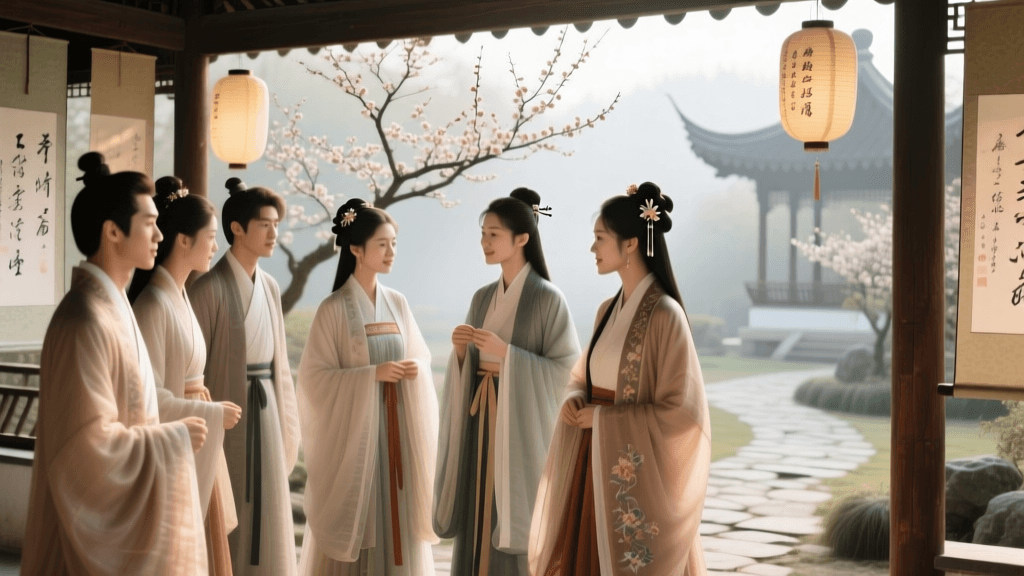
Over the past decade, the revival of traditional Chinese clothing has transformed from a niche internet hobby into a vibrant, real-world cultural movement. Today, Hanfu enthusiasts—affectionately known as 'Tongpao' (companions)—gather by the thousands at dedicated festivals, botanical garden meetups, and historical conventions. Whether you are a seasoned collector of Ming Dynasty replicas or a curious newcomer looking to rent your first Ruqun, attending a Hanfu event is an immersive experience that requires preparation, cultural awareness, and a strategic wardrobe.
This comprehensive guide will walk you through the logistics of major Hanfu conventions, how to curate an event-appropriate wardrobe, budgeting for your trip, and the unspoken etiquette of community photography.
Major Hanfu Festivals You Should Know
Xitang Hanfu Culture Week
Held annually in late autumn (usually October or November), the Xitang Hanfu Culture Week is widely considered the 'Comic-Con' of the traditional garment world. Set against the picturesque backdrop of the Xitang water town in Zhejiang Province, the event draws hundreds of thousands of attendees. The ancient stone bridges, misty canals, and traditional white-walled architecture provide the ultimate canvas for Hanfu photography. Highlights include the grand opening parade, traditional archery and martial arts demonstrations, and academic forums on historical textile weaving.
Seasonal Park Meetups
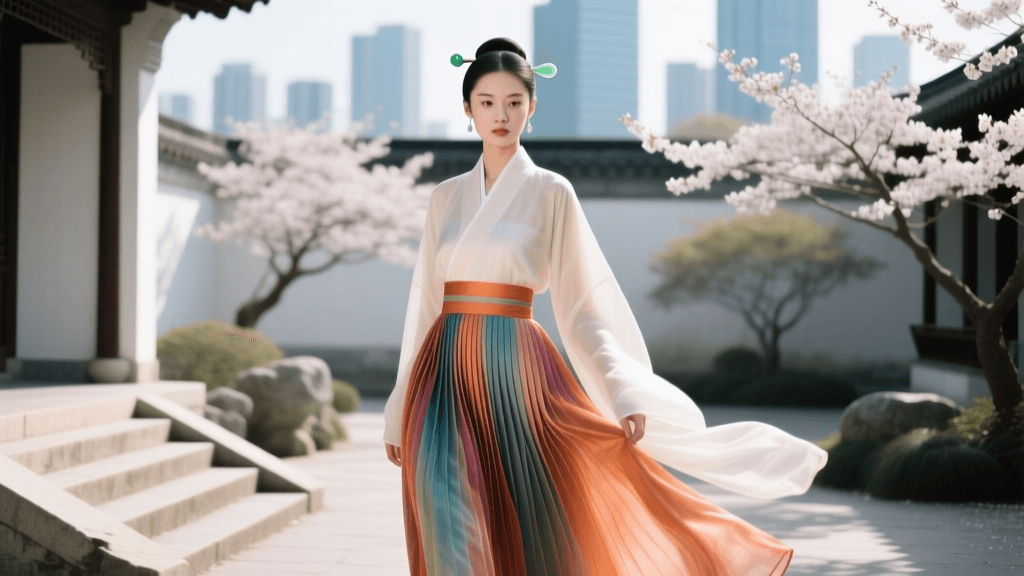
If traveling to a mega-convention isn't feasible, local Hanfu societies organize seasonal meetups in major cities worldwide. The most popular are the Spring Cherry Blossom gatherings (March/April) and the Mid-Autumn Festival lantern walks (September). These events are usually free to attend, highly localized, and focus heavily on community bonding, picnic aesthetics, and group photography.
Curating Your Event Wardrobe: What to Wear
Choosing the right garment for a convention is a balance between historical accuracy, visual impact, and practical comfort. You will be walking miles on cobblestones or uneven park grass, making fabric weight and skirt length critical factors.
The Mamianqun (Horse-Face Skirt)
The Ming Dynasty Mamianqun is the undisputed queen of Hanfu conventions. Its structured, wrap-around design with deep knife pleats creates a stunning silhouette that photographs beautifully in motion. When purchasing or renting a Mamianqun for an event, pay attention to the fabric width and length. A high-quality skirt requires at least 4.5 to 6 meters of fabric to achieve the proper pleat density. For a wearer who is 165 cm (5'5") tall, a skirt length of 100 cm to 105 cm is ideal—it grazes the ankle, preventing the hem from dragging through muddy park grass or dirty water-town streets.
Song Dynasty Beizi (Outer Jacket)
For summer or late-spring meetups, heavy brocades will lead to heat exhaustion. Instead, opt for Song Dynasty styles featuring the Beizi (a long, open-front jacket) paired with a lightweight pleated skirt. Brands like Shisanyu offer excellent, breathable linen and cotton blends that maintain historical silhouettes while allowing for airflow. The V&A Museum's extensive archives of Chinese textiles and garments highlight the historical precedence for lightweight, breathable summer weaves, proving that historical accuracy and summer comfort can coexist.
Navigating Sizing and Taobao Purchases
Unlike Western fast fashion, traditional Hanfu brands operating on platforms like Taobao and Weidian rely heavily on specific body measurements rather than generic S/M/L sizing. When ordering a garment for an upcoming convention, you must know your exact bust, waist, and hip measurements in centimeters. For wrap-around skirts like the Mamianqun, the waist measurement is critical; a skirt that is too small will not overlap properly, exposing the undergarments, while one that is too large will cause the heavy pleats to sag and drag on the floor. Most reputable brands provide detailed sizing charts and offer custom-length hemming services for an additional fee of about 30 to 50 RMB. Always order at least four to six weeks before your event to account for manufacturing and international shipping times.
Budgeting for a Hanfu Convention
Attending a Hanfu event can be as budget-friendly or as luxurious as you desire. Below is a breakdown of estimated costs for a typical weekend convention trip in China, which can help international attendees plan their finances.
| Expense Category | Estimated Cost (USD) | Estimated Cost (RMB) | Notes & Tips |
|---|---|---|---|
| Event / Scenic Entry | $15 | ¥95 | Water town entry fees; some events offer free entry if you are already wearing Hanfu. |
| Hanfu Rental (1 Day) | $25 - $40 | ¥150 - ¥280 | Includes garment and basic hair accessories. Book weeks in advance for popular styles. |
| Entry-Level Mamianqun | $45 - $70 | ¥300 - ¥500 | Purchase from reliable Taobao/Weidian brands like Zhongling or Tingyue. |
| Professional Hair Styling | $20 - $45 | ¥150 - ¥300 | On-site stylists at conventions. Bring your own U-pins to save time and money. |
| Regional Transit | $30 - $50 | ¥200 - ¥350 | High-speed rail from major hubs (e.g., Shanghai to Jiashan for Xitang). |
Event Etiquette and Photography Rules
The Hanfu community is incredibly welcoming, but because conventions are heavily focused on visual arts and photography, there are strict unspoken rules you must follow.
- Always Ask for Consent: Never point a camera or smartphone at a Tongpao without asking. A simple 'Excuse me, may I take a photo?' (or 'Keyi pai zhao ma?' in Mandarin) is expected.
- Respect the 'Circle': If you see a photographer and a model working together in a designated spot, do not walk through their frame or stand in the background. Wait for the shoot to finish before moving through the area.
- Garment Handling: Never touch another person's Hanfu, even to admire the embroidery or fabric texture. Oils from hands can damage delicate silk jacquards or metallic threads.
- Historical vs. Fantasy: Be mindful that some attendees wear historically accurate, museum-replica garments, while others wear 'Hanfu-inspired' fantasy or Xianxia styles. Avoid correcting people's outfits publicly; the community values inclusivity and personal expression alongside strict historical research.
The Ultimate Convention Survival Packing List
Beyond the garments themselves, surviving a 10-hour day at a Hanfu festival requires a specialized toolkit. Pack a discreet tote bag with the following essentials:
- Safety Shorts: Essential for wearing under wrap-around Mamianqun or high-slit Song skirts, especially on windy days.
- Double-Sided Fashion Tape: Crucial for securing the overlapping collars of Ruqun and Beizi, which can gape open in windy conditions or when bending over.
- U-Pins and Hair Sticks: Even if you plan to use an on-site stylist, bringing your own 20cm metal U-pins ensures your updo survives the afternoon crowds.
- Lint Roller and Steamer: Pleated skirts wrinkle easily when sitting. A portable, battery-operated travel steamer is a lifesaver for refreshing your garments before a major group photo.
- Blister Plasters and Flat Shoes: While traditional cloud-toe shoes look beautiful, many attendees wear modern, comfortable leather loafers or sneakers under their long skirts to survive the miles of walking.
Conclusion
Attending a Hanfu convention or community meetup is about more than just wearing beautiful clothes; it is an active participation in a living, breathing cultural revival. By understanding the history of the garments, budgeting wisely, and respecting the community's etiquette, you can fully immerse yourself in the magic of these extraordinary gatherings. Whether you are twirling a Mamianqun under the cherry blossoms or navigating the ancient bridges of Xitang, the Hanfu community offers a unique bridge between the ancient past and the vibrant present.