The Ultimate Guide to Hanfu Conventions and Community Meetups
The Rise of the Global Hanfu Movement
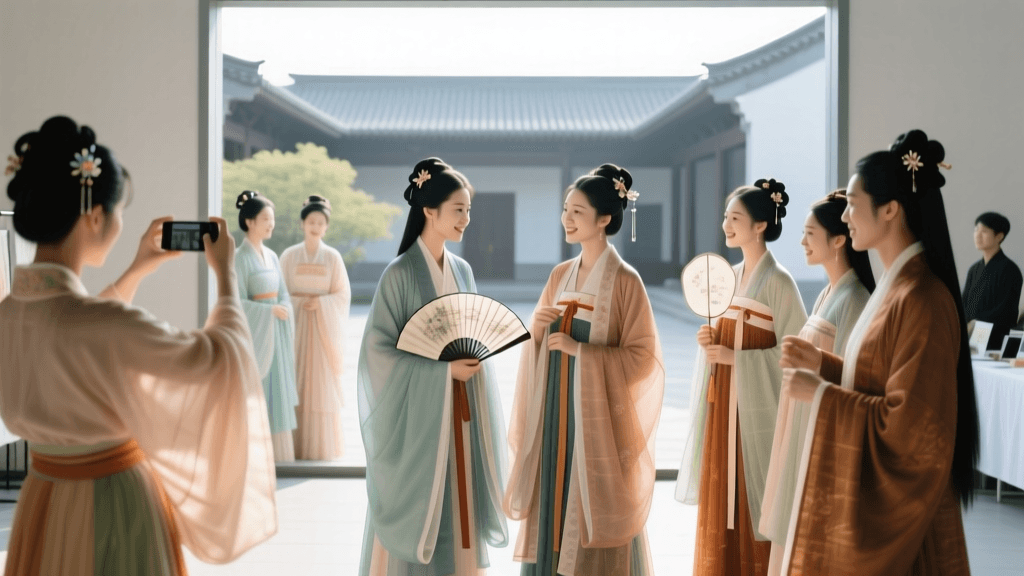
Over the past two decades, the Hanfu movement has transformed from a niche online interest into a vibrant, global cultural phenomenon. What began as small, localized gatherings of history enthusiasts has blossomed into massive international conventions, park meetups, and dedicated cultural festivals. According to BBC News, the revival of traditional Han Chinese clothing is largely driven by a younger generation seeking to reconnect with their heritage, express their cultural identity, and celebrate the aesthetics of antiquity in a modern context.
For both seasoned enthusiasts and curious newcomers, attending a Hanfu convention or local meetup is an unparalleled way to experience the textiles, accessories, and community spirit firsthand. This comprehensive guide will walk you through the major global events, practical preparation tips, budgeting strategies, and the etiquette required to navigate these beautiful gatherings with confidence and respect.
The Evolution of Hanfu Gatherings
In the early 2000s, wearing Hanfu in public often drew confused stares or was mistaken for theatrical costuming or Japanese kimono. Early community meetups were small, informal, and primarily focused on educating the public and supporting one another. Today, the landscape is vastly different. As noted by cultural analysts at Sixth Tone, the commercialization and mainstream acceptance of Hanfu have led to the establishment of dedicated retail hubs, professional styling services, and large-scale municipal-backed festivals. Modern meetups are no longer just about wearing the clothes; they encompass traditional archery, tea ceremonies, classical dance, and historical reenactments.
Major Hanfu Festivals and Conventions Worldwide
The Xiamen Hanfu Festival (China)
One of the largest and most prestigious events in the community is the Xiamen Hanfu Festival, typically held in the spring and autumn. This multi-day convention attracts tens of thousands of attendees from across Asia. The event features grand parades through historical districts, vendor halls showcasing independent artisans and established brands like Shisanyu and Minghuatang, and workshops on traditional embroidery and jade carving. It is the ultimate destination for those looking to immerse themselves in the highest tier of Hanfu couture and community networking.
International Gatherings: New York, London, and Beyond
The Hanfu movement has crossed borders, with diaspora communities organizing stunning events in major Western cities. The New York Hanfu Movement, for example, frequently organizes seasonal meetups in locations like Central Park and the New York Botanical Garden. These events often coincide with major cultural holidays such as the Mid-Autumn Festival or the Qixi Festival (Chinese Valentine's Day). Similarly, European hubs like London and Paris host Hanfu picnics and museum meetups, often covered extensively by the South China Morning Post's lifestyle desk, highlighting the global appeal of traditional Asian garments.
Practical Guide: Attending Your First Hanfu Meetup
Choosing the Right Attire for the Venue
Selecting the appropriate Hanfu style is crucial for comfort and historical cohesion, especially when attending outdoor meetups or formal conventions.
- Ruqun (襦裙): A blouse and skirt combination ideal for spring and summer park meetups. The flowing skirts are breathable and photograph beautifully in natural light.
- Mamianqun (马面裙): The iconic pleated horse-face skirt is incredibly versatile. It can be paired with a traditional top or a modern blouse, making it a favorite for urban street photography and casual city meetups.
- Aoqun (袄裙) and Pifeng (披风): For autumn or winter conventions, layered garments with heavier brocades and insulated collars are essential. A woven Pifeng (cape) adds both warmth and dramatic elegance.
Hair, Accessories, and Footwear
A complete Hanfu look requires meticulous attention to accessories. Avoid modern plastic jewelry; instead, invest in velvet flowers (Ronghua), resin jade hairpins, or metallic Buyao (step-shake hairpins) that sway gracefully as you walk. For footwear, traditional cloud-toe shoes (Yunjitou) or embroidered flats are standard. If you must wear modern shoes for comfort during long conventions, opt for plain, neutral-colored leather flats or ankle boots that can be hidden beneath the hem of a long Mamianqun.
Budgeting for Hanfu Events
Attending Hanfu conventions can range from an affordable afternoon outing to a major travel investment. Below is a structured comparison to help you budget for different types of community events.
| Event Type | Estimated Entry Cost | Recommended Attire Budget | Travel & Accommodation |
|---|---|---|---|
| Local Park Meetup | Free | $50 - $150 (Entry-level Taobao brands) | Local transit only |
| Regional Cultural Festival | $10 - $30 | $150 - $400 (Mid-tier independent studios) | Domestic flights / 1-night hotel |
| Major Convention (e.g., Xiamen) | $20 - $50 (VIP passes higher) | $300 - $1,500+ (Haute couture, silk, custom tailoring) | International flights / 3-night hotel |
| Private Studio Photoshoot | $100 - $300 (Studio fee) | Rental included or $200+ for personal garments | Local transit |
Hanfu Etiquette and Community Guidelines
The Hanfu community is generally welcoming, but it operates on a foundation of mutual respect and historical appreciation. To ensure a positive experience, adhere to the following guidelines:
- Photography Consent: Always ask for permission before photographing attendees. Many enthusiasts spend hours on their hair and makeup, and while they are usually happy to share their looks, consent is paramount.
- Historical Accuracy vs. Fantasy: Understand the distinction between historical Hanfu and Xianxia (fantasy) costumes. While fantasy garments are beautiful, most traditional meetups prioritize historical accuracy based on archaeological findings and historical texts. Wearing screen-accurate fantasy costumes to a strict historical meetup may be viewed as out of place.
- Garment Care: Treat traditional textiles with respect. Avoid dragging silk hems on muddy ground, and learn the proper way to fold and store your garments to preserve the pleats of your Mamianqun.
How to Organize a Local Hanfu Meetup
If you live in an area without an established Hanfu community, you have the opportunity to become a pioneer and organize your own meetup. Here is a step-by-step planning checklist to get you started.
Step-by-Step Planning Checklist
- Location Scouting: Choose a venue that complements the aesthetic of the garments. Botanical gardens, historical estates, classical architecture, and quiet bamboo forests are ideal. Ensure the location allows photography and does not require expensive commercial permits for casual gatherings.
- Establish Communication Channels: Create a Discord server, a WeChat group, or an Instagram page dedicated to your local city's Hanfu enthusiasts. Use hashtags like #Hanfu[YourCity] to attract local members.
- Set a Theme and Date: Align your meetup with a traditional holiday, such as the Hua Zhao Festival (Flower Festival) in the spring or the Double Ninth Festival in the autumn. This gives the event a cultural purpose beyond just taking photos.
- Plan Group Activities: To break the ice, organize a shared activity. This could be a traditional tea tasting, a group reading of classical poetry, or a workshop on how to properly tie a Hanfu sash and secure a hairpin.
- Partner with Local Businesses: Reach out to local Asian tea houses, calligraphy studios, or independent boutiques. They may offer a discount to your group or provide a private indoor space in case of inclement weather.
Conclusion
Hanfu conventions and community meetups are more than just fashion shows; they are living, breathing celebrations of Asian heritage, craftsmanship, and communal identity. Whether you are meticulously planning your attire for the grand parades of Xiamen, or simply packing a Ruqun for a quiet afternoon picnic in a local botanical garden, the Hanfu community offers a welcoming space to explore history through the art of dress. By understanding the etiquette, budgeting wisely, and embracing the rich traditions behind the textiles, you can fully immerse yourself in one of the most dynamic cultural movements of the 21st century.