Collecting Taisho Era Antique Kimonos: Expert Guide
Introduction to Taisho Era Kimonos
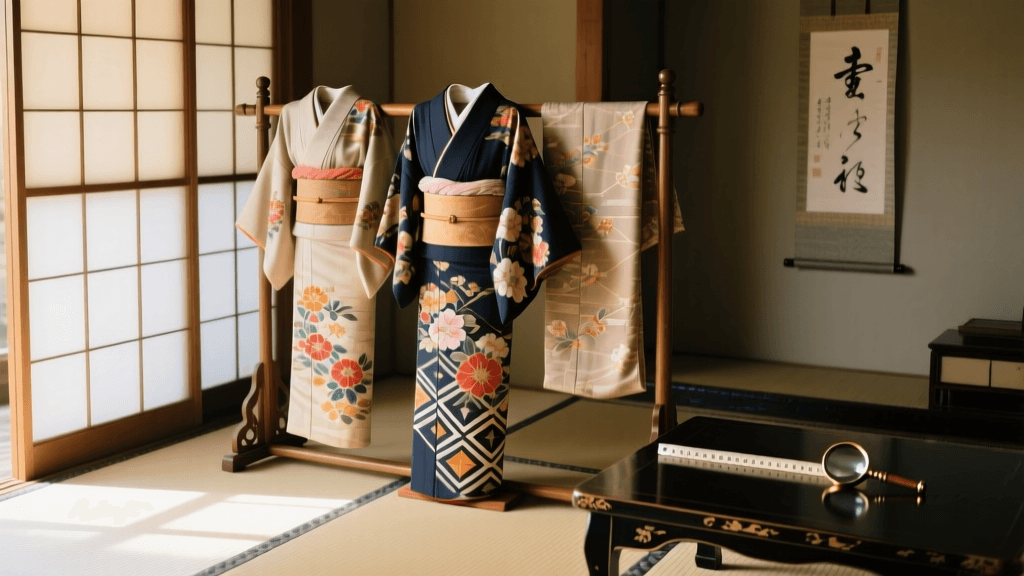
The Taisho era (1912–1926) was a brief but profoundly transformative period in Japanese history, sandwiched between the rapid modernization of the Meiji period and the militaristic expansion of the Showa era. For vintage and antique kimono collectors, Taisho-era garments represent the holy grail of Japanese textile art. These pieces are characterized by their vibrant, unconventional color palettes, innovative weaving techniques, and the unique cultural blending known as Taisho Roman. Unlike the highly formalized and strictly regulated kimono styles of later decades, Taisho kimonos were experimental, expressive, and heavily influenced by global art movements. According to the Metropolitan Museum of Art's Heilbrunn Timeline of Art History, the evolution of the kimono during this period reflects a society actively negotiating its traditional identity alongside an influx of Western aesthetic ideals.
The Allure of Taisho Roman Aesthetics
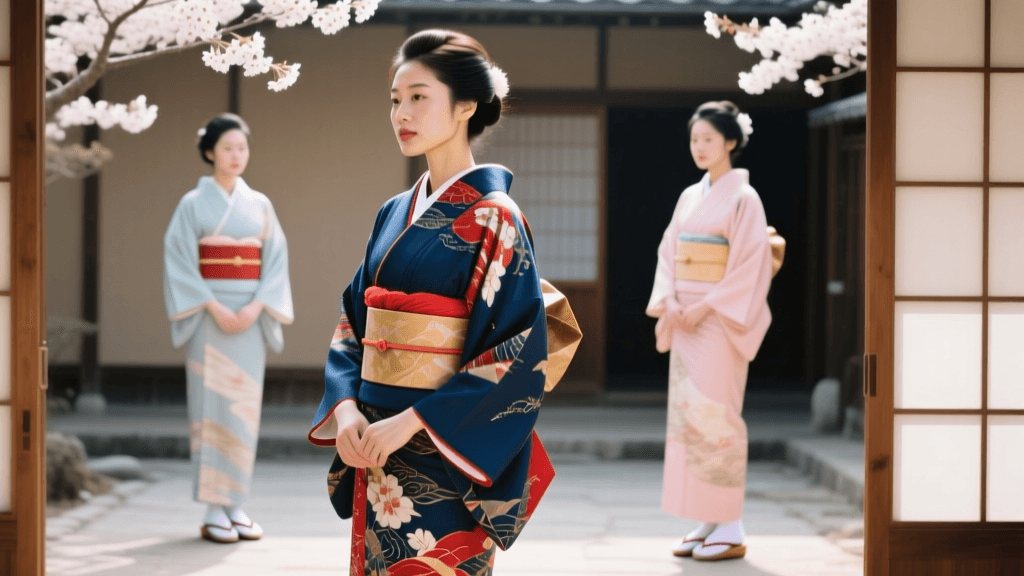
Taisho Roman refers to the romantic, cosmopolitan culture of the 1910s and 1920s in Japan. During this time, the urban middle class expanded, and women began entering the workforce and attending universities. The kimono designs of this era reflect this newfound liberation. Collectors should look for motifs that deviate from traditional nature scenes. While cherry blossoms and cranes were still present, Taisho designers introduced Art Deco geometry, skyscrapers, airplanes, stained glass patterns, and bold, abstract typography into their textile designs. The color stories also shifted dramatically; deep purples, mustard yellows, vivid crimsons, and stark blacks were juxtaposed in ways that had never been seen in Edo-period garments.
Key Textiles: Meisen and Yuzen
When evaluating Taisho antiques, understanding the dominant textile techniques of the era is crucial for accurate identification and valuation.
Meisen Silk (Ikat)
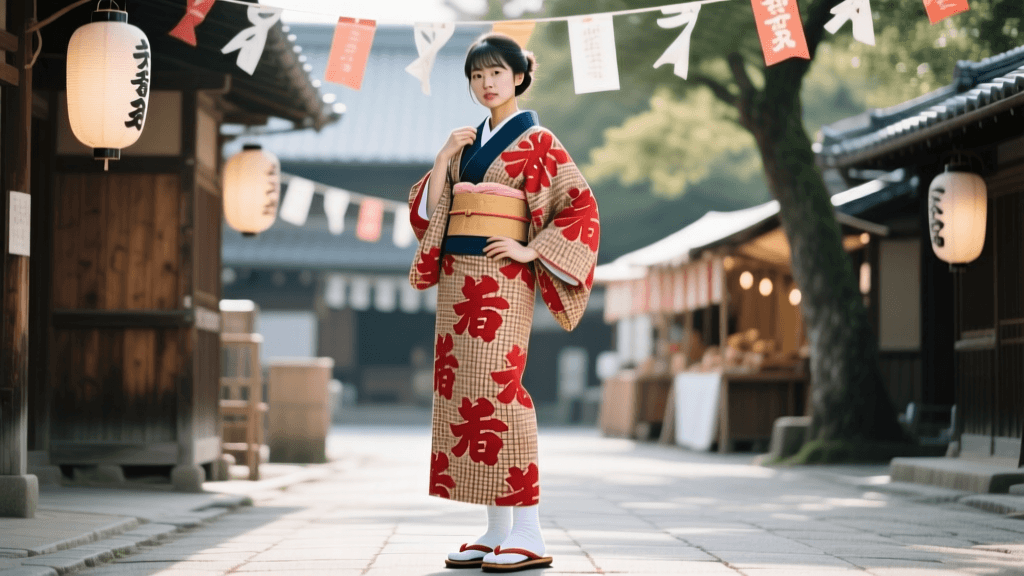
Meisen is arguably the most iconic textile of the Taisho era. It is a type of ikat (kasuri) silk where the threads are pre-dyed using stencils before being woven. This technique creates a slightly blurred, textured edge to the patterns, giving the fabric a soft, painterly quality. Meisen was relatively affordable and highly durable, making it the fabric of choice for schoolgirls, teachers, and the modern moga (modern girl). Collectors highly prize Taisho Meisen for its bold, graphic patterns that look remarkably contemporary even a century later.
Yuzen Dyeing
For more formal or luxurious garments, Yuzen dyeing was the standard. Taisho-era Yuzen often features a technique called hogushi-gasuri, where warp threads are printed with a design before weaving, and then further embellished with hand-painted Yuzen dyes. The Victoria and Albert Museum's Asian textile archives highlight how Japanese artisans during this time masterfully adapted synthetic aniline dyes from Europe, allowing for unprecedented color saturation and complexity in Yuzen designs. When inspecting a Yuzen kimono, look for the intricate rice-paste resist lines and the subtle gradients (bokashi) that indicate high-level artisan craftsmanship.
Authentication: How to Spot a True Taisho Piece
Distinguishing a genuine Taisho kimono from an early Showa (post-1926) or late Meiji (pre-1912) piece requires a trained eye. Here are the primary diagnostic markers for collectors:
- The Lining (Hakkake and Eri): Taisho kimonos are famous for their striking linings. While later Showa kimonos typically feature plain white or muted linings, Taisho garments often boast vibrant, stenciled linings in bold reds, oranges, or even contrasting greens. A bright, patterned red silk lining is a strong indicator of a Taisho or early Showa origin.
- Collar Construction (Eri): The collars on Taisho kimonos tend to be wider and softer, designed to drape elegantly over the collarbone. In contrast, mid-Showa kimonos often feature narrower, stiffer collars meant to be pulled tight against the back of the neck.
- Sleeve Length and Shape: Taisho-era unmarried women's kimonos (furisode) often feature exceptionally long, sweeping sleeves with deeply rounded corners, sometimes exceeding 100cm in drop length. The armholes (miyatsukuchi) are also typically left open and finished with delicate, contrasting silk binding.
- Panel Width: Antique kimonos were woven on narrow looms. A genuine Taisho piece will have a standard panel width of approximately 34cm to 36cm. If the fabric panels are significantly wider, it is likely a modern reproduction woven on Western-style broadlooms.
Condition Assessment and Valuation Matrix
Silk is a protein fiber that is highly susceptible to environmental damage. When collecting, accurately grading the condition of a Taisho kimono is essential for determining its market value and deciding whether it should be worn, displayed, or archived. The following matrix provides a baseline for evaluating antique kimonos in today's collector market.
| Condition Grade | Defining Characteristics | Estimated Market Value (USD) | Collector Action |
|---|---|---|---|
| Mint / Deadstock | No stains, vibrant silk, crisp weave, original paper tags or shop stamps intact. | $800 - $2,500+ | Archive in paulownia box; museum-quality display. |
| Excellent | Minor pinholes, faint fold lines, slight softening of silk, no visible discoloration. | $350 - $750 | Wear with care for special events; rotate display. |
| Good | Visible but small stains (under 1cm), minor seam tears, slight fading on shoulders. | $120 - $300 | Professional cleaning or targeted repair; casual wear. |
| Fair / Poor | Large stains, shattering silk (especially in weighted black fabrics), persistent odors. | $20 - $80 | Upcycle into accessories, frame fragments, or use for study. |
Sourcing Strategies for Global Collectors
Finding authentic Taisho kimonos outside of Japan can be challenging, as the highest quality pieces rarely leave the country. However, dedicated collectors can utilize several avenues:
- Yahoo! Auctions Japan: This is the primary hunting ground for serious collectors. Search terms like Taisho roman, Meisen, and antique kimono (written in Kanji as 大正ロマン, 銘仙, アンティーク着物) will yield the best results. Utilizing proxy bidding services like Buyee or Sendico is necessary for international buyers.
- Specialized Online Dealers: Websites such as Ichiroya and Yamatoku specialize in vintage Japanese textiles. While their prices include a premium for curation and international shipping, they provide reliable condition reports and accurate dating.
- Japanese Recycle Shops: If you are traveling to Japan, chain stores like Hard Off and Book Off often have kimono sections where garments are sold by weight or at flat, incredibly low rates. Furthermore, the monthly antique markets at Toji Temple in Kyoto or the Yasukuni Shrine in Tokyo are excellent places to build relationships with local textile vendors.
Archival Preservation and Storage
Once you have acquired a Taisho-era antique, proper preservation is paramount. The dyes and silk fibers from the 1920s are now a century old and require specific environmental controls. Textile conservationists at institutions like the Kyoto National Museum emphasize the importance of stable climate control and the use of appropriate storage materials to prevent irreversible degradation.
The Paulownia Box (Kiri-Tansu)
Never store antique silk in plastic bags or standard cardboard boxes. Plastic traps moisture and off-gasses chemicals that will yellow and shatter silk. Cardboard is highly acidic and will cause brown staining. The traditional and scientifically sound method for storing kimono is in a kiri-tansu (paulownia wood chest). Paulownia wood naturally regulates humidity, expanding in high moisture to seal the drawers and contracting in dry conditions to allow the fabric to breathe.
Folding and Buffering
Kimonos should be folded along their original seam lines to prevent stress on the fibers. Place acid-free, unbuffered tissue paper between the folds to prevent the dye from transferring and to cushion the creases. Avoid using cedarwood chests or cedar blocks; while cedar repels moths, the natural oils in the wood can react with the metallic threads and synthetic dyes used in the Taisho era, causing permanent discoloration. Instead, use natural camphor or dried herbs wrapped in tissue to deter pests.
"Collecting Taisho kimonos is not merely about acquiring beautiful garments; it is an act of preserving a fleeting, optimistic moment in Japanese history where tradition and modernity danced together on a canvas of silk."
By understanding the historical context, mastering the nuances of textile authentication, and committing to rigorous preservation standards, collectors can ensure that these masterpieces of the Taisho era survive to inspire future generations.