Suzhou Silk Embroidery: Guide to Su Xiu in Hanfu and Qipao
The Legacy of Suzhou Embroidery (Su Xiu)
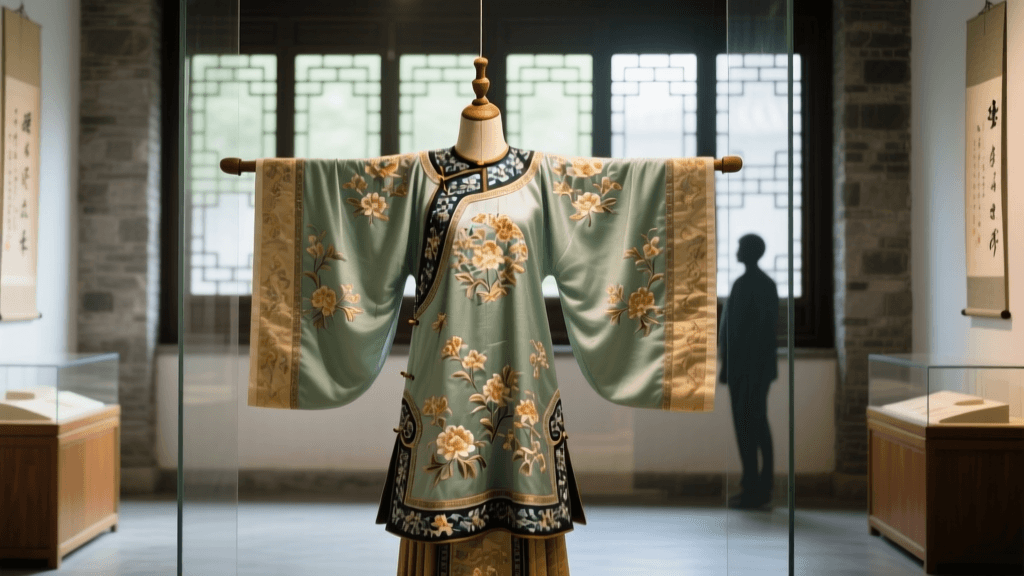
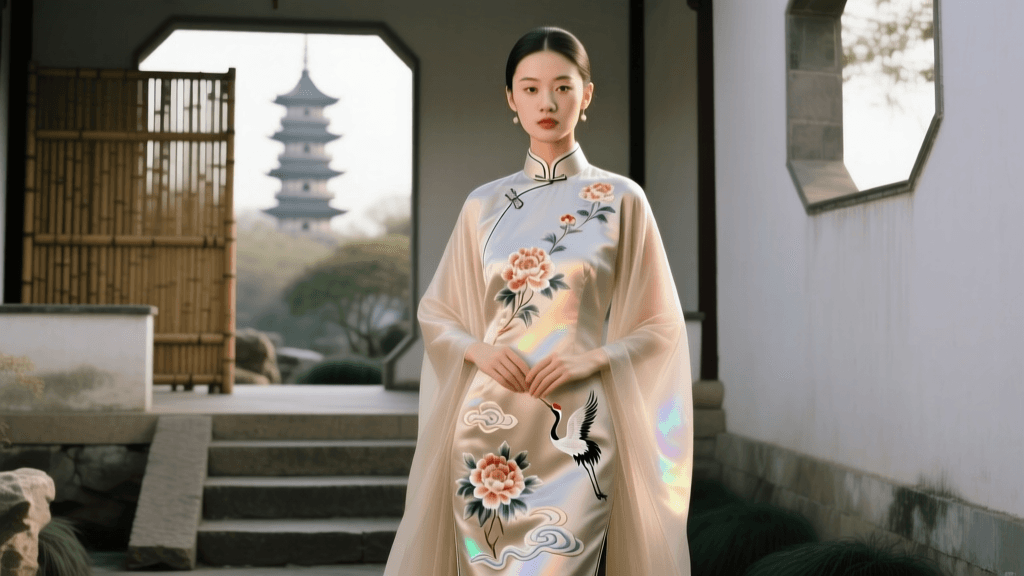
Suzhou embroidery, known locally as Su Xiu, is widely considered the pinnacle of Chinese textile arts. Originating in the Jiangsu province over 2,000 years ago, this meticulous craft has shaped the visual language of traditional Chinese clothing, from the flowing sleeves of Hanfu to the structured elegance of the modern Qipao (cheongsam). Characterized by its delicate patterns, refined color palettes, and hyper-realistic shading, Su Xiu transforms flat silk canvases into living, breathing artworks. The cultural significance of this craft is so profound that the broader practices of sericulture and silk craftsmanship in China were officially inscribed on the UNESCO Intangible Cultural Heritage list, cementing its status as a global treasure.
For enthusiasts of Asian traditions and collectors of heritage garments, understanding Su Xiu is essential. Whether you are commissioning a bespoke Mamianqun (horse-face skirt) or investing in a hand-embroidered silk Qipao, knowing the technical specifications, sourcing metrics, and care requirements will ensure you acquire a piece of true historical and artistic value.
The Four Great Embroideries of China
While Suzhou embroidery is the most famous internationally, it is part of a broader tapestry of regional styles. Understanding the differences helps buyers identify the origin and style of vintage and contemporary garments.
| Style | Origin | Key Characteristics | Common Motifs |
|---|---|---|---|
| Su Xiu | Suzhou, Jiangsu | Delicate, flat stitching, subtle shading, double-sided work | Koi fish, peonies, cats, plum blossoms |
| Xiang Xiu | Hunan | Vibrant colors, textured, gradient layering | Tigers, lions, dramatic landscapes |
| Yue Xiu | Guangdong | Gold and silver threads, 3D relief, high contrast | Dragons, phoenixes, lychees, bats |
| Shu Xiu | Sichuan | Soft satin base, practical, neat edges, rich colors | Pandas, bamboo, lotus, mythical beasts |
Technical Mastery: Threads, Stitches, and Silk Grades
The hallmark of authentic Su Xiu is the artisan's ability to manipulate silk thread at a microscopic level. A single strand of silk is composed of multiple filaments. Master artisans routinely split a single thread into 1/16, 1/32, or even 1/48 of its original thickness. This technique, known as pi si, allows for imperceptible color transitions and hyper-realistic textures, particularly when rendering the fur of a cat or the delicate petals of a peony.
When selecting a base fabric for an embroidered garment, the weight and grade of the silk are critical. Silk weight is measured in momme (mm). For a lightweight, breathable summer Qipao, a 19mm silk crepe de chine is ideal. For structured Hanfu jackets (Ao) or autumn wear, a 22mm to 25mm silk satin provides the necessary body to support heavy embroidery without puckering. For heavy ceremonial outerwear (Pifeng), a 30mm+ silk brocade is recommended. Always request 6A grade mulberry silk, which guarantees the longest, most uniform, and lustrous fibers, ensuring the garment drapes beautifully and resists tearing under the tension of dense stitching.
Motifs and Symbolism in Traditional Garments
In traditional Chinese fashion, embroidery is never purely decorative; it is a visual language conveying blessings, status, and philosophy. When commissioning a garment, consider the symbolism of the motifs:
- Peony (Mudan): Known as the "King of Flowers," it symbolizes wealth, honor, and prosperity. Often placed prominently on the chest or hem of a Qipao.
- Crane (He): Represents longevity and wisdom. Frequently embroidered on the back panels of Hanfu robes or the sleeves of elder's garments.
- Bat (Fu): A homophone for "good fortune." Five bats arranged in a circle represent the Five Blessings (longevity, wealth, health, virtue, and a natural death).
- Lotus (Lianhua): Symbolizes purity and spiritual enlightenment, rising untainted from muddy waters. Ideal for summer garments and scholarly attire.
Commissioning Custom Embroidered Hanfu and Qipao
Ordering a bespoke, hand-embroidered garment requires precise communication and patience. A master tailor and embroidery artisan will require a comprehensive 14-point measurement system for a Qipao, including neck circumference, bust, waist, hips, hollow-to-hem, shoulder width, bicep, and wrist. For Hanfu, additional measurements such as the tong xiu (full sleeve span from wrist to wrist) and yuan xiu (sleeve circumference) are vital to maintain historical accuracy.
According to textile historians and institutions like the Metropolitan Museum of Art, the integration of intricate silk embroidery into daily wear was historically reserved for the elite due to the immense labor involved. Today, while machine embroidery is accessible, true Su Xiu remains a luxury commission. Buyers should request a "strike-off" (a small sample swatch of the proposed embroidery) to approve the thread colors and stitch density before the artisan commits to the full garment.
Cost and Timeline Breakdown
The price of an embroidered garment scales exponentially with the level of human intervention and the complexity of the stitch. Below is a practical guide to market rates and production times for custom pieces.
| Embroidery Type | Technique | Estimated Cost (USD) | Production Time |
|---|---|---|---|
| Machine Embroidered | Computerized multi-needle | $150 - $400 | 1 - 2 Weeks |
| Hand-Guided Semi-Auto | Manual pantograph machine | $500 - $1,200 | 3 - 5 Weeks |
| Authentic Hand Su Xiu | Traditional flat & split stitch | $2,500 - $8,000+ | 3 - 6 Months |
| Masterpiece Double-Sided | Shuang Mian Xiu (No visible knots) | $10,000 - $25,000+ | 8 - 14 Months |
Note: Double-sided embroidery (Shuang Mian Xiu) is a specialized Su Xiu technique where the image is identical on both sides of the fabric, with all knots and thread ends hidden. This is typically used for folding screens and hand fans, but is occasionally applied to the detachable collars of high-end Hanfu.
Preservation and Care of Silk Embroidery
Silk is a protein fiber, making it highly susceptible to environmental damage, friction, and improper cleaning. As highlighted by cultural preservationists and publications like Smithsonian Magazine, maintaining the integrity of heritage textiles requires strict adherence to conservation principles.
Actionable Care Instructions:
- Cleaning: Never wash hand-embroidered silk at home. The tension of the embroidery threads can cause the base silk to pucker if exposed to water. Always seek a dry cleaner who specializes in heritage textiles and explicitly point out the hand-embroidered sections.
- Storage Environment: Store garments in a climate-controlled environment with a relative humidity (RH) of 45% to 55%. High humidity promotes mold, while low humidity makes the silk brittle.
- Packing: Never store embroidered silk in plastic bags, which trap moisture and emit off-gassing chemicals. Instead, wrap the garment in unbleached, acid-free cotton muslin or archival tissue paper. Stuff the sleeves and bodice with acid-free tissue to prevent hard creases that can snap the silk fibers over time.
- Avoid Cedar Directly: While cedar wood repels moths, the natural oils and acids in raw cedar can stain and degrade silk. If using a cedar chest, ensure the garment is separated from the wood by a heavy cotton barrier.
- Display: If framing a piece of Su Xiu, use UV-filtering museum glass and ensure the silk is not pulled taut, allowing the fabric to rest naturally to prevent stress on the historic stitches.
By understanding the profound history, technical nuances, and preservation needs of Suzhou embroidery, collectors and wearers can ensure that these magnificent examples of Asian textile traditions continue to dazzle for generations to come.