Japanese Resist Dyeing: A Guide to Shibori, Yuzen, and Kasuri
The Living Heritage of Japanese Resist Dyeing
Japanese textile arts represent some of the most sophisticated and historically rich dyeing techniques in the world. For centuries, artisans have manipulated fabric, thread, and dye to create garments that are not merely clothing, but wearable canvases. At the heart of this tradition are three primary resist-dyeing methods: Shibori, Yuzen, and Kasuri. Each technique requires a profound understanding of chemistry, tension, and timing. For textile collectors, fashion historians, and modern DIY enthusiasts, understanding the nuances of these methods is essential for authenticating vintage pieces and mastering the craft. According to the World Shibori Network, these techniques are not just historical artifacts but living traditions that continue to influence global fashion and sustainable textile practices today.
Shibori: The Art of Shaped Resist
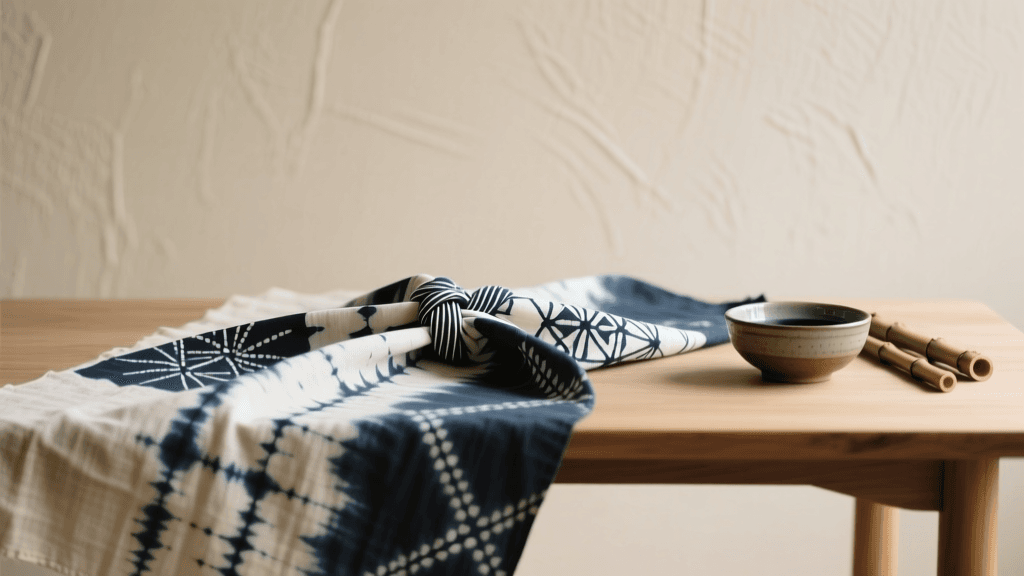
Shibori translates roughly to 'to wring, squeeze, or press.' Unlike other resist methods that rely on chemical barriers, Shibori uses physical manipulation—folding, binding, stitching, and clamping—to prevent dye from penetrating specific areas of the fabric. The result is characterized by soft, blurred edges and organic, three-dimensional textures. The most famous iteration of this craft is Arimatsu Shibori, which originated in the 17th century along the Tokaido road and remains a protected traditional craft.
Actionable Guide: Creating Itajime and Nui Shibori
For beginners looking to practice Shibori at home, Itajime (shape resist) and Nui (stitched resist) are the most accessible entry points. Here is a practical breakdown for a small-scale project:
- Materials Needed: 100% cotton or silk fabric (pre-washed and scoured), two 5x5 cm acrylic or wooden blocks, heavy-duty polyester buttonhole thread (for Nui), rubber bands, and a synthetic indigo vat (such as the Jacquard Indigo Tie Dye Kit, approx. $25 USD).
- Itajime Process: Fold the damp fabric into a tight accordion pleat, then fold it again into a triangle or square. Sandwich the folded bundle tightly between the wooden blocks and secure with rubber bands. The tighter the binding, the crisper the white resist lines.
- Nui Process: Draw a geometric pattern on the fabric. Use a running stitch with the heavy-duty thread, pulling it as tight as physically possible before tying off. Cotton thread will snap under the required tension; polyester is mandatory.
- Dyeing and Timing: Submerge the bound fabric in the indigo vat for 3 to 5 minutes. Remove and allow it to oxidize in the air for 15 minutes until it turns from yellow-green to deep blue. Repeat this dip-oxidize cycle 4 to 6 times for a medium depth of color. Rinse in cold water until the water runs clear, then unbind and dry flat.
Yuzen: Paste-Resist Painting on Silk
While Shibori relies on physical tension, Yuzen relies on a chemical barrier. Developed in the late 17th century by Miyazaki Yuzensai, this technique uses a rice-bran paste (nori) applied to silk to outline designs, preventing the vibrant dyes from bleeding into one another. Yuzen allows for pictorial, highly detailed motifs that look as though they were painted directly onto the fabric. The Victoria and Albert Museum highlights Yuzen as a pivotal innovation that allowed the merchant class to wear lavish, pictorial kimono despite the strict sumptuary laws of the Edo period.
Identifying Kaga vs. Kyo Yuzen for Collectors
When sourcing vintage kimono, distinguishing between the two major regional styles of Yuzen is crucial for accurate valuation and authentication:
- Kyo Yuzen (Kyoto): Known for stylized, classical motifs such as fans, carriages, and abstract florals. Kyo Yuzen frequently incorporates metallic accents, gold leaf (surihaku), and embroidery. The color palette is broad and often includes bright, synthetic hues in modern pieces.
- Kaga Yuzen (Kanazawa): Characterized by hyper-realistic nature motifs, such as leaves with insect bites or wilting petals. Kaga Yuzen strictly adheres to a five-color palette known as 'Kaga Gosai' (indigo, ochre, green, purple, and maroon). It rarely uses gold leaf or embroidery, relying entirely on the dye work and subtle shading (bokashi).
In Japanese dyeing, the resist is not merely a barrier; it is a collaborator that allows the dye to breathe and flow, creating a dialogue between human intention and natural chemistry.
Kasuri: The Woven Resist Technique
Known globally as ikat, Kasuri is a resist-dyeing technique applied to the threads before they are woven. Bundles of cotton or silk yarn are tightly bound with string or plastic tape in specific patterns, then dyed (traditionally in fermented indigo, or 'sukumo'). When the bindings are removed and the threads are woven on a loom, the pre-dyed patterns align to create geometric or pictorial motifs. Because perfect alignment on a loom is nearly impossible, Kasuri is famous for its signature 'kasuri-aji'—a soft, blurred, or scratchy edge that gives the textile its rustic charm.
Sourcing and Upcycling Kurume Kasuri
Kurume Kasuri, originating in Fukuoka Prefecture, is one of Japan's most famous cotton textiles, recognized by the UNESCO Intangible Cultural Heritage lists for its complex traditional weaving techniques. For modern sewists and upcyclers, vintage Kurume Kasuri is an incredible resource. It is typically sold in 'tan' (a traditional bolt measuring about 12 meters long and 38 cm wide). When sourcing Kasuri for upcycling into modern streetwear, tote bags, or home decor, look for 'E-gasuri' (picture kasuri), which features woven motifs like cranes, turtles, or geometric hemp leaves. Expect to pay between $40 and $90 USD for a well-preserved vintage cotton tan. Because Kasuri is woven with dyed threads, the pattern is identical on both the front and back of the fabric, making it ideal for unlined garments and reversible accessories.
Comparison Chart: Shibori vs. Yuzen vs. Kasuri
To help collectors and textile students quickly identify these techniques, refer to the structured comparison below:
| Technique | Resist Method | Primary Fabric | Visual Hallmark | Avg. Vintage Cost (per yard) |
|---|---|---|---|---|
| Shibori | Physical (bind, fold, stitch) | Silk, Cotton, Hemp | Soft, blurred edges; 3D texture | $20 - $60 |
| Yuzen | Chemical (rice-bran paste) | Silk (primarily) | Crisp white outlines; rich, painted colors | $80 - $250+ |
| Kasuri | Thread (pre-dyed warp/weft) | Cotton, Silk | Geometric motifs; scratchy, blurred woven edges | $30 - $90 |
Essential Tools and Materials for Beginners
If you are transitioning from a collector to a practitioner, building a proper toolkit is essential. Avoid cheap, generic craft supplies, as traditional Japanese dyeing requires specific chemical interactions.
- Synthetic Nori Paste: For practicing Yuzen-style resist, traditional rice bran paste is difficult to make and spoils quickly. Use a synthetic equivalent like 'Tsutsugaki Nori' available from specialized textile suppliers. It flows smoothly through a metal-tipped cone and washes out easily in warm water.
- Procion MX Fiber Reactive Dyes: For Shibori on cellulose fibers (cotton, linen, hemp), Procion MX dyes are the industry standard. They require soda ash as a fixative and yield incredibly colorfast results compared to all-purpose dyes.
- Harinuki Needles: For Nui Shibori, you need needles that can pierce tightly woven silk without snagging. Japanese 'Harinuki' or fine embroidery needles with a sharp point and a small eye are highly recommended.
Caring for Your Dyed Textiles
Proper archival care ensures these textiles survive for future generations. Yuzen silk kimono should never be washed at home; the water-soluble sizing and delicate dyes require professional dry cleaning by specialists familiar with Japanese garments. Store silk flat in acid-free tissue paper, away from direct sunlight, which will rapidly fade natural indigo and Yuzen dyes. Kasuri cotton is more forgiving and can be gently hand-washed in cool water with a pH-neutral detergent, but it should always be air-dried to prevent shrinkage and distortion of the woven motifs. By understanding the chemistry and history behind Shibori, Yuzen, and Kasuri, we not only preserve a vital piece of Asian cultural heritage but also keep the profound artistry of the dyer's hand alive in the modern world.