Guide to Japanese Wedding Kimono: Shiromuku & Iro-Uchikake
The tradition of the Japanese wedding kimono is a masterclass in textile artistry, cultural symbolism, and meticulous craftsmanship. For brides choosing a traditional Shinto ceremony or a culturally rooted reception, the bridal kimono is not merely a garment; it is a profound statement of heritage, purity, and new beginnings. According to the Victoria and Albert Museum, the kimono has evolved over centuries from everyday wear to a highly codified ceremonial garment, with wedding attire representing the pinnacle of Japanese textile arts. This comprehensive guide explores the two primary garments of the Japanese bridal trousseau—the Shiromuku and the Iro-Uchikake—providing actionable advice on costs, timelines, and the intricate art of kitsuke (kimono dressing).
The Shiromuku: The Pinnacle of Purity
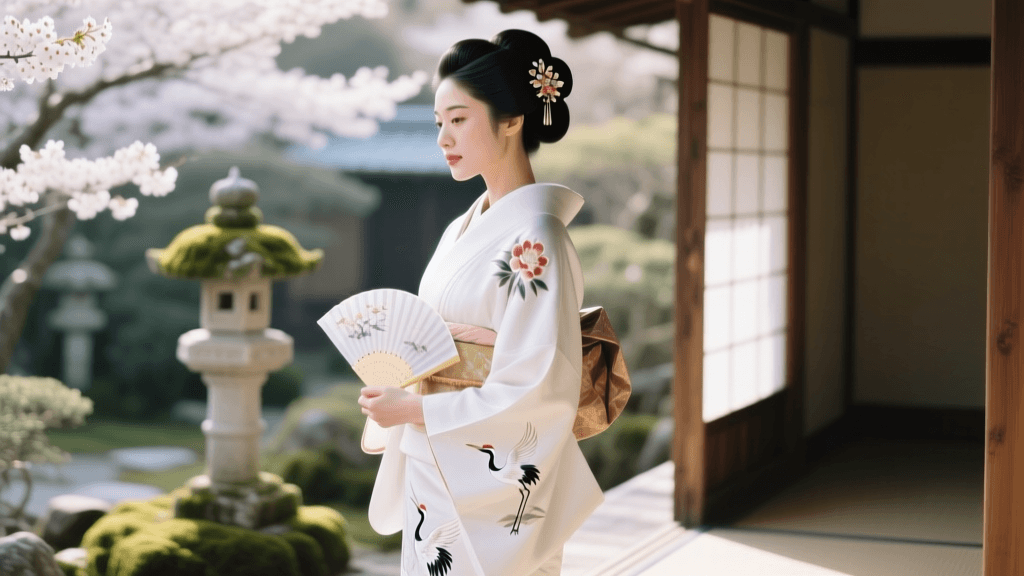
The Shiromuku is the most formal wedding kimono, worn exclusively during the Shinto wedding ceremony. Translating to 'pure white,' this garment is entirely white, from the outer silk layers to the inner linings, obi sash, and accessories. Historically, white in Japanese culture symbolizes purity, maidenhood, and a willingness to be 'dyed' in the colors of the groom's family. Ceremonies held at historic shrines, such as the renowned Meiji Jingu in Tokyo, frequently feature brides in Shiromuku, highlighting the garment's sacred connection to Shinto rituals.
Despite its monochromatic appearance, the Shiromuku is a marvel of subtle luxury. The white silk crepe (chirimen) or satin (shusu) is often woven with intricate, tone-on-tone auspicious motifs. Cranes (tsuru) represent longevity and fidelity, while pine, bamboo, and plum (shochikubai) symbolize resilience and prosperity. The hidden luxury extends to the inner lining; many modern brides opt for a Shiromuku with a vibrant red or gold inner collar (eri) and hem lining, a secret splash of color that brings good luck and protects against evil spirits.
The Iro-Uchikake: Vibrant Elegance for the Reception
Following the solemn Shinto ceremony, the bride typically changes into an Iro-Uchikake for the wedding reception (hiroen). The Uchikake is a heavily padded, unbelted outer robe worn over a base kimono (kakeshita). While historical Uchikake were worn by samurai-class women as formal outerwear, today they serve as the breathtaking centerpiece of the bridal reception.
Unlike the Shiromuku, the Iro-Uchikake bursts with color and elaborate embroidery, gold leaf (surihaku), and tie-dye (shibori) techniques. Red is the most traditional and popular color, symbolizing joy, vitality, and protection. However, modern brides increasingly choose black for striking sophistication, or pastels like lavender and peach for a softer aesthetic. The hem of the Uchikake is thickly padded with cotton (fukinuki), allowing the heavy silk to trail elegantly on the floor, creating a regal silhouette that commands attention as the bride walks through the reception hall.
Anatomy of the Bridal Trousseau: Essential Components
Wearing a Japanese wedding kimono requires a complex layering system. Understanding these components is crucial for brides navigating rental packages or custom commissions.
- Hadajuban and Susoyoke: The foundational cotton undergarments that protect the silk from sweat and oils.
- Naga-Juban: A long under-kimono, usually made of silk or synthetic crepe, featuring a decorative collar (han-eri).
- Kakeshita: The primary kimono layer worn beneath the Uchikake. It features its own intricate patterns and a trailing hem.
- Uchikake: The heavy, padded outer robe that is left open at the front to reveal the Kakeshita and obi.
- Maru-Obi or Fukuro-Obi: The wide, stiff brocade sash. A bridal obi is typically 30 cm wide and over 4.5 meters long, tied in an elaborate, oversized bow (like the bunko or fukura-suzume) at the back.
- Obijime and Obiage: The decorative braided cord and silk cloth used to secure and accentuate the obi.
- Hakoseko: A small, ornate silk pouch worn tucked into the front of the obi, historically used to carry a mirror or incense.
- Kaiken: A traditional short dagger carried in the obi, a historical relic symbolizing the bride's ability to protect herself and her honor.
- Sensu: A gold or silver folding fan held in the hand or tucked into the obi, symbolizing a widening, prosperous future.
Renting vs. Buying: Costs and Timelines
The decision to rent or purchase a wedding kimono significantly impacts both the wedding budget and the planning timeline. According to data from the Japan National Tourism Organization and domestic bridal industry reports, the vast majority of Japanese brides (over 80%) opt to rent their ceremonial attire due to the high costs and storage requirements of silk garments.
| Feature | Rental Package | Custom Purchase |
|---|---|---|
| Average Cost (Shiromuku + Iro-Uchikake) | ¥300,000 - ¥600,000 ($2,000 - $4,000 USD) | ¥1,500,000 - ¥3,500,000+ ($10,000 - $23,000+ USD) |
| What is Included? | Garments, accessories, dressing (kitsuke), hair styling, and sometimes photography. | Garments only. Accessories, dressing, and styling are billed separately. |
| Lead Time Required | 4 to 8 months prior to the wedding date. | 12 to 18 months for weaving, dyeing, and tailoring. |
| Pros | Cost-effective, zero maintenance, access to high-end antique or designer silks. | Heirloom quality, perfect bespoke fit, complete creative control over motifs. |
| Cons | Limited sizing adjustments, must return immediately after the event. | Exorbitant cost, requires specialized climate-controlled storage. |
Actionable Advice for Rental Bookings
If you choose to rent, secure your package at least six months in advance, especially if your wedding falls during the peak bridal seasons of May-June or October-November. When visiting a bridal salon, ask to see the 'kakeshita' (base kimono) alongside the Uchikake. Many salons charge an upgrade fee (typically ¥30,000 to ¥50,000) if you wish to swap the standard synthetic kakeshita for a premium silk crepe version, which drastically improves breathability and drape.
The Kitsuke Process: Wedding Day Timeline
The art of kimono dressing, or kitsuke, is a rigorous physical process. A bridal kimono can weigh between 10 to 15 kilograms (22 to 33 lbs), and the tightly bound obi restricts deep breathing and bending.
Sample Wedding Day Dressing Schedule
- 08:00 AM - Arrival & Prep: Arrive at the salon or hotel room. The kitsuke-shi (dresser) will begin with skin prep and the foundational cotton padding (towels and sponges are tied around the waist and hips to create a cylindrical, traditional silhouette).
- 08:30 AM - Layering: The hadajuban, susoyoke, and naga-juban are secured. The dresser meticulously aligns the back seam (senaka) perfectly down the spine.
- 09:00 AM - The Kakeshita & Obi: The base kimono is wrapped, and the heavy maru-obi is tied. This requires the bride to stand perfectly still while the dresser pulls the silk taut.
- 09:45 AM - The Uchikake & Accessories: The outer robe is draped and pinned securely at the shoulders and waist so it does not slip. The hakoseko, sensu, and kaiken are placed.
- 10:15 AM - Hair & Makeup: The bride transitions to the stylist. For a Shiromuku, the hair is usually styled in a traditional high bun (bunkin-takashimada) or a modern updo adorned with kanzashi (tortoiseshell or floral hairpins).
- 11:30 AM - Headpiece & Final Touches: The wataboshi (white silk hood) or tsunokakushi (white cloth band) is carefully placed over the hair. The wataboshi acts as a veil, while the tsunokakushi symbolizes the bride's resolve to banish her 'horns' of jealousy and ego.
Practical Tips for the Modern Bride
Navigating a wedding day in full ceremonial regalia requires strategic planning. First, footwear is paramount. Brides wear zori (flat sandals) with white tabi (split-toe socks). Because the Uchikake trails on the floor, brides must practice the 'suri-ashi' (sliding step) to avoid stepping on the heavy hem and tripping.
Second, manage your physical comfort. Because the obi is tied tightly just below the ribcage, eating a full meal is nearly impossible. Brides should consume high-calorie, easily digestible liquids or energy gels through a straw before dressing. Furthermore, use the restroom before the kitsuke process begins; navigating a restroom in a bridal kimono requires the assistance of two dressers and a specialized kimono skirt to hold up the layers.
Finally, consider the climate. If marrying in the humid Japanese summer, request a 'ro' (woven gauze) or lightweight summer silk kakeshita, and ensure the dressing room is heavily air-conditioned to prevent sweat stains on the rented silk. For winter weddings, specialized thermal undergarments (heat-tech juban) and adhesive body warmers (kairo) placed on the lower back and abdomen are essential for surviving outdoor shrine photography.
By understanding the profound history, intricate anatomy, and practical demands of the Shiromuku and Iro-Uchikake, brides can fully embrace the majesty of Japanese ceremonial wear, ensuring a wedding day that is as culturally resonant as it is visually spectacular.