Authentic Mayan Huipiles 2026: Backstrap Loom Buying Guide
The Enduring Legacy of the Mayan Huipil
The huipil (pronounced wee-peel) is far more than a traditional garment; it is a wearable manuscript that records the history, cosmology, and identity of the Maya people. Worn across the highlands of Guatemala and parts of Mexico, this intricate tunic has survived centuries of colonization, modernization, and cultural assimilation. As we navigate the global textile market in 2026, the huipil stands at a critical intersection of cultural preservation and international fashion. Recent legislative pushes in Latin America throughout 2025 and 2026 have strengthened indigenous intellectual property rights, empowering Mayan weavers to protect their ancestral patterns from fast-fashion appropriation. For collectors, cultural enthusiasts, and ethical fashion consumers, understanding how to identify, value, and ethically source an authentic handwoven huipil is more important than ever.
The Anatomy of the Backstrap Loom Technique
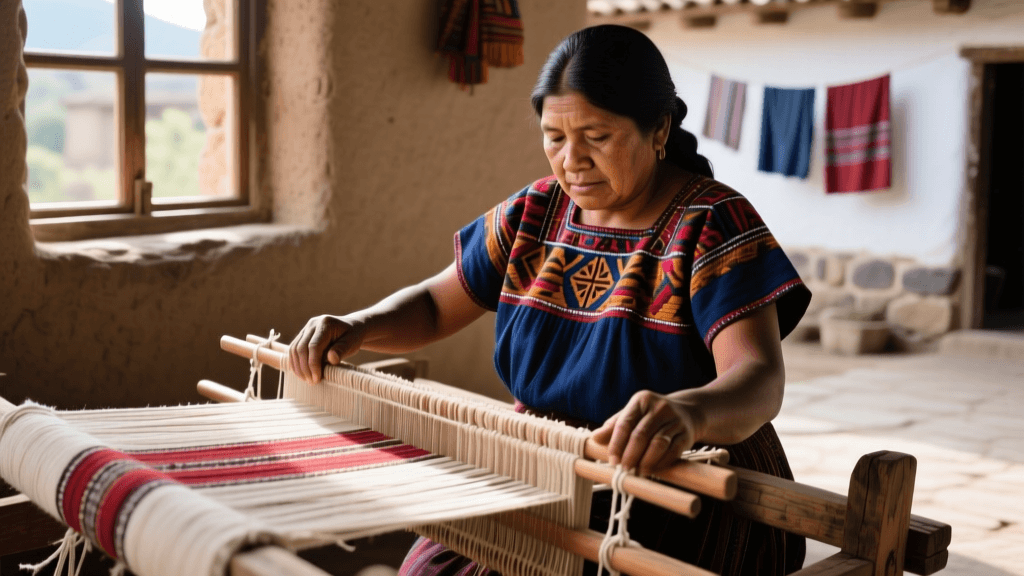
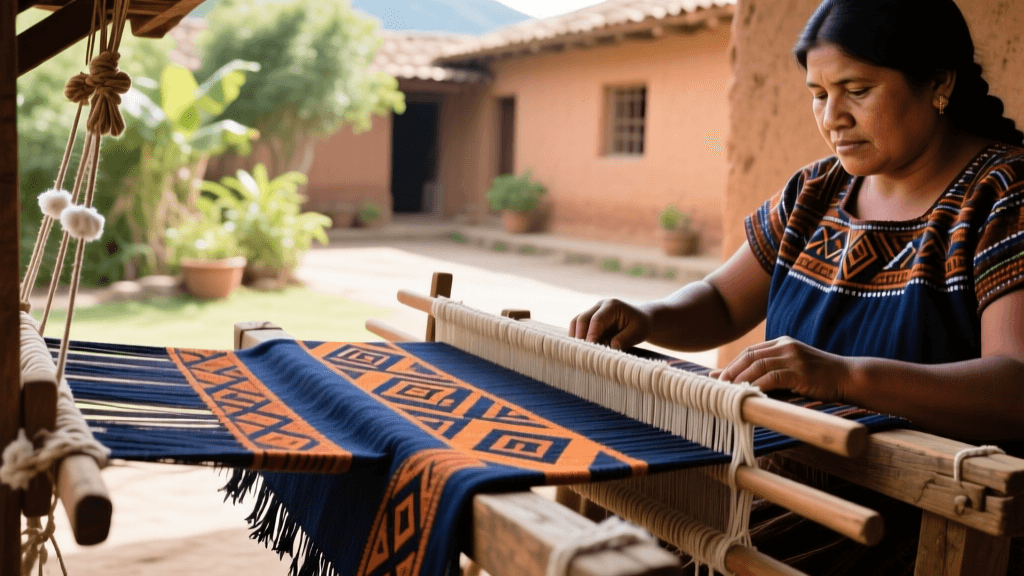
Authentic ceremonial and high-quality daily huipiles are woven on a telar de cintura, or backstrap loom. This pre-Columbian technology is deceptively simple yet capable of producing textiles of staggering complexity. The loom consists of two parallel sticks; one is tied to a fixed object like a tree or post, while the other is attached to a strap that wraps around the weaver's lower back. By leaning forward or backward, the weaver controls the tension of the warp threads with her own body weight.
This intimate connection between the artisan and the textile means that no two handwoven pieces are exactly alike. The slight variations in tension, the subtle irregularities in hand-spun cotton, and the complex supplementary weft patterns (brocade) are the hallmarks of a genuine backstrap loom textile. In 2026, while treadle looms introduced by the Spanish are widely used for producing yardage like the corte (skirt), the backstrap loom remains the undisputed domain of the huipil, preserving a sacred lineage of female knowledge passed from mother to daughter.
Regional Styles: A Tapestry of Identity
Historically, a Maya woman's specific village could be identified entirely by the colors, motifs, and weaving techniques of her huipil. While modern mobility has blended some of these boundaries, distinct regional styles remain fiercely protected and highly sought after by collectors in 2026.
Chichicastenango
Known for its heavy, intricate brocade work, huipiles from Chichicastenango often feature the double-headed eagle (representing the duality of the cosmos) and vibrant sun motifs. The red and yellow geometric patterns are densely packed, making the garment heavy and highly structured.
San Juan La Laguna
This lakeside village is globally renowned for its mastery of natural dyes and the jaspe (ikat) technique. Weavers here tie and dye the warp threads before weaving, creating beautiful, blurred geometric patterns. In 2026, San Juan La Laguna remains the epicenter of the natural dye revival, utilizing local flora to produce stunning earth tones.
Nebaj
Huipiles from the Ixil region of Nebaj are famous for their delicate, almost lace-like appearance and intricate geometric patterns that often depict stylized birds, horses, and human figures. The base fabric is typically white or lightly striped, allowing the vibrant red and black brocade motifs to stand out dramatically.
The 2026 Natural Dye Revival
The early 20th century saw the introduction of synthetic aniline dyes, which offered brighter colors but often faded quickly and lacked the depth of traditional colorants. Today, in 2026, there is a massive resurgence in natural dyeing techniques. Artisans are returning to cochinilla (cochineal, an insect that lives on nopal cacti) to produce brilliant reds and purples, añil (indigo) for deep blues, and sacatinta for rich blacks. Purchasing a huipil dyed with these natural elements not only ensures a more environmentally sustainable garment but also supports the agricultural ecosystems that sustain these ancient dye sources.
2026 Pricing Guide: What to Expect to Pay
The market for Guatemalan textiles varies wildly, and understanding the pricing structure is crucial to ensuring you are paying a fair wage for authentic craftsmanship. The table below outlines the 2026 market rates for different tiers of huipiles.
| Textile Tier | Material & Dye | Technique | 2026 Price Range (USD) | Time to Weave |
|---|---|---|---|---|
| Commercial / Souvenir | Synthetic blends, chemical dyes | Machine woven, machine embroidery | $25 - $60 | Hours |
| Semi-Traditional Daily | Commercial cotton, acrylic yarn | Treadle loom base, hand brocade | $80 - $180 | 1 - 3 Weeks |
| Authentic Handwoven | High-grade cotton, some natural dyes | 100% Backstrap loom, hand-brocade | $200 - $450 | 1 - 3 Months |
| Ceremonial / Collector | Hand-spun cotton, pure natural dyes | Backstrap loom, complex ancestral motifs | $500 - $1,200+ | 3 - 6 Months |
Note: If a vendor is selling a 'handwoven backstrap loom' huipil for under $80 in 2026, it is highly likely that the artisan was not paid a living wage, or the garment is partially machine-made.
How to Authenticate a Genuine Handwoven Huipil
When shopping for traditional Latin American garments, distinguishing between genuine indigenous artistry and mass-produced imitations requires a trained eye. Use this checklist when examining a huipil:
- Examine the Reverse Side: True brocade (brocado) is woven directly into the fabric on the loom. The pattern should be nearly as vibrant and clean on the inside as it is on the outside. If the inside shows messy threads, knots, or a stark white background, the design was likely embroidered on after the fact by machine.
- Check the Selvedge Edges: Backstrap loom textiles are woven to their exact final width. The side edges (selvedges) should be perfectly finished and continuous, without any cut seams or hemming. If the side seams are cut and stitched, the fabric was cut from a larger bolt of machine-woven yardage.
- Look for Tension Variations: Because the weaver's body controls the tension, you will often find microscopic variations in the tightness of the weave. Hold the fabric up to the light; slight irregularities are a badge of human authenticity.
- Feel the Weight and Drape: Handwoven cotton has a distinct, substantial drape. It feels dense and slightly textured compared to the slick, uniform feel of commercial poly-blends.
Ethical Sourcing: Top Cooperatives to Support in 2026
The most ethical way to purchase a huipil is directly from the weavers or through verified fair-trade cooperatives that ensure profits are reinvested into indigenous communities, funding education, healthcare, and cultural preservation.
Trama Textiles
Operating out of the Western Highlands, Trama Textiles is a cooperative comprising over 400 Maya women weavers. They are renowned for their strict adherence to fair-trade principles and their dedication to preserving natural dyeing techniques. Purchasing through Trama ensures that the weavers receive direct, equitable compensation for their labor, bypassing the middlemen who historically exploited indigenous artisans.
Mayan Hands
For decades, Mayan Hands has partnered with women weavers across Guatemala, providing them with a stable international market while respecting their cultural autonomy. They offer an incredible selection of authentic huipiles, along with detailed documentation regarding the specific village, weaver, and symbolic meaning behind the motifs of each piece.
International Folk Art Market
For collectors seeking museum-quality, ceremonial garments, the International Folk Art Market is an authoritative resource. They vet their artisans rigorously, ensuring that every textile sold through their network meets the highest standards of cultural authenticity and ethical trade. Their 2026 catalog features several master weavers from the Huehuetenango region whose work is considered fine art.
Caring for Your Handwoven Garment
An authentic huipil is an investment in wearable art. To ensure your garment lasts for generations, proper care is essential. Never machine wash or dry clean a handwoven, naturally dyed huipil. The harsh chemicals in dry cleaning can strip natural indigo and cochineal dyes, while machine agitation can warp the delicate tension of the backstrap loom weave.
Instead, hand wash the garment gently in cold water using a pH-neutral, mild detergent specifically formulated for delicate natural fibers. Do not wring or twist the fabric; gently press the water out and lay the huipil flat on a clean towel in the shade to dry. Direct sunlight will rapidly fade natural dyes. When storing, fold the garment with acid-free tissue paper to prevent deep creases from breaking the cotton fibers over time, and keep it in a cool, dry environment away from direct light.
Conclusion
Purchasing an authentic Mayan huipil in 2026 is an act of cultural appreciation and economic empowerment. By understanding the mechanics of the backstrap loom, recognizing the value of natural dyes, and committing to fair-trade sourcing, collectors and fashion enthusiasts can help ensure that this profound indigenous textile tradition continues to thrive for centuries to come.