NYC & LA Garment Districts 2026: Ultimate Sourcing Guide
The 2026 Landscape of American Fashion Manufacturing
As we navigate the fashion industry in 2026, the American garment district landscape has undergone a radical transformation. Driven by stringent new state-level sustainability mandates, the widespread adoption of Digital Product Passports (DPPs), and a consumer demand for hyper-local, ethically produced clothing, the historic fashion hubs of New York City and Los Angeles have evolved from traditional cut-and-sew centers into high-tech, eco-conscious innovation zones. For designers, buyers, and cultural historians, understanding the distinct personalities and capabilities of these two coastal powerhouses is essential.
At The Garment Atlas, we recognize that American fashion is deeply intertwined with the diverse cultural tapestry of the Americas. Today's garment districts are not just hubs for contemporary streetwear or luxury suiting; they are vital intersection points where modern manufacturing meets traditional Indigenous and Latin American textile arts. This comprehensive 2026 guide breaks down everything you need to know about sourcing, manufacturing, and collaborating within the NYC and LA fashion districts.
New York City Garment District: Heritage Meets High-Tech
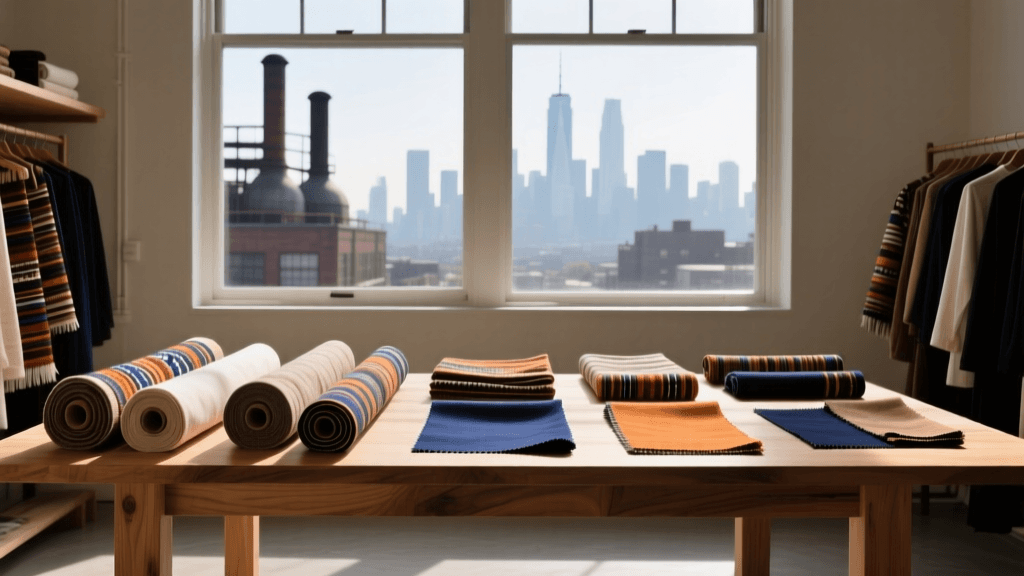
Located primarily between 34th and 42nd Streets in Manhattan, the NYC Garment District has historically been the beating heart of American luxury and ready-to-wear. In 2026, the district's survival and resurgence are largely credited to aggressive preservation zoning and a pivot toward micro-manufacturing. According to the preservation advocates at Save the Garment Center, the neighborhood now houses a dense concentration of small-batch sample rooms, high-end pattern makers, and sustainable textile showrooms.
Specialties and Capabilities
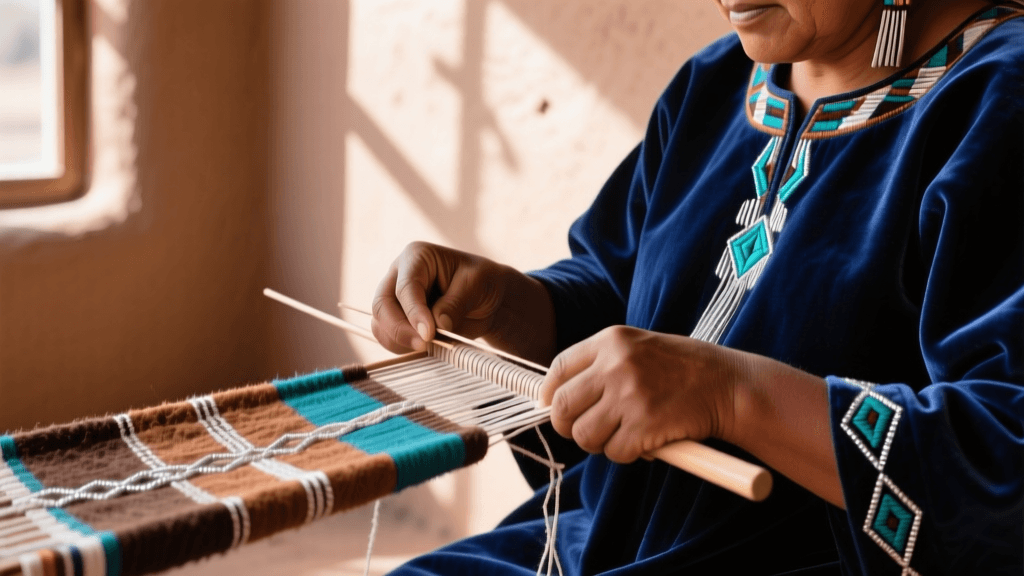
NYC remains the undisputed capital of luxury outerwear, tailored suiting, and complex eveningwear. However, the most significant shift in 2026 is the integration of zero-waste technology. Showrooms along 38th Street now routinely feature 3D knitting machines (such as the latest Shima Seiki models) that allow designers to program bespoke, seamless garments using ethically sourced yarns. Furthermore, NYC is the primary hub for designers looking to integrate high-end, traditional North American Indigenous textiles—such as hand-spun Navajo (Diné) wool and Pacific Northwest cedar-bark woven accents—into luxury contemporary collections.
The Showroom Experience
Walk-in sourcing is virtually extinct in Manhattan. In 2026, NYC showrooms operate strictly by appointment, utilizing augmented reality (AR) mirrors to drape digital fabrics before a single physical swatch is cut. Designers must come prepared with their brand's sustainability credentials, as many premier European and domestic eco-mills exclusively partner with verified sustainable labels.
Los Angeles Fashion District: Speed, Denim, and Artisan Collaborations
Spanning over 100 blocks south of downtown Los Angeles, the LA Fashion District is a sprawling, vibrant ecosystem that thrives on speed, streetwear, and denim. Anchored by the California Market Center (CMC) and the bustling textile alleys around Maple Avenue, LA is the global capital of casual wear and activewear. The official LA Fashion District directory highlights over 4,000 wholesale and retail vendors, making it a labyrinth of opportunity for agile brands.
Specialties and Capabilities
Los Angeles dominates the denim, cut-and-sew jersey, and streetwear markets. In 2026, California's aggressive environmental regulations have forced LA's denim laundries to become global leaders in waterless dyeing, ozone finishing, and laser-distressing techniques. If your brand focuses on sustainable denim or high-quality heavyweight cotton fleece, LA's vertical manufacturing facilities offer unparalleled turnaround times.
Latin American and Indigenous Integration
What truly sets LA apart in 2026 is its deep, structural integration with Latin American and Indigenous artisan cooperatives. Due to its geographic and cultural proximity to Mexico and Central America, many LA-based brands have established direct-trade satellite showrooms in the district. Here, buyers can source authentic Oaxacan Zapotec embroidery, Guatemalan backstrap-loomed huipil textiles, and naturally dyed Andean alpaca wools. Unlike the fast-fashion import models of the past, the 2026 LA district emphasizes 'Artisan Equity Partnerships,' ensuring that Indigenous cooperatives retain intellectual property rights and receive equitable profit-sharing for their traditional motifs.
NYC vs. LA: 2026 Sourcing Comparison Matrix
Choosing between the East and West Coast hubs depends entirely on your brand's category, volume, and ethical sourcing requirements. Below is a structured comparison of the two districts as they operate in 2026.
| Feature | NYC Garment District | LA Fashion District |
|---|---|---|
| Primary Specialties | Luxury suiting, eveningwear, complex outerwear, high-tech knitwear. | Denim, streetwear, activewear, cut-and-sew jersey, contemporary casual. |
| Average MOQs (2026) | Low to Medium (50 - 300 units per style for micro-factories). | Medium to High (300 - 1,000+ units, though rapid-sample MOQs are flexible). |
| Lead Times | 6 - 10 weeks (Focus on meticulous construction and hand-finishing). | 3 - 6 weeks (Highly optimized for speed-to-market and rapid replenishment). |
| Sustainability Focus | Zero-waste 3D knitting, upcycled luxury deadstock, digital sampling. | Waterless denim finishing, circular fleece recycling, solar-powered cut-and-sew. |
| Cultural Textile Hubs | North American Indigenous wool weavers, Haudenosaunee beadwork integrations. | Mesoamerican embroidery cooperatives, Andean alpaca direct-trade showrooms. |
Ethical Sourcing: Honoring Indigenous and Traditional Textiles
A critical evolution in the 2026 American fashion landscape is the industry-wide reckoning with cultural appropriation. Both the NYC and LA garment districts have adopted strict protocols, heavily guided by the American Apparel & Footwear Association (AAFA), to protect the intellectual property of Indigenous and traditional communities across the Americas.
The 'Certified Origin' Standard
When sourcing traditional garments or textiles—such as Mexican Sarape blankets, Native American ribbon shirts, or Andean ponchos—designers in the garment districts now rely on blockchain-verified Digital Product Passports. These DPPs trace the garment back to the specific artisan cooperative, detailing the traditional techniques used (e.g., natural indigo fermentation, cochineal dyeing) and proving that the community was compensated fairly. In 2026, attempting to mass-replicate sacred Indigenous patterns without a formalized, compensated partnership will not only result in severe public backlash but can also trigger legal penalties under newly enacted cultural heritage protection laws.
Collaborative Showrooms
In LA's CMC, dedicated 'Heritage Hubs' host rotating residencies for Indigenous artisans from across the Americas. Designers can meet directly with master weavers from the Navajo Nation or Maya textile collectives to co-develop contemporary silhouettes that respect traditional construction methods. In NYC, luxury incubators frequently pair emerging designers with Indigenous elders to ensure that the integration of traditional materials, like porcupine quillwork or sweetgrass braiding, is done with cultural consent and historical accuracy.
Actionable Sourcing Strategy for 2026
Whether you are launching a luxury bespoke line in Manhattan or a sustainable streetwear brand in Los Angeles, navigating the garment districts requires meticulous preparation. Follow this step-by-step strategy to maximize your sourcing trips this year.
- Audit Your Digital Readiness: Before stepping foot in a showroom, ensure your brand is registered for the 2026 DPP compliance network. Showrooms will require your brand's digital ID to share proprietary fabric data and mill certifications.
- Book Micro-Factory Tours Early: The best small-batch manufacturers in NYC and LA are booked out 8 to 12 months in advance. Utilize industry matchmaking platforms to secure factory walkthroughs, focusing on their waste-management and labor-equity certifications.
- Request 'Living' Swatch Books: In 2026, physical swatch books are often embedded with NFC chips. Tapping your phone to a fabric swatch will instantly pull up the textile's lifecycle analysis, water usage metrics, and artisan origin story.
- Negotiate Artisan Equity Contracts: If you are sourcing Latin American or Indigenous textiles, do not use standard vendor agreements. Work with legal experts specializing in cultural IP to draft equity-sharing contracts that guarantee royalties to the originating community.
- Leverage Local Sustainability Grants: Both New York and California offer robust 2026 grant programs for brands that manufacture locally using eco-friendly processes. Ask your district representatives about tax incentives for utilizing waterless dye houses or zero-waste cutting rooms.
Conclusion
The NYC and LA garment districts in 2026 are far more than mere production centers; they are the guardians of American fashion's future and the respectful stewards of its diverse cultural past. By understanding the distinct advantages of each hub—from Manhattan's high-tech luxury micro-factories to Los Angeles' rapid-turnaround denim laundries and Indigenous artisan partnerships—designers can build supply chains that are not only efficient and profitable but deeply ethical. As the industry continues to prioritize transparency and cultural respect, the brands that thrive will be those that view the garment district not just as a place to buy fabric, but as a community to collaborate with, learn from, and uplift.